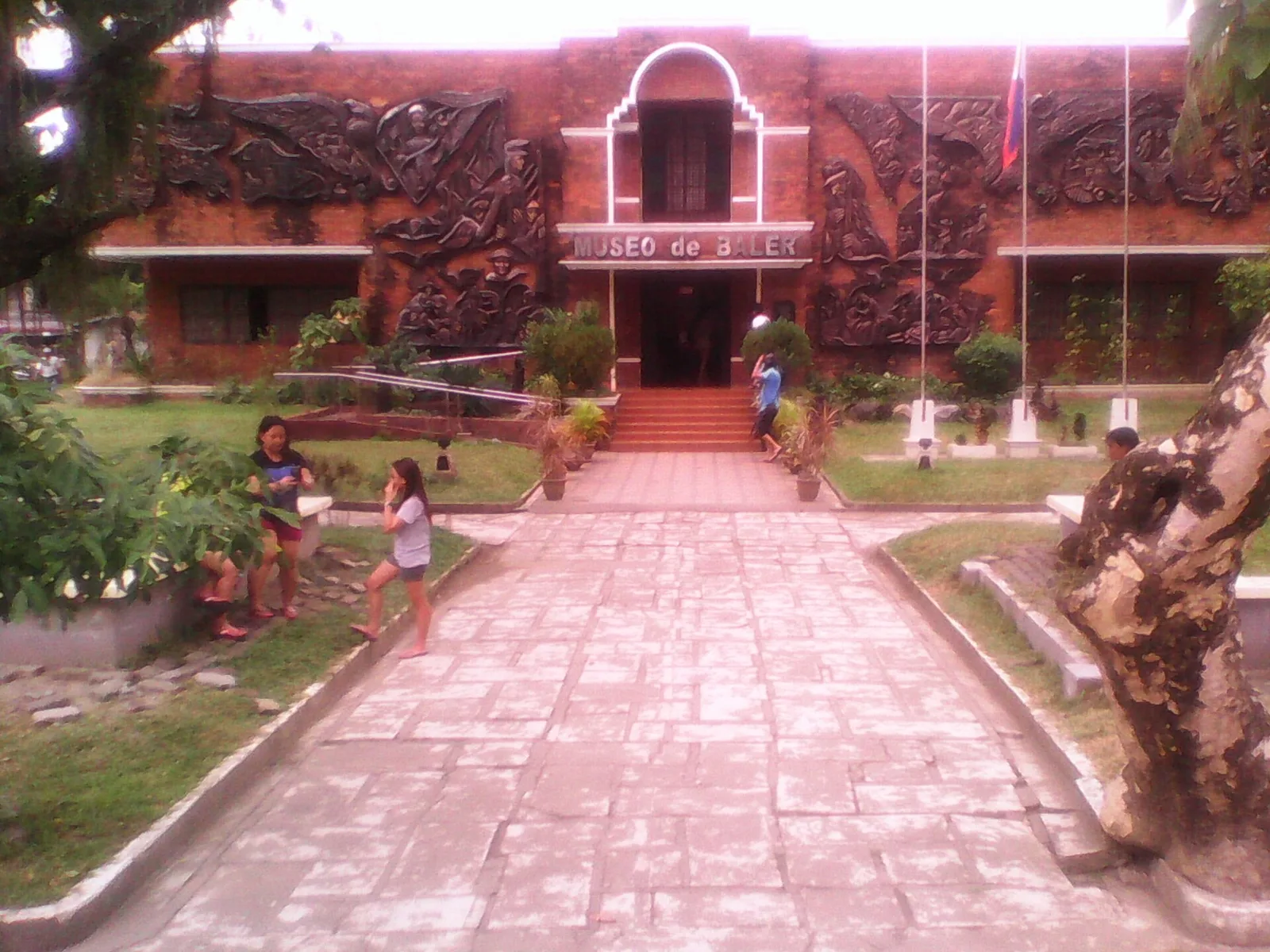
Museo de Baler
Cultural hub showcasing artifacts, paintings, memorabilia & ethnic exhibits of the region.
Cultural hub showcasing artifacts, paintings, memorabilia & ethnic exhibits of the region.
Limestone sculpture of a lion by the Baguio chapter of the Lions Club. It is carved by Ifugao artist Anselmo Bayang Day-ag and is considered as the Baguio's "entrance marker" for tourists coming from south of the city.
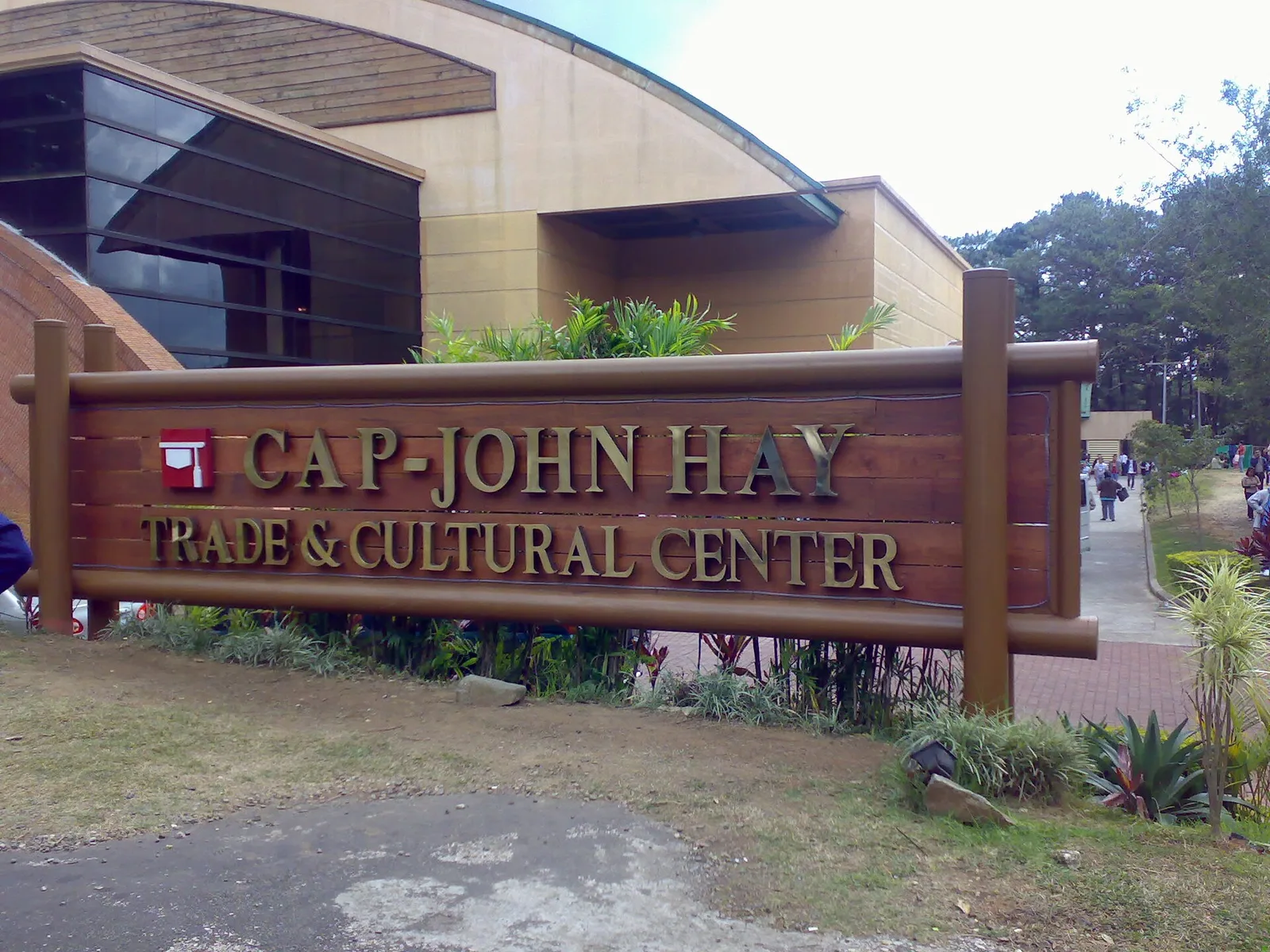
This former R&R facility for American military personnel during the American occupation was turned over to the Philippine Government in 1991. Now under the auspices of the Bases Conversion & Development Authority (BCDA), Camp John Hay is a sort of …
Here you can find a beautiful bamboo sanctuary and demo farm. It was wonderful seeing various species of bamboo.
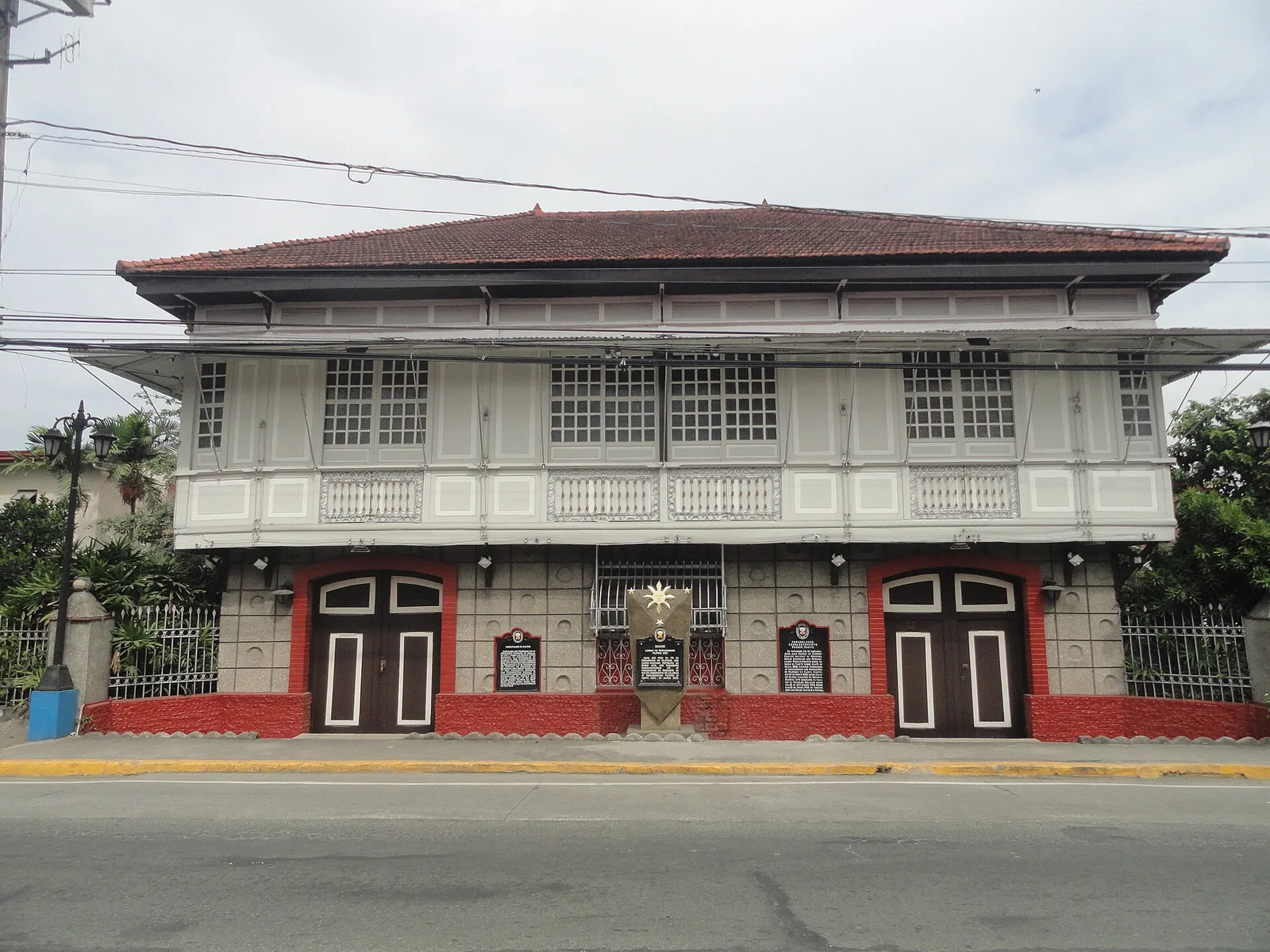
One of the few remaining bahay na bato residences from the Spanish era, the privately-owned house became the first headquarters of the Philippine revolutionary government following the declaration of independence in June 1898 until September that same year, when it …
This Carmelite church and monastery is known for its quiet, contemplative atmosphere. Visitors may leave prayer requests, and the monastery also has a shop selling religious items and souvenirs.
Holy Family Academy Building was once a convent and was served as a military hospital of the U.S. Army in 1900. It was later used as troop barracks, officers' quarters and arsenal by the Japanese Imperial Military Forces in 1942.
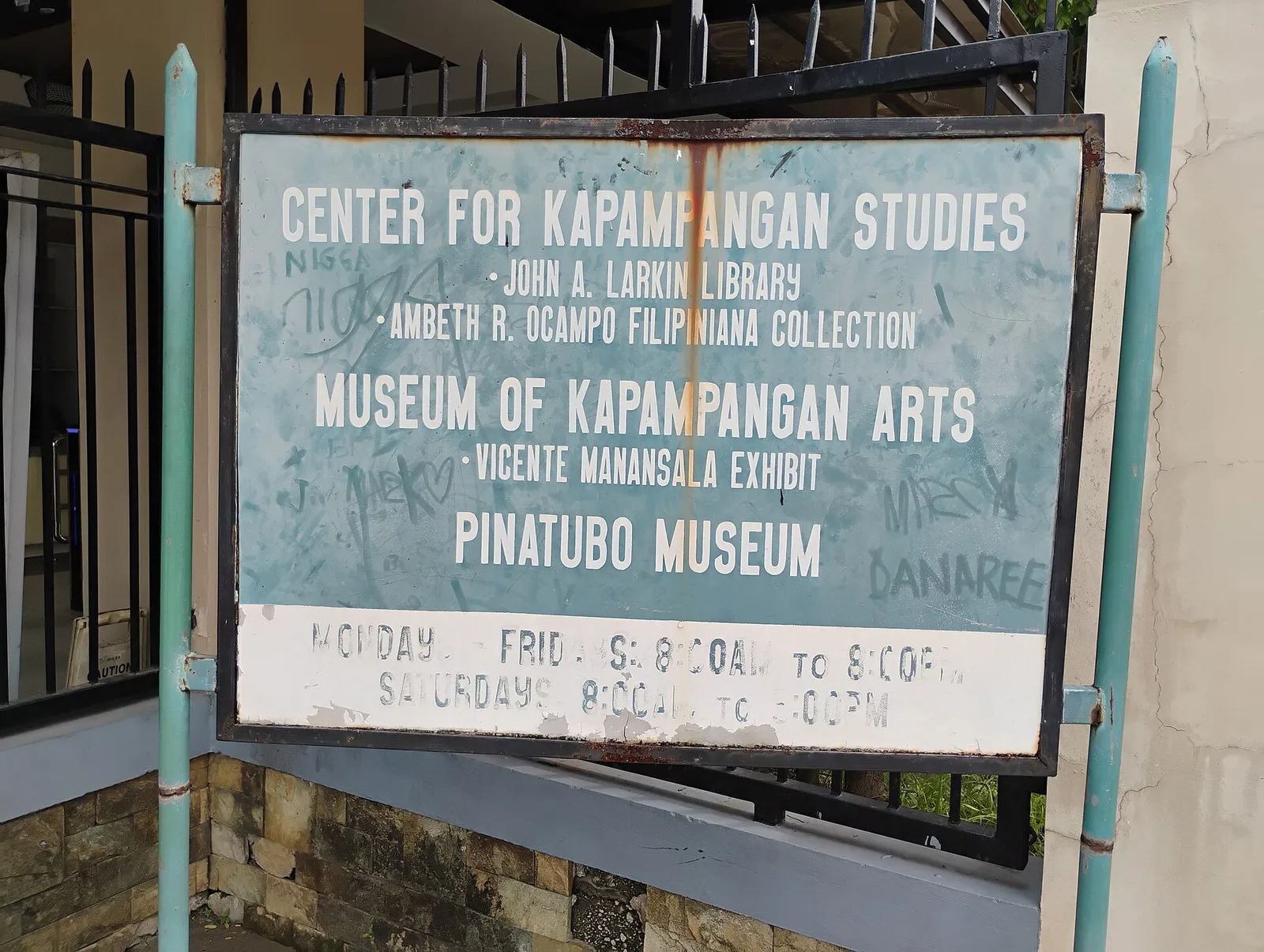
A museum inside the Holy Angel University showcasing the history and culture of the Kapampangans, the main ethnic group in Pampanga.
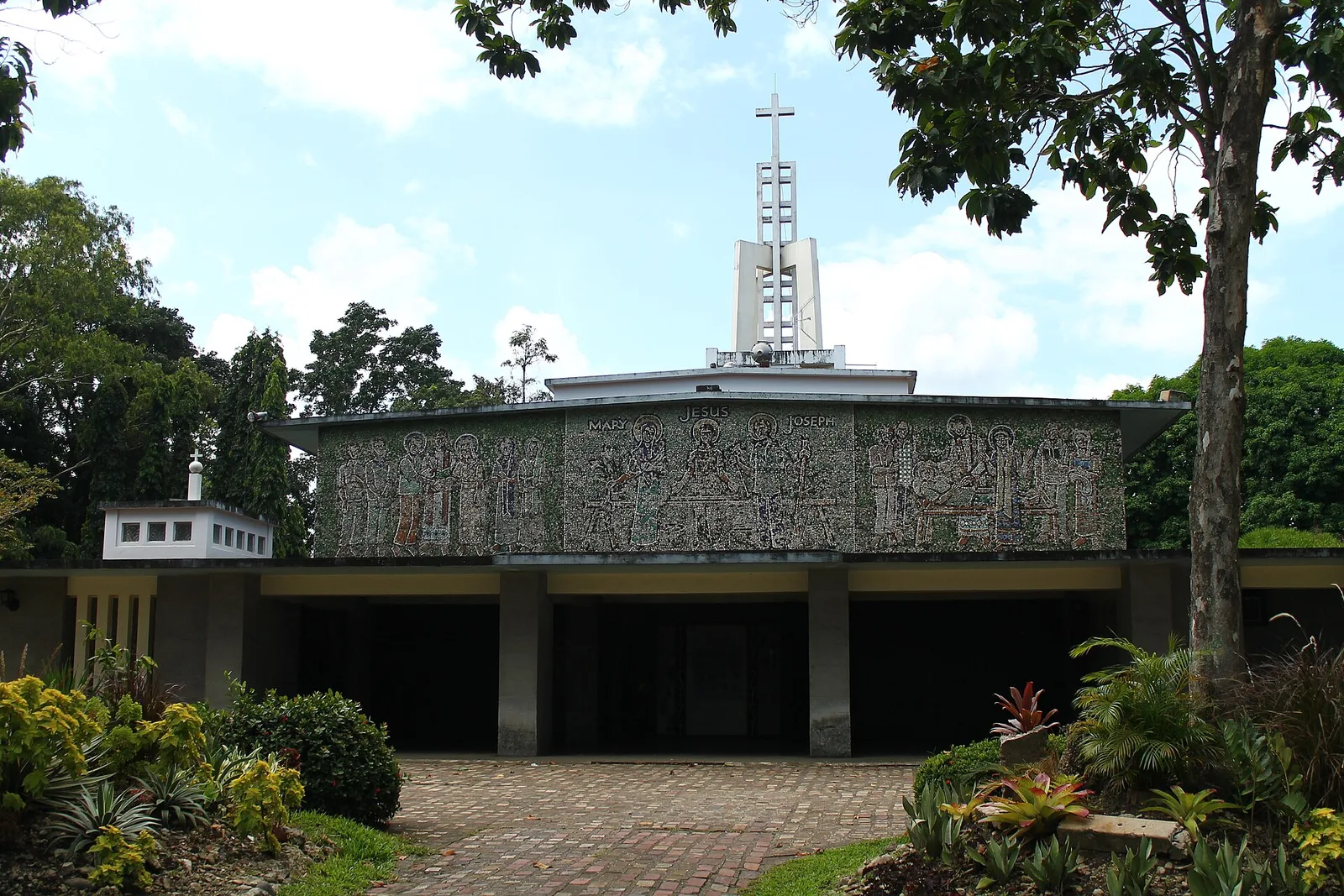
A Catholic church inside the residential complex of the Victorias Milling Company, known as the Angry Christ Church after its altar painting, which Alfonso Ossorio painted in strong colours. It counts as the first modern sacred building in the country …
A model farm set up in 1881 under a Spanish royal decree and opened on 8 July 1884. The government keeps a stock farm on the site, together with a research centre established by the Philippine Sugar Commission.
An old Spanish fort, built as a lookout post against Moro raids, which were frequent at the time. Himamaylan became the capital of Negros in 1795 and served as a garrison for the Spanish forces.
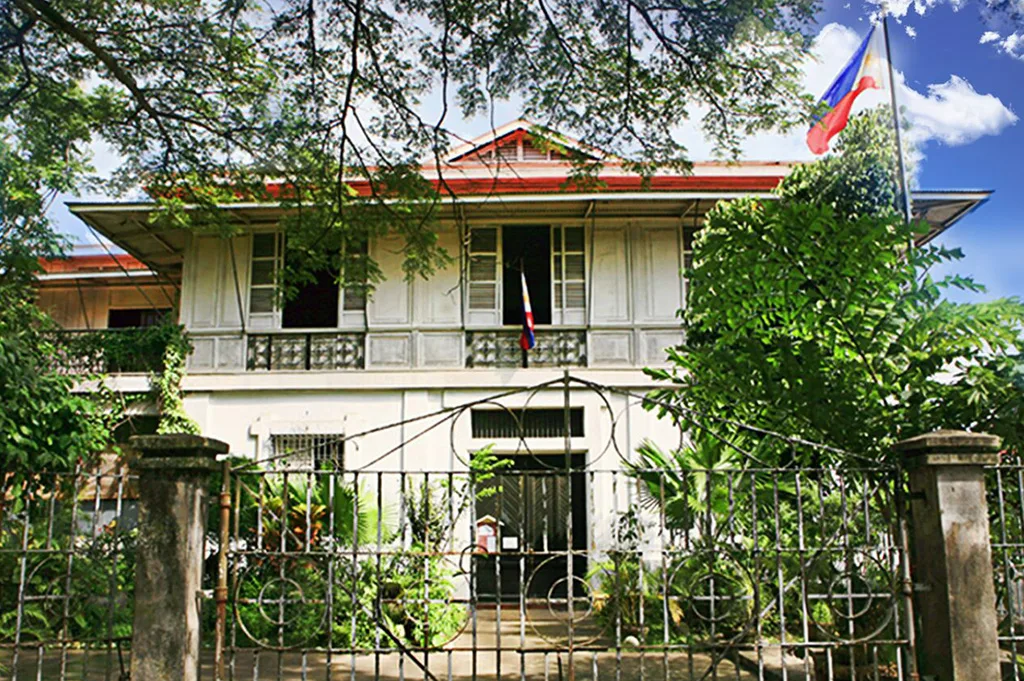
An old ancestral house in Bago City, Balay ni Tan Juan now operates as a museum. It stands as one of the buildings behind the city's description of itself as the Home of Historical and Natural Treasures. Bago promotes this …
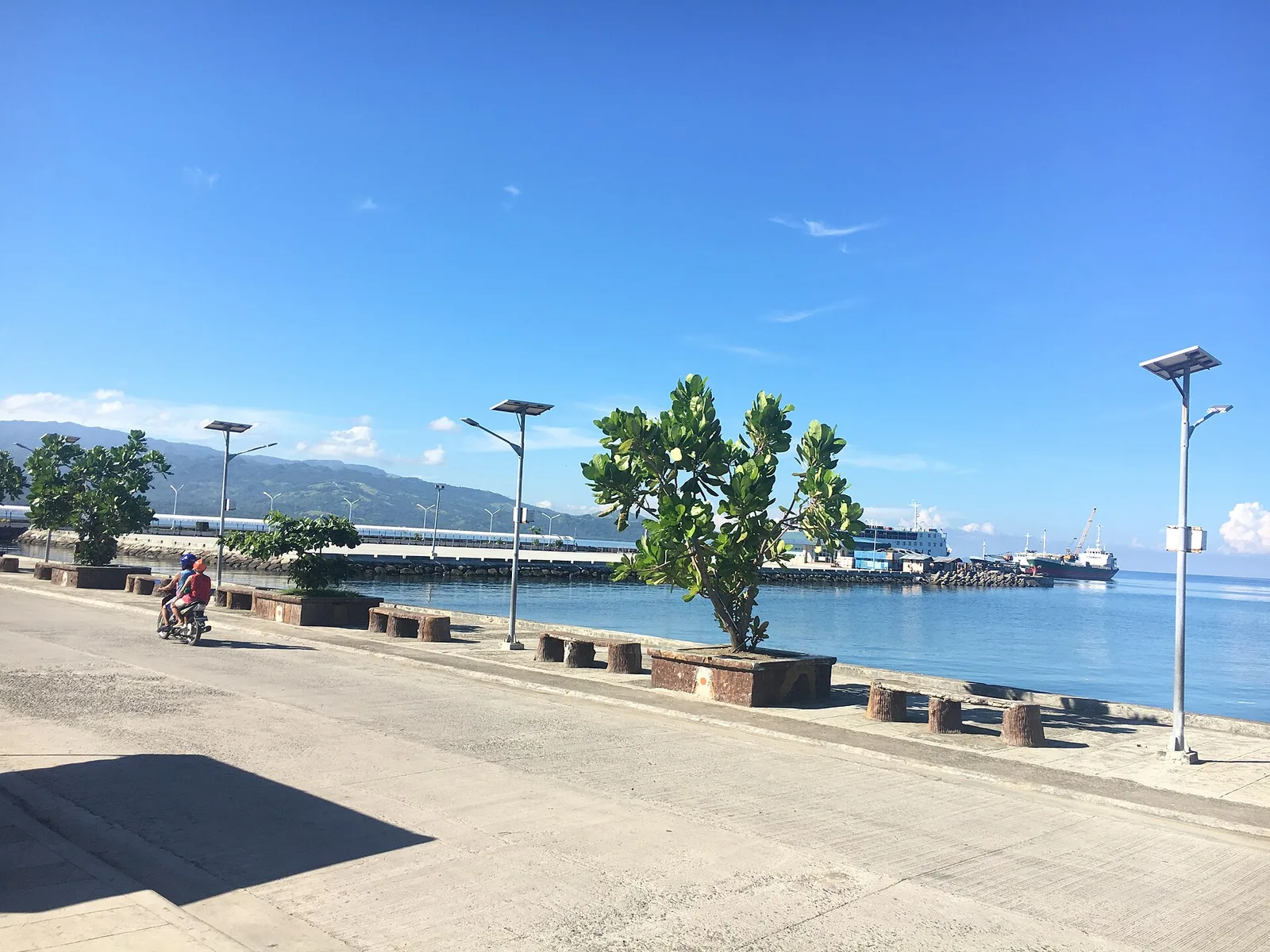
The seaside walk along the city front, the most visited spot in the city and busiest after dark. Baybay is the business and industry centre for the west coast of Leyte, and the restaurants, cafes and night spots that fill …
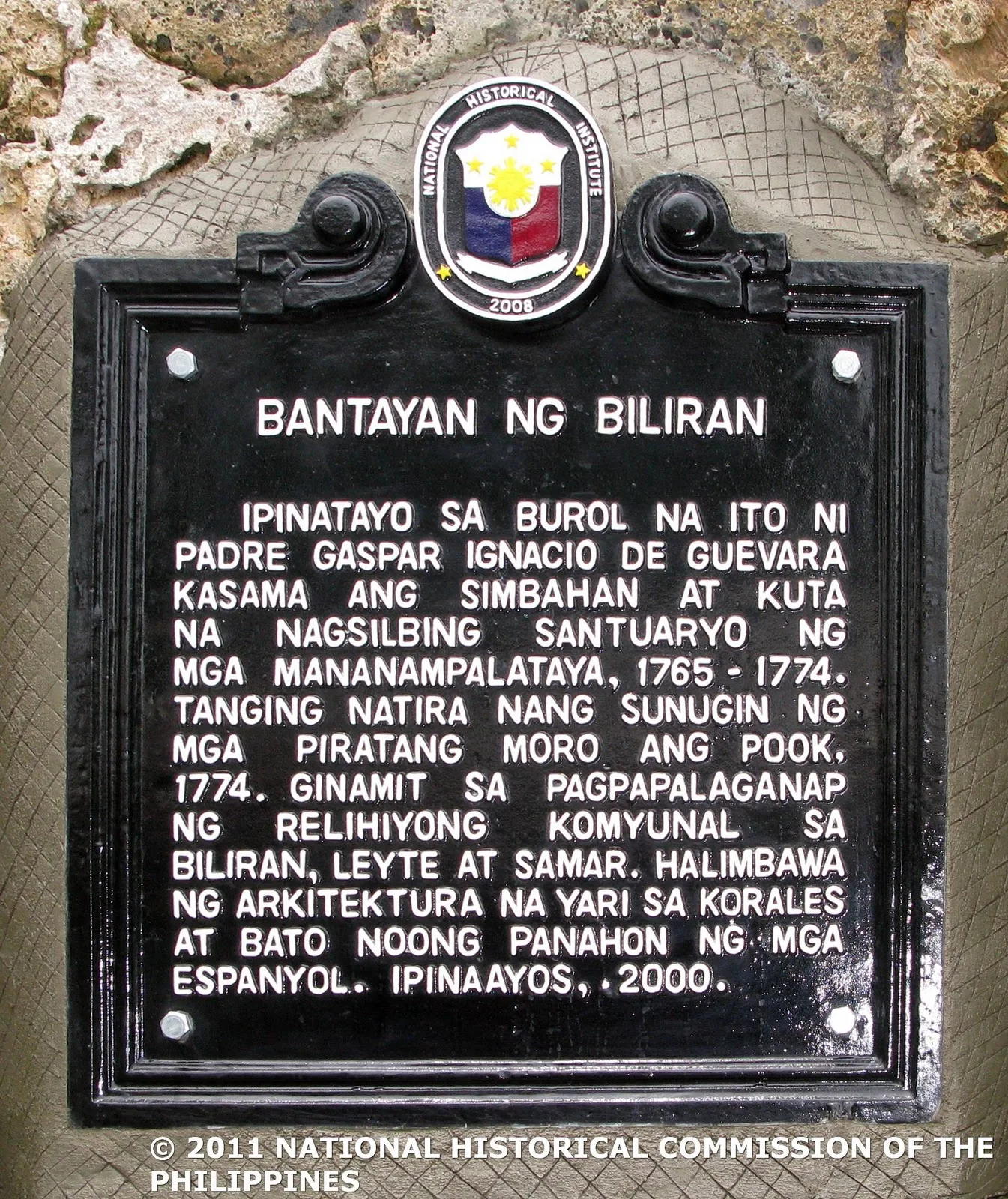
A coastal watchtower put up in 1765 to watch for Muslim raiding boats. The Filipino priest Gaspar Ignacio de Guevara started the work. In 1774 the raiders came anyway, attacked the settlement and burned it, tower included. The ruin was …
A town of colonial roads and well-preserved ancestral houses that the National Commission for Culture and the Arts counts as a heritage town. It lies east of Sarangani Bay and north of the Celebes Sea, and it is the most …
Within Gingoog lies a national park and nature reserve known as the Mount Balatukan Range Natural Park.
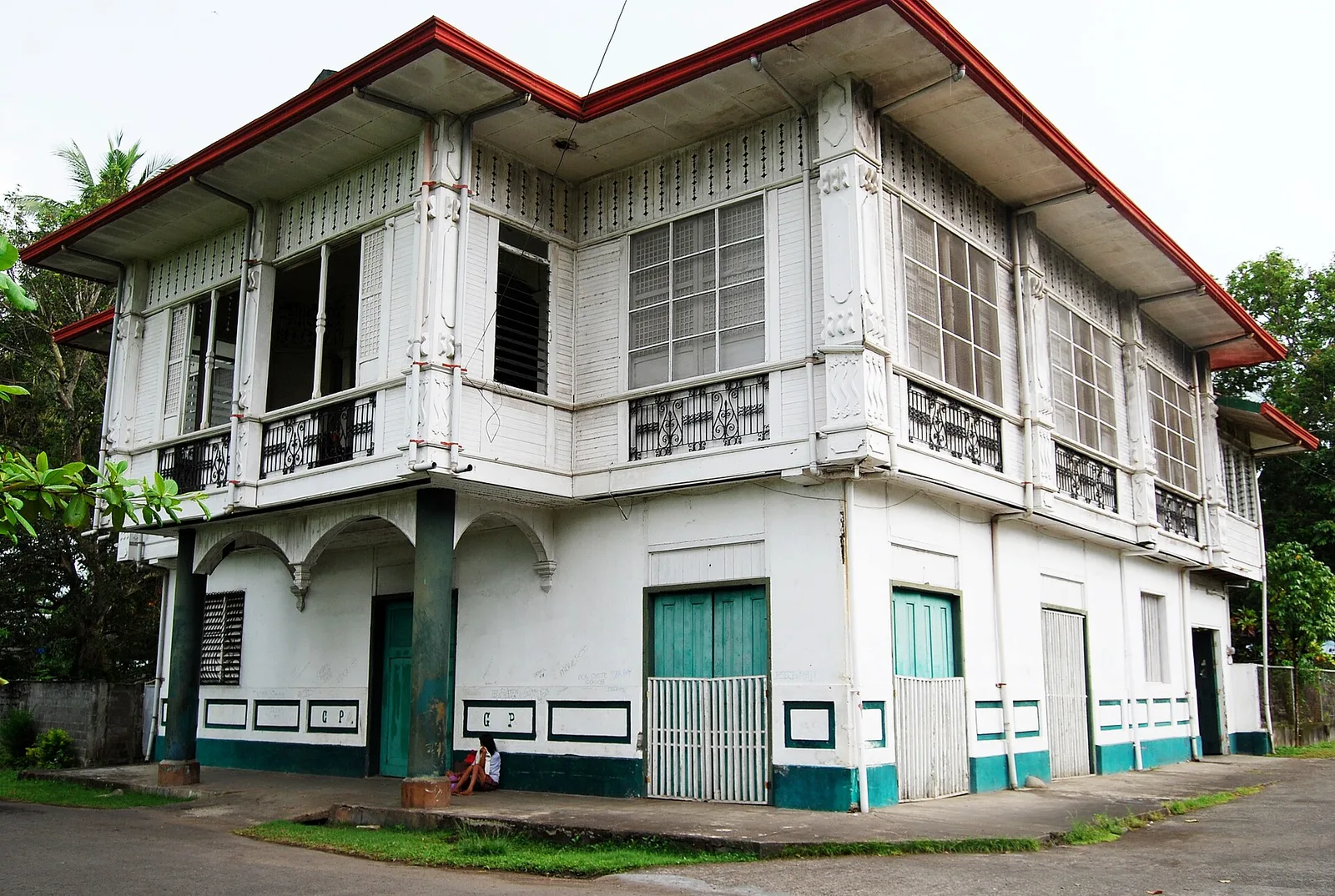
The white ancestral home of two Pelaez politicians: Don Gregorio Pelaez Senior, the first governor of Misamis Oriental, and his son Emmanuel Pelaez, elected Vice President in 1961. It stands in North Poblacion in Medina, in the eastern part of …
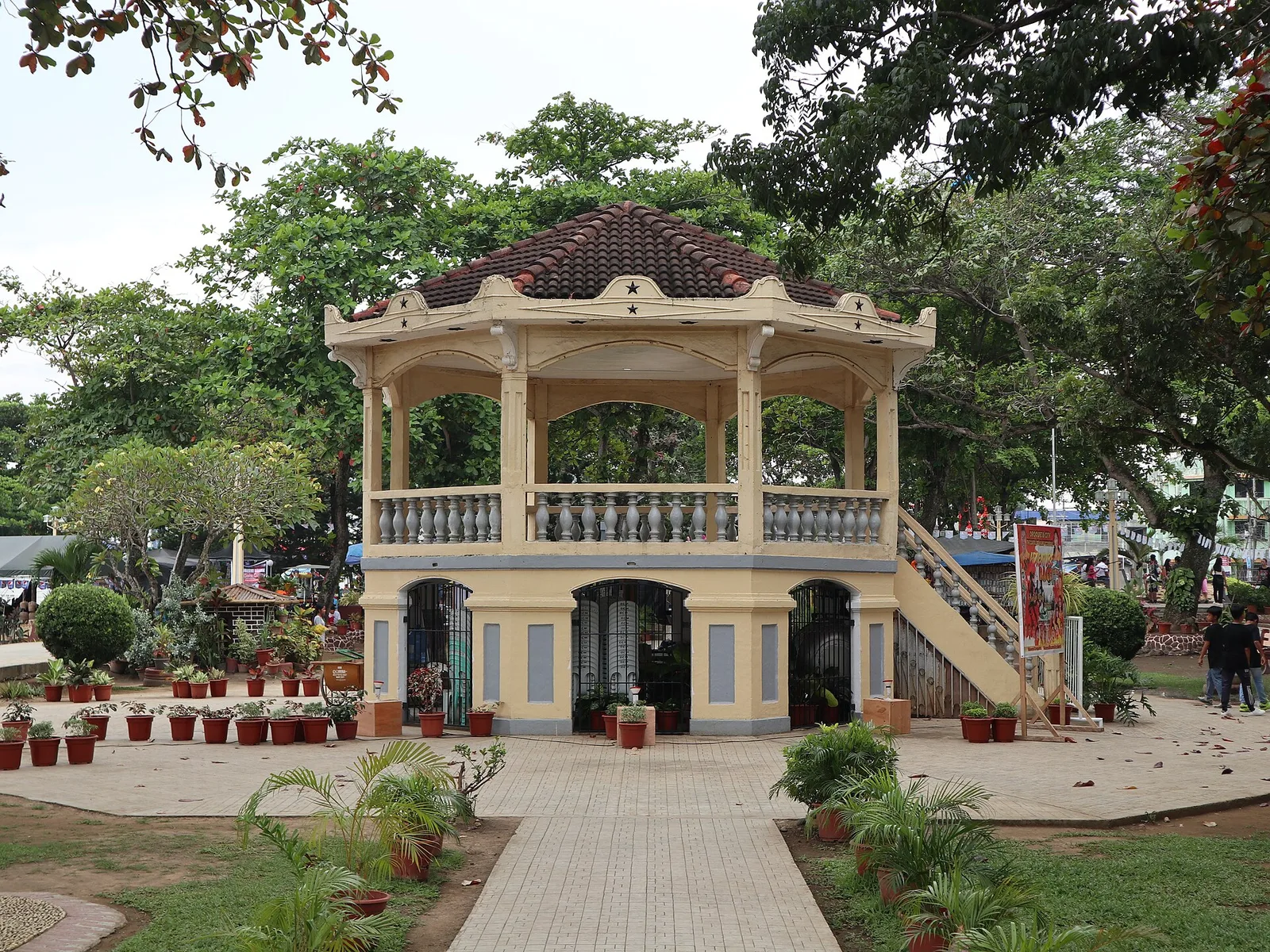
A kiosk built during the Spanish era still stands in Oroquieta today, one of the few surviving works from the town's early development. Friar Tomas Casado, Oroquieta's first Spanish parish priest, oversaw its construction along with a convent, a school, …
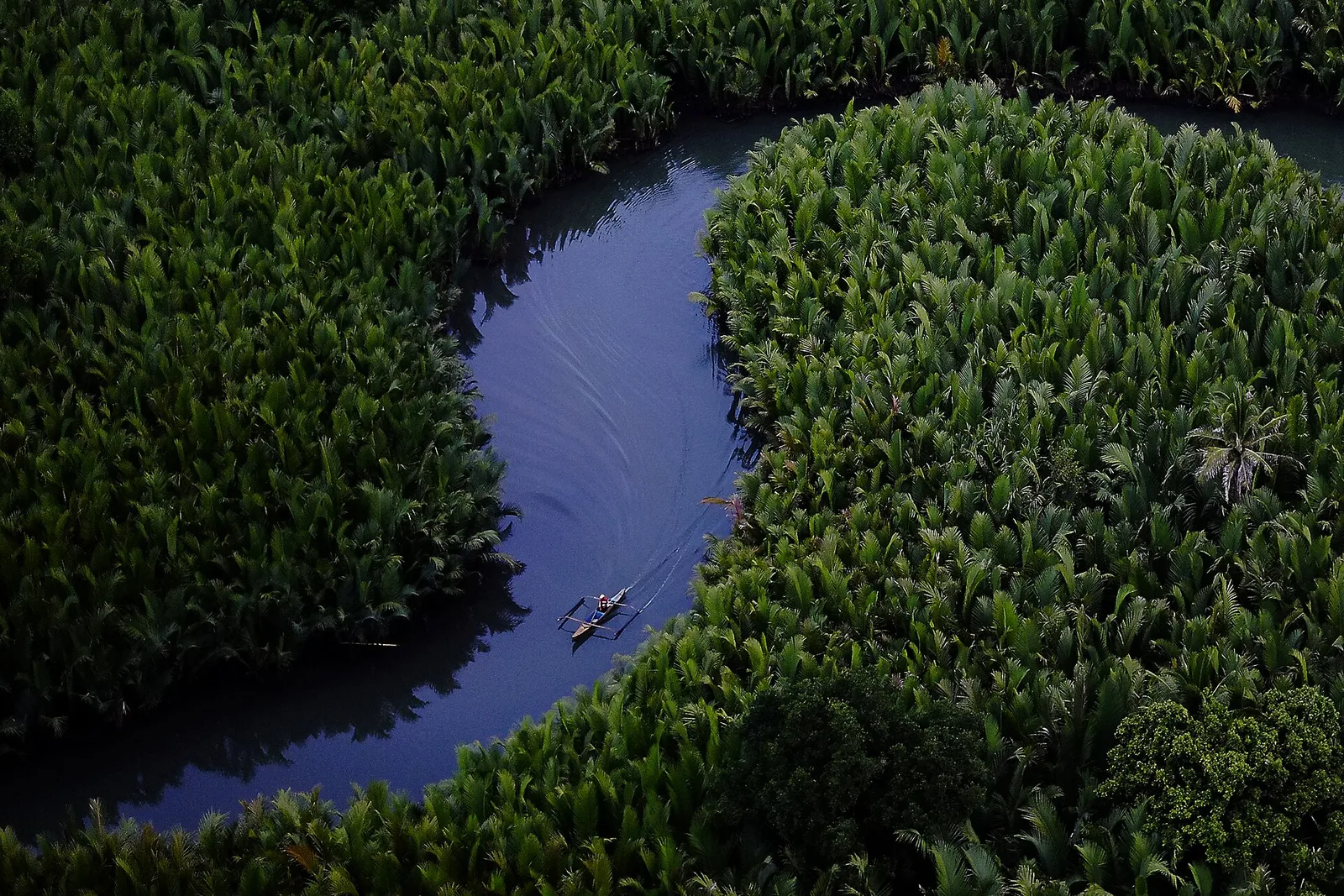
Protected coast and wetland on Danao Bay, 294.10 hectares of mangrove, sea grass and coral reef. The area covers the barangays of Misom, Sinian, Tugas and Landing, and takes in part of the Sinian River, which drains into the bay. …
A river run on inflated rubber tyres, down rapids with a strong current. Santa Cruz runs the trip as white water tubing. Sibulan is also the start of the trail up Mount Apo. A group led by Don Joaquin Rajal …
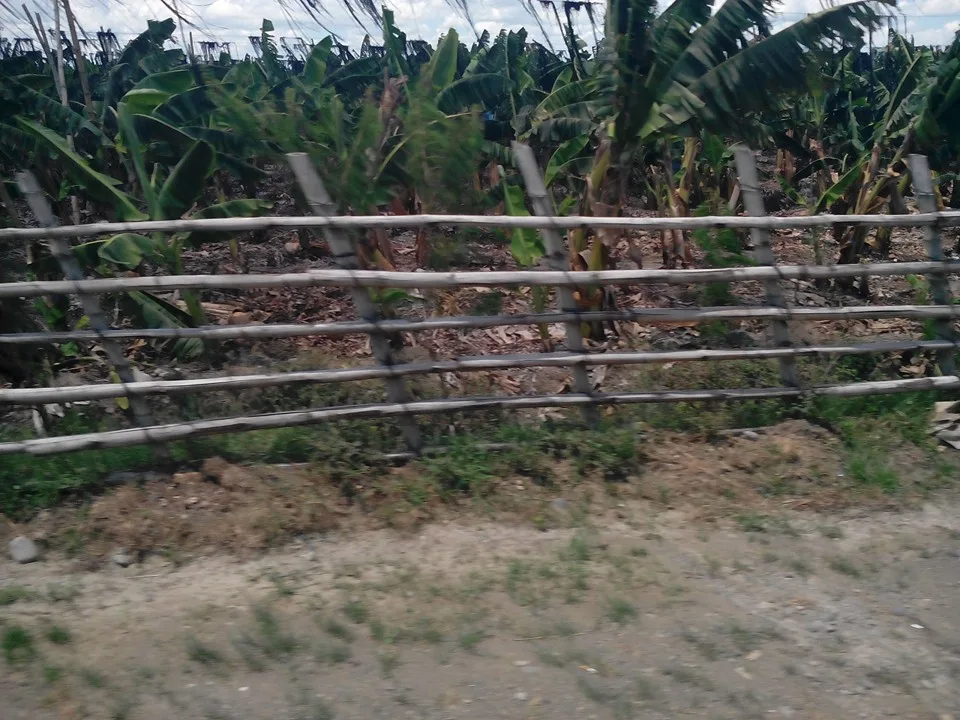
The Tagum Agricultural Development Company, known as TADECO, runs a Cavendish banana plantation in Panabo that grew into the world's largest of its kind. The operation is the reason Panabo calls itself the Banana Capital of the Philippines. TADECO was …
Long beaches of fine sand, wide mangrove forest and deep water full of sea life, on a 128 square kilometre island next to Siargao and on the northern side of the province. The island forms the municipality of Socorro, the …
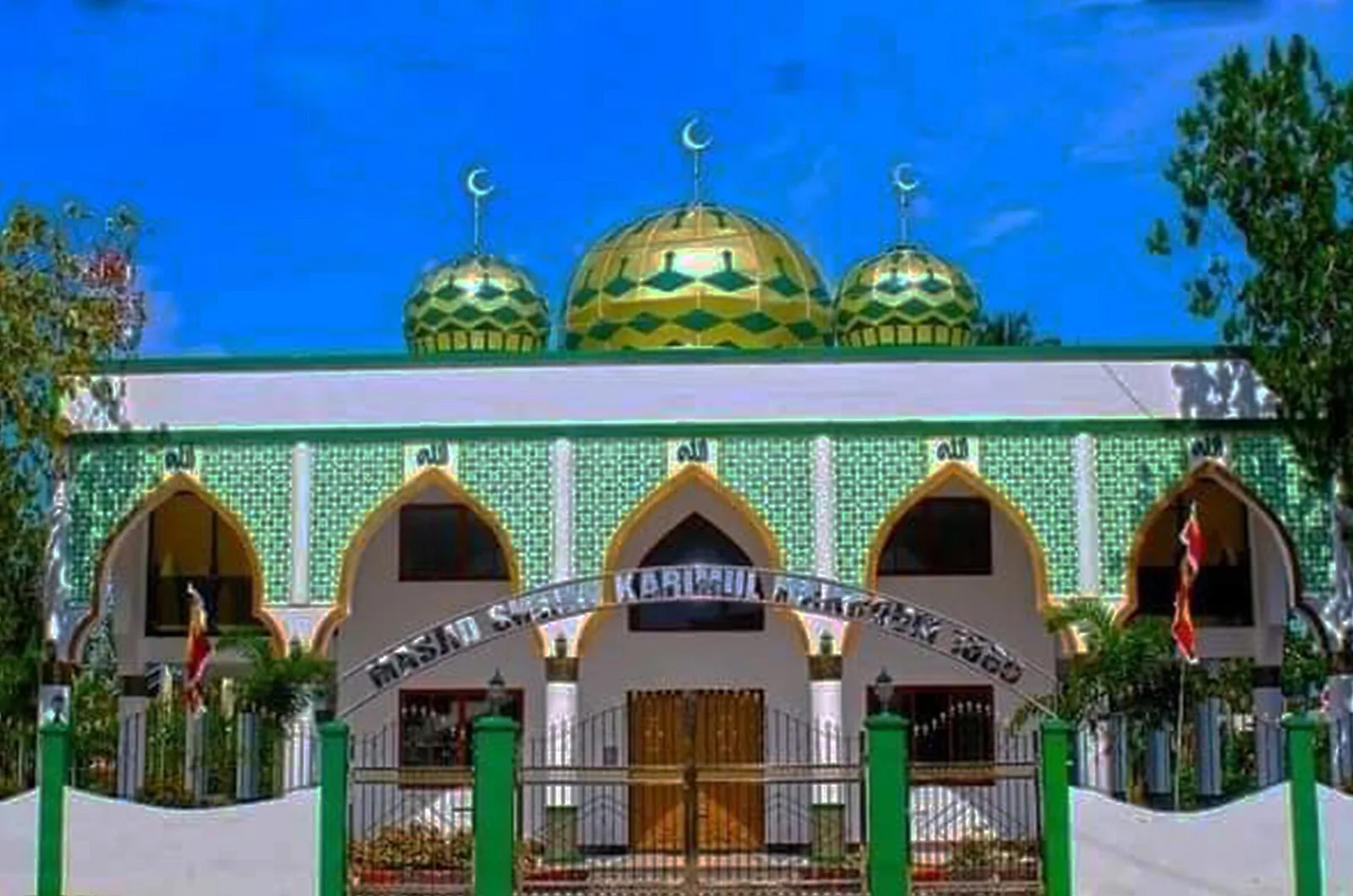
The oldest mosque in the Philippines, by local lore: people date the first mosque on this ground to 1380, built in the indigenous sacred Moro pagoda style. Makhdum Karim, an Arab trader and missionary, established it. The building standing now …
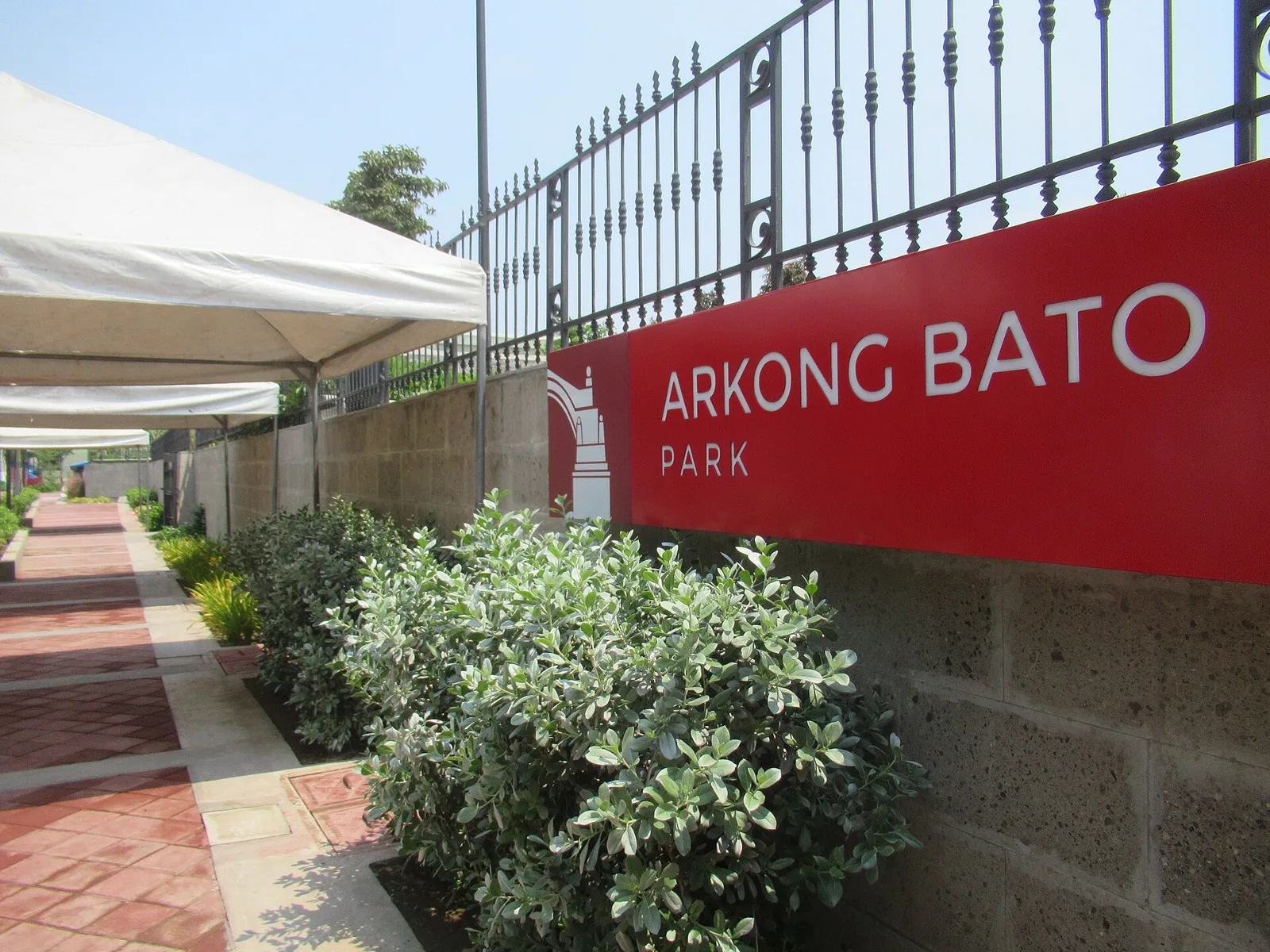
A stone arch that the American colonial government built in 1910 to mark the border between the provinces of Bulacan and Rizal. After Malabon and Valenzuela joined Metropolitan Manila in 1975, the arch became the line between the two towns, …
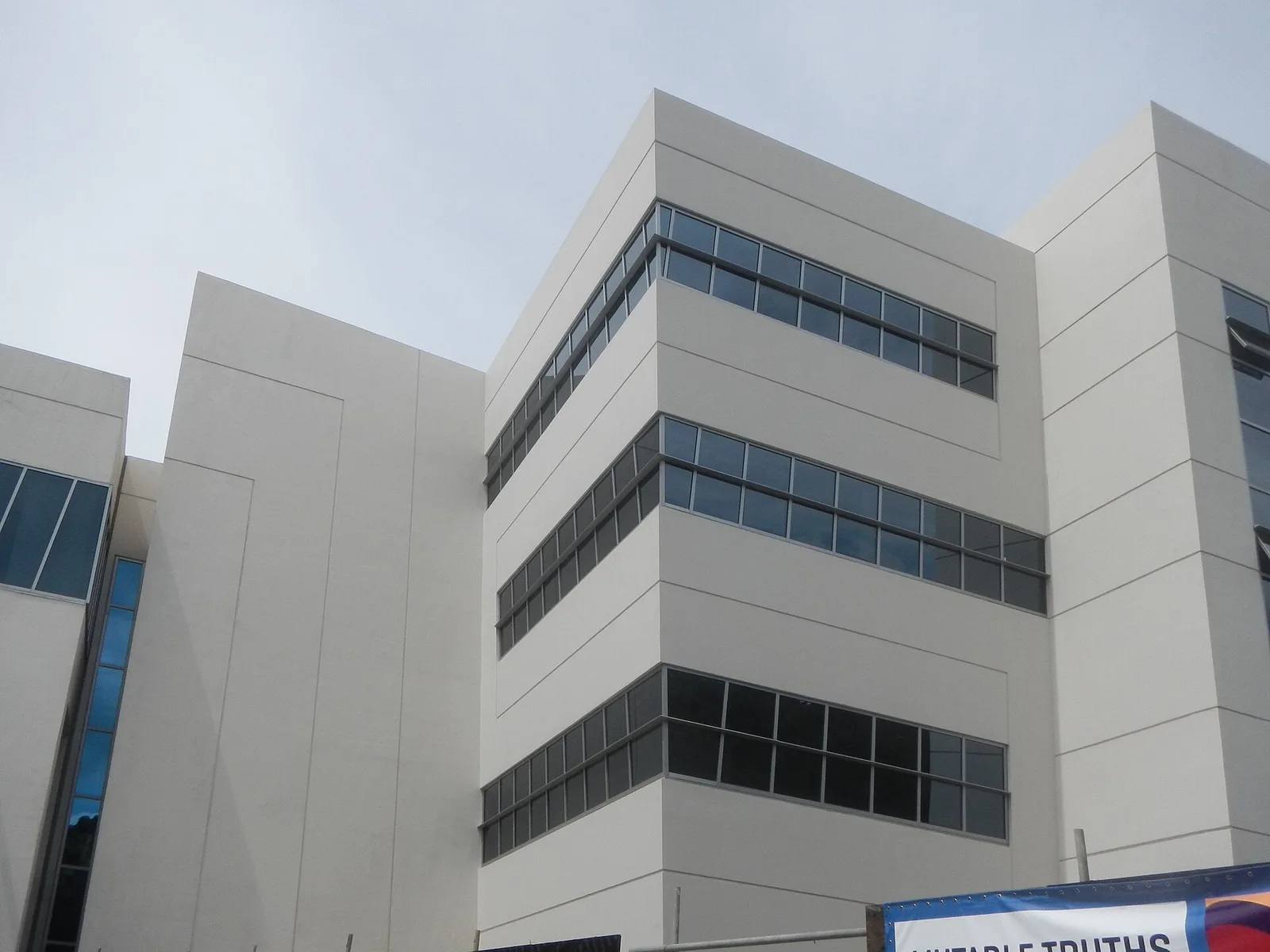
The first museum of Philippine modern art, started in 1960 when Fernando Zóbel gave the Ateneo his collection of post-war Filipino painters. The collection now runs from neo-realism and abstract expressionism to present-day work. The prints and drawings hold more …
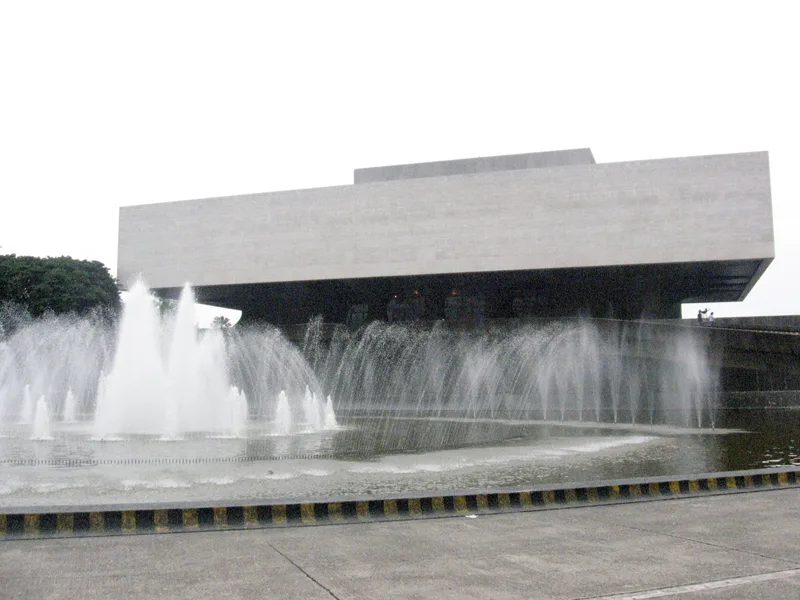
The national theatre and the flagship house of the Cultural Center of the Philippines, designed by Leandro Locsin. Inside are three performing arts venues, a theatre for film, galleries, a museum and the centre's library and archives. The brutalist block …
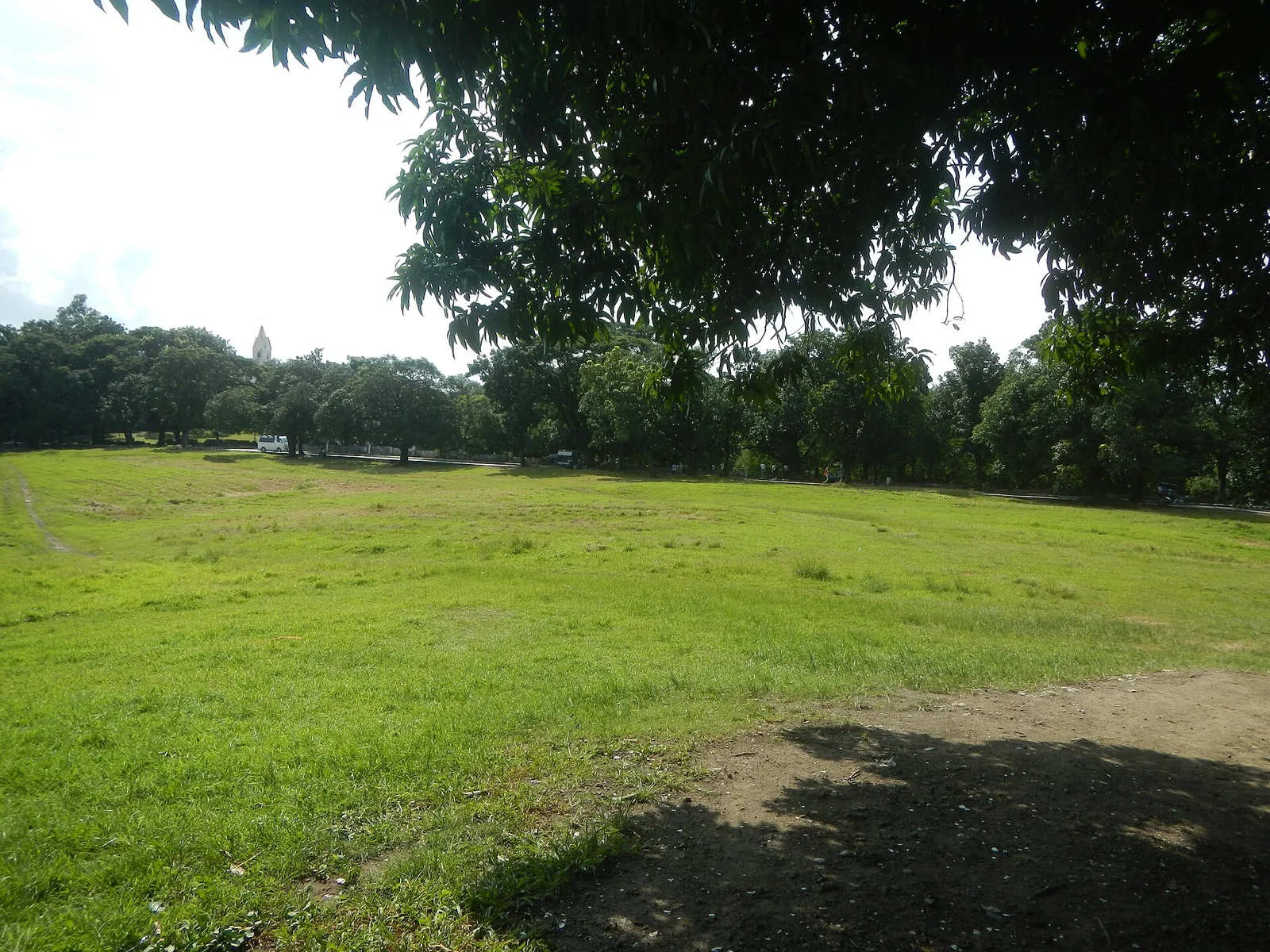
A wide grassy field that lies lower than the land around it, on the south shore of Jamboree Lake inside the New Bilibid Prison reservation. The city government and the Bureau of Corrections run it together, and the city protects …