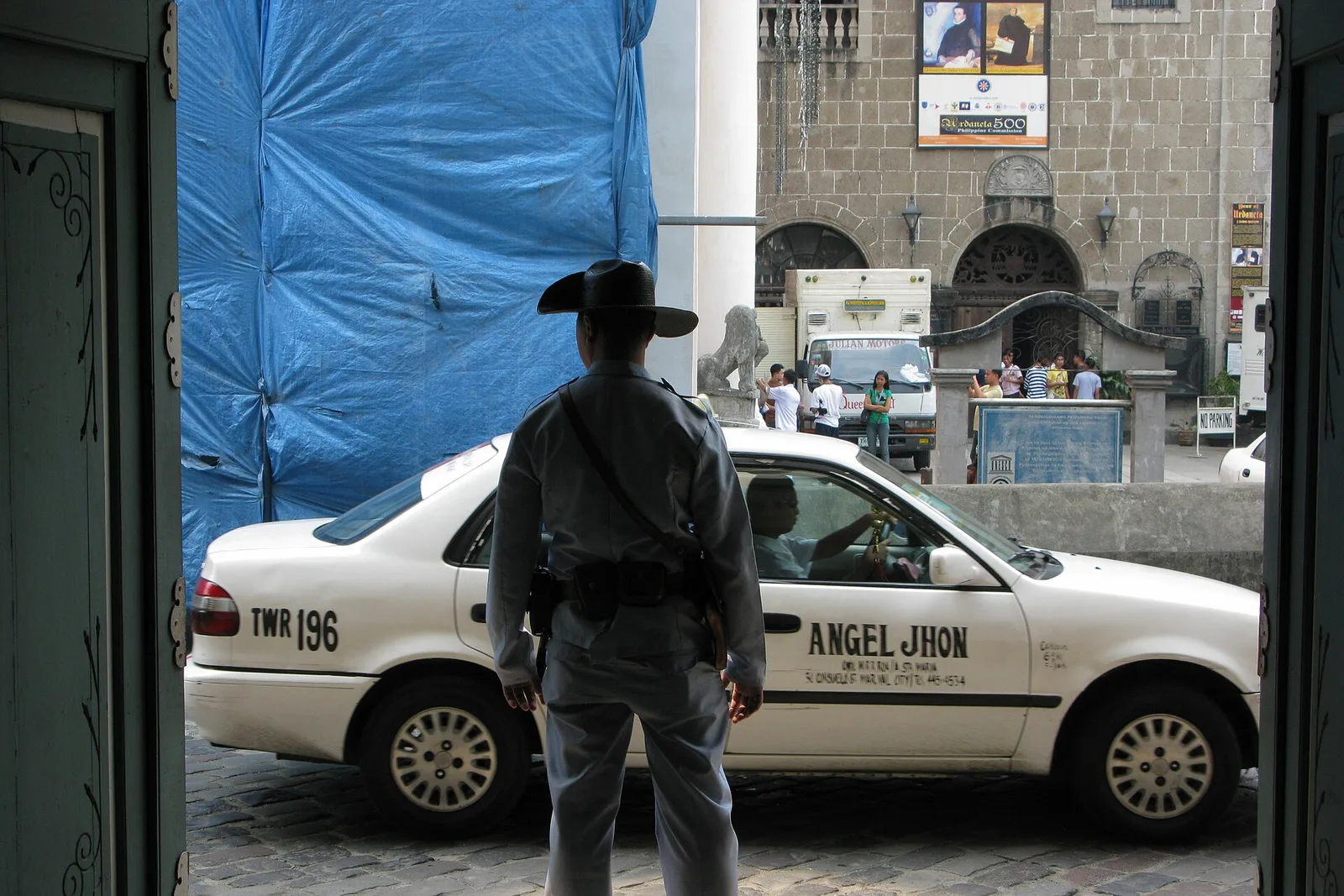
Intramuros
The walled Spanish city of 1571, with Fort Santiago, San Agustin Church and a walk along the ramparts. The district covers 0.67 square kilometres and is enclosed on every side by its fortifications. It was the seat of the Spanish …
Island group · 8 regions
The walled Spanish city of 1571, with Fort Santiago, San Agustin Church and a walk along the ramparts. The district covers 0.67 square kilometres and is enclosed on every side by its fortifications. It was the seat of the Spanish …
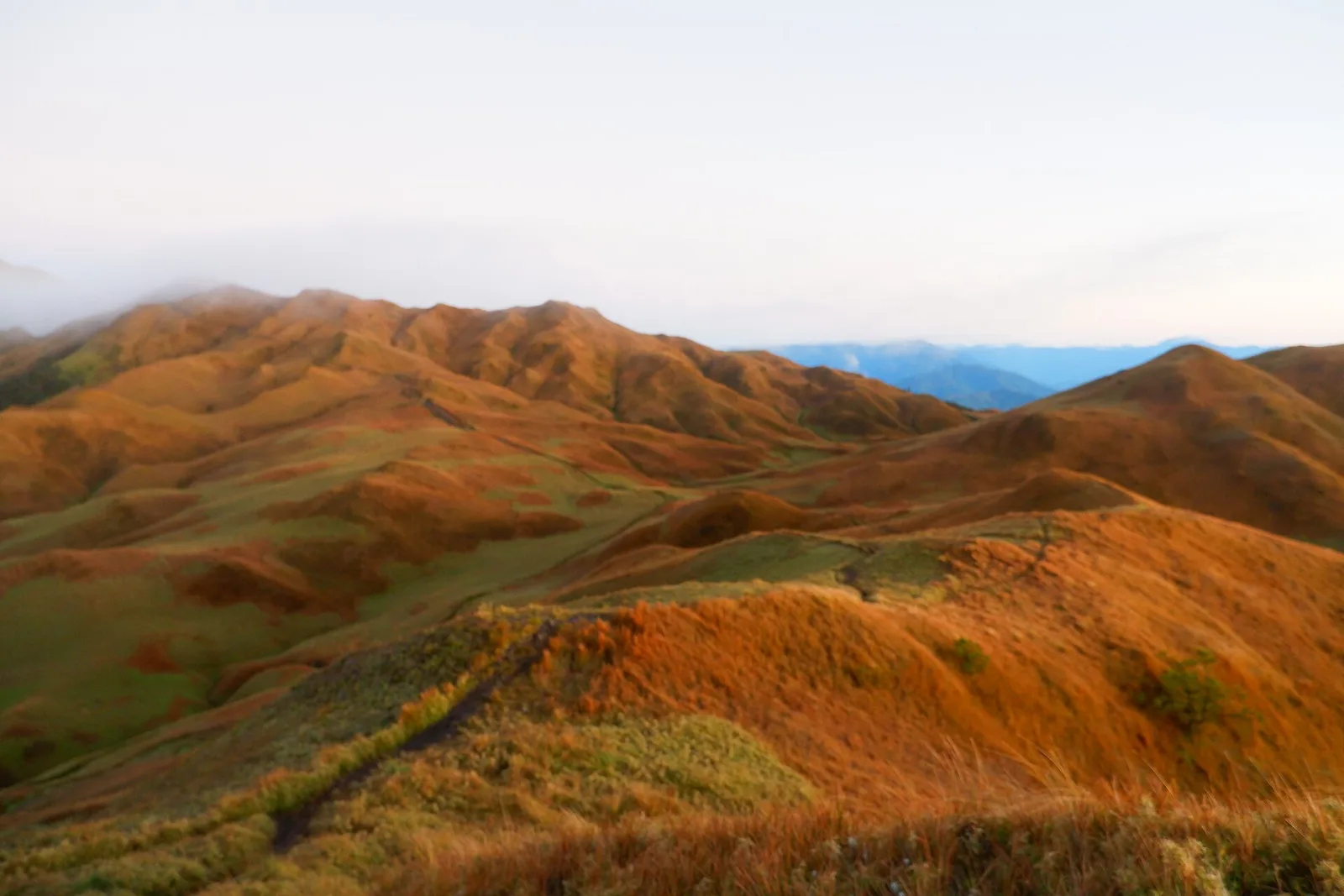
The highest peak in Luzon at 2,926 metres, famous for a sea of clouds at dawn above the dwarf bamboo. Permits and a guide are required. It is the third highest mountain in the country and the second most prominent, …
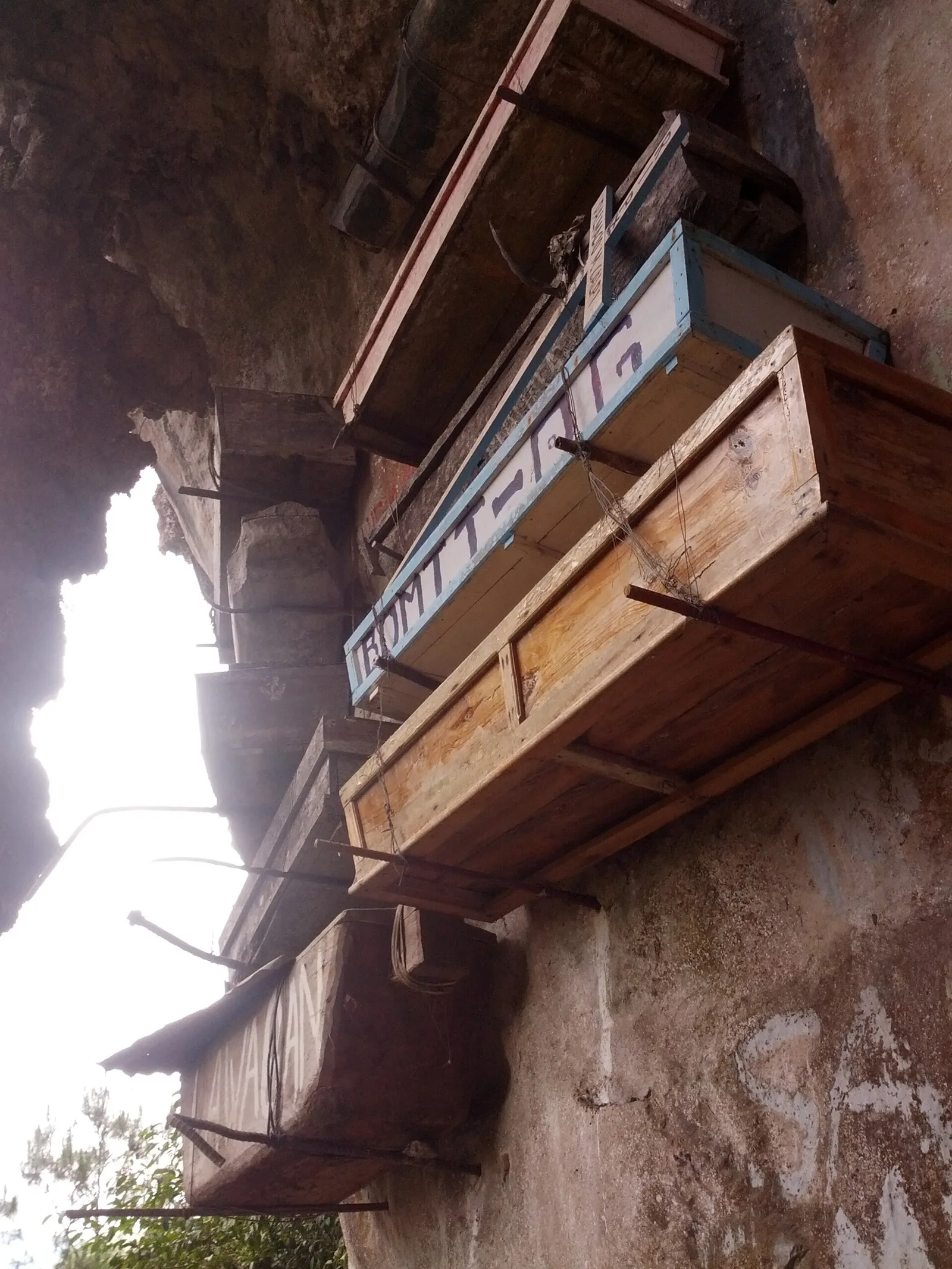
Coffins fixed to the cliff face, an Igorot burial practice still used occasionally. Visited with a local guide. People have been buried this way around Sagada for more than 2,000 years. The old carve their own coffin out of a …
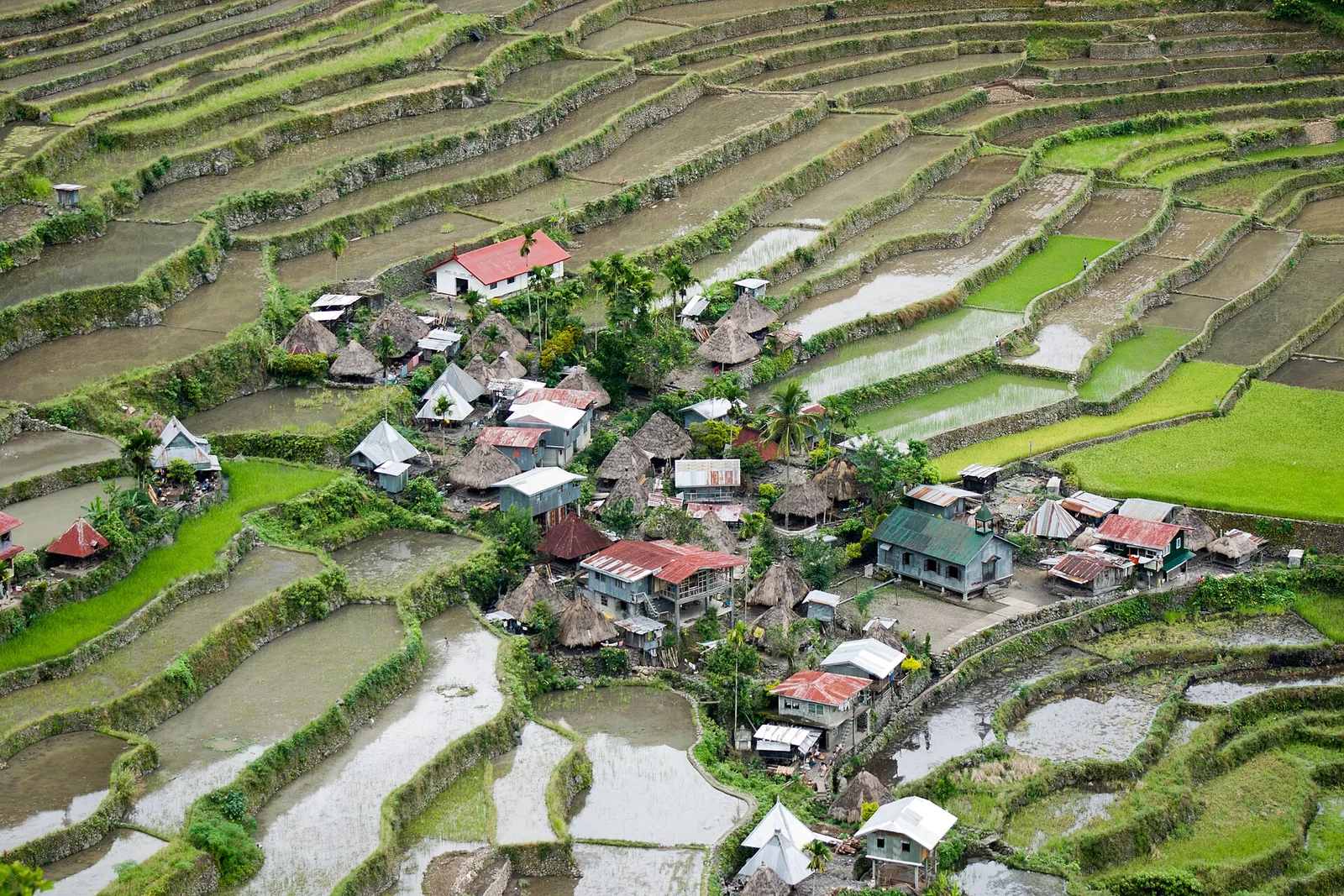
An amphitheatre of stone-walled terraces, part of the UNESCO listing, reached by a hike from the saddle. Batad and Bangaan are the two clusters in Banaue that the World Heritage inscription covers. People here call the Ifugao terraces the Eighth …
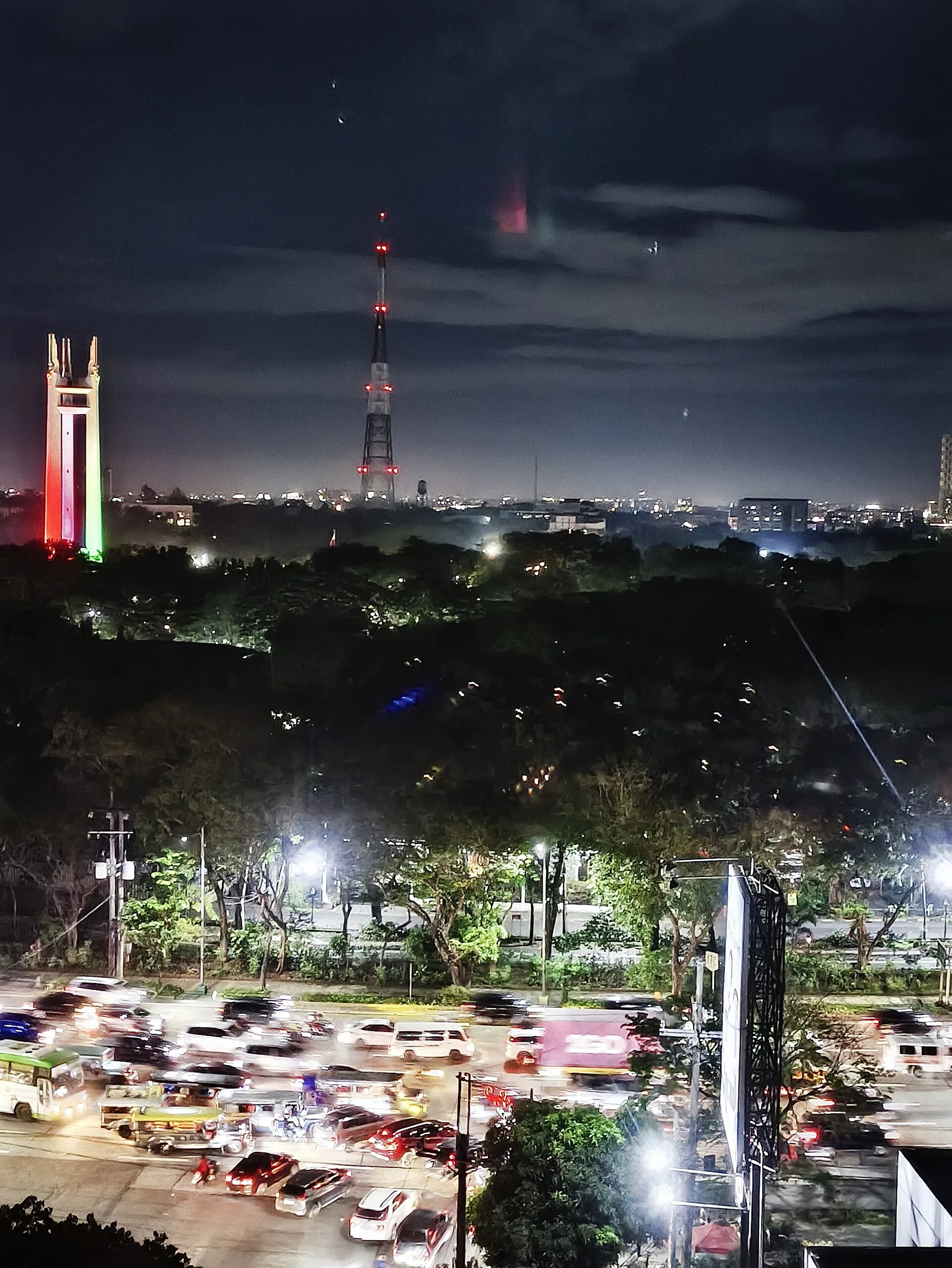
The main park of the city, laid out inside the large roundabout of Elliptical Road. At its centre is a mausoleum 66 metres tall that holds the remains of Manuel L. Quezon, the second president of the Philippines, and of …
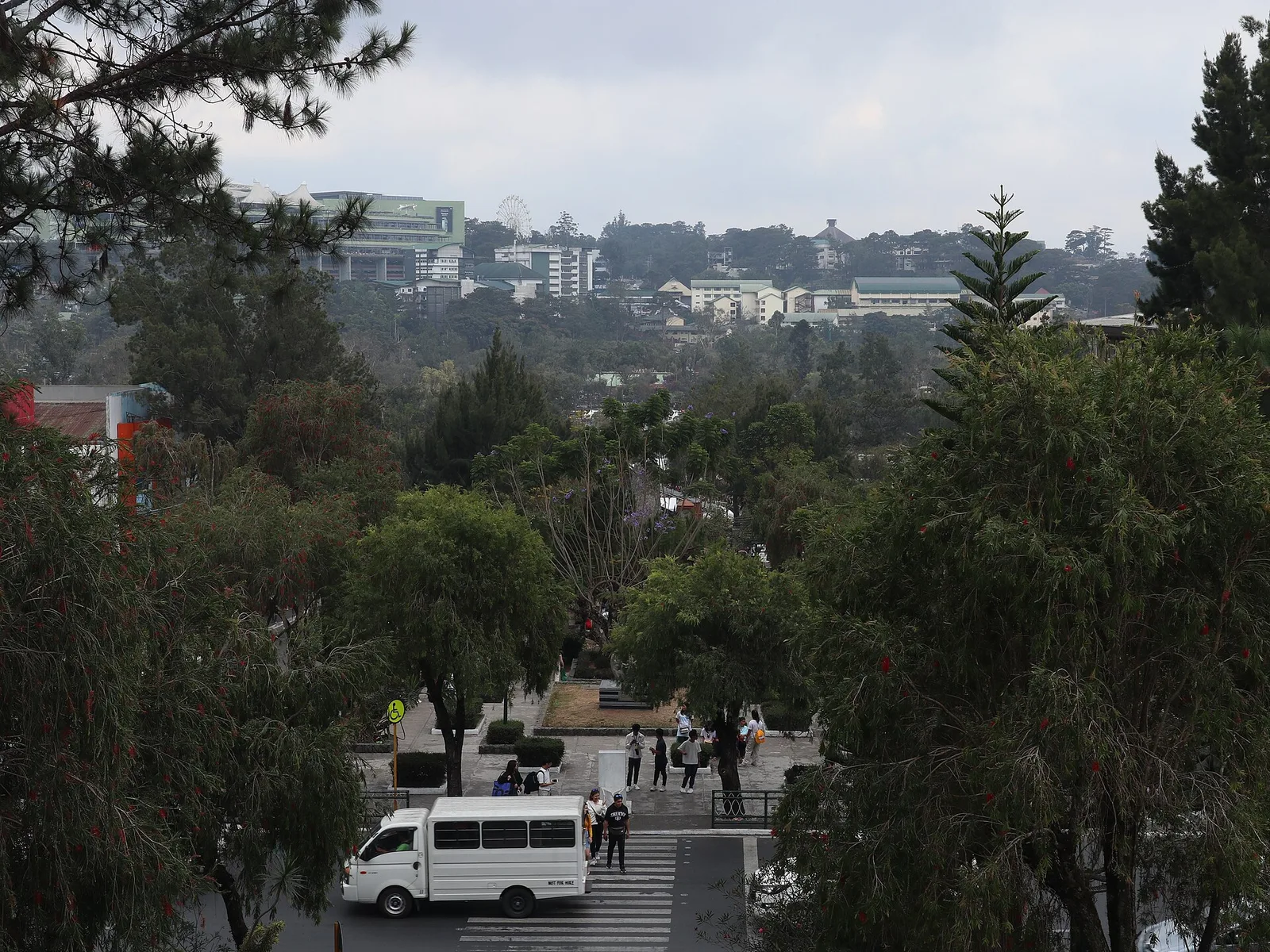
The city's central park: a boating lagoon, a bike loop and a skating rink, laid out by Daniel Burnham in the American period. Burnham was the American architect who drew the city plan for Baguio, and the park, officially the …
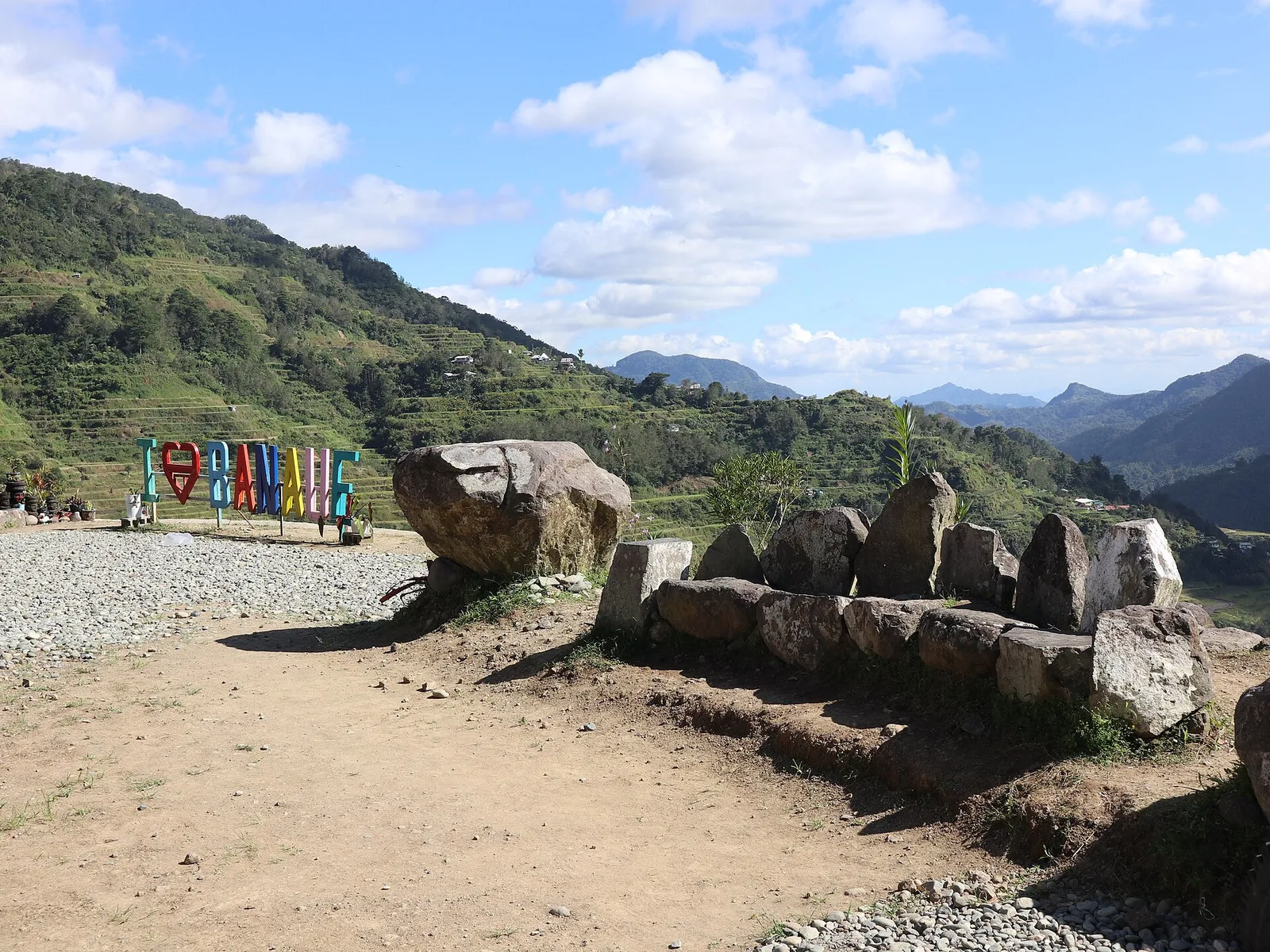
Four roadside decks above the town looking over the terraces, with Ifugao elders in traditional dress. The fields below were cut into the mountains by the ancestors of the Igorot people, by hand and with little equipment, about 1,500 metres …
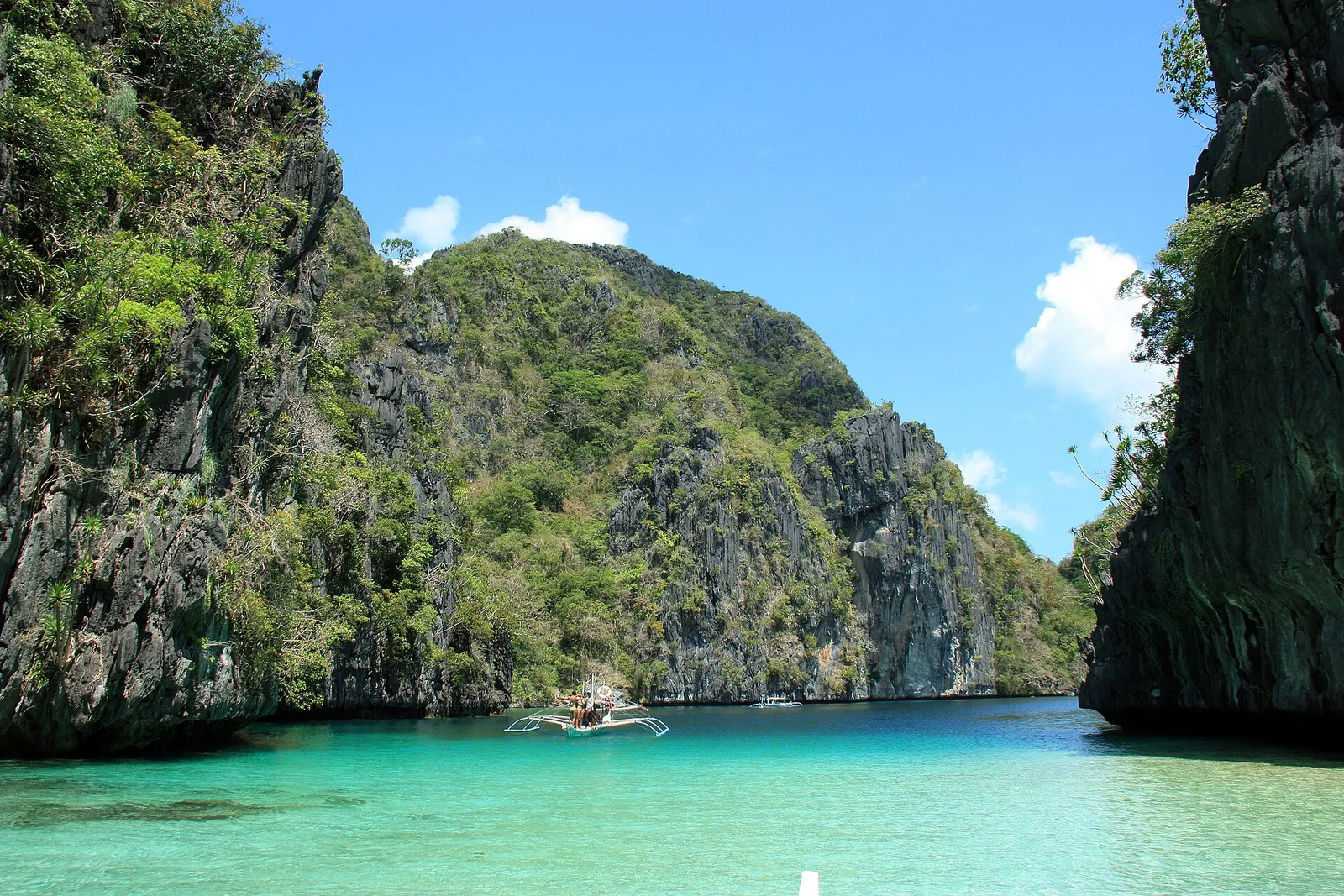
A shallow turquoise channel walled by cliffs, paddled by kayak on Tour A. It sits in the Bacuit archipelago, which the town is the entry point for. El Nido is a managed resource protected area, known for its limestone cliffs, …
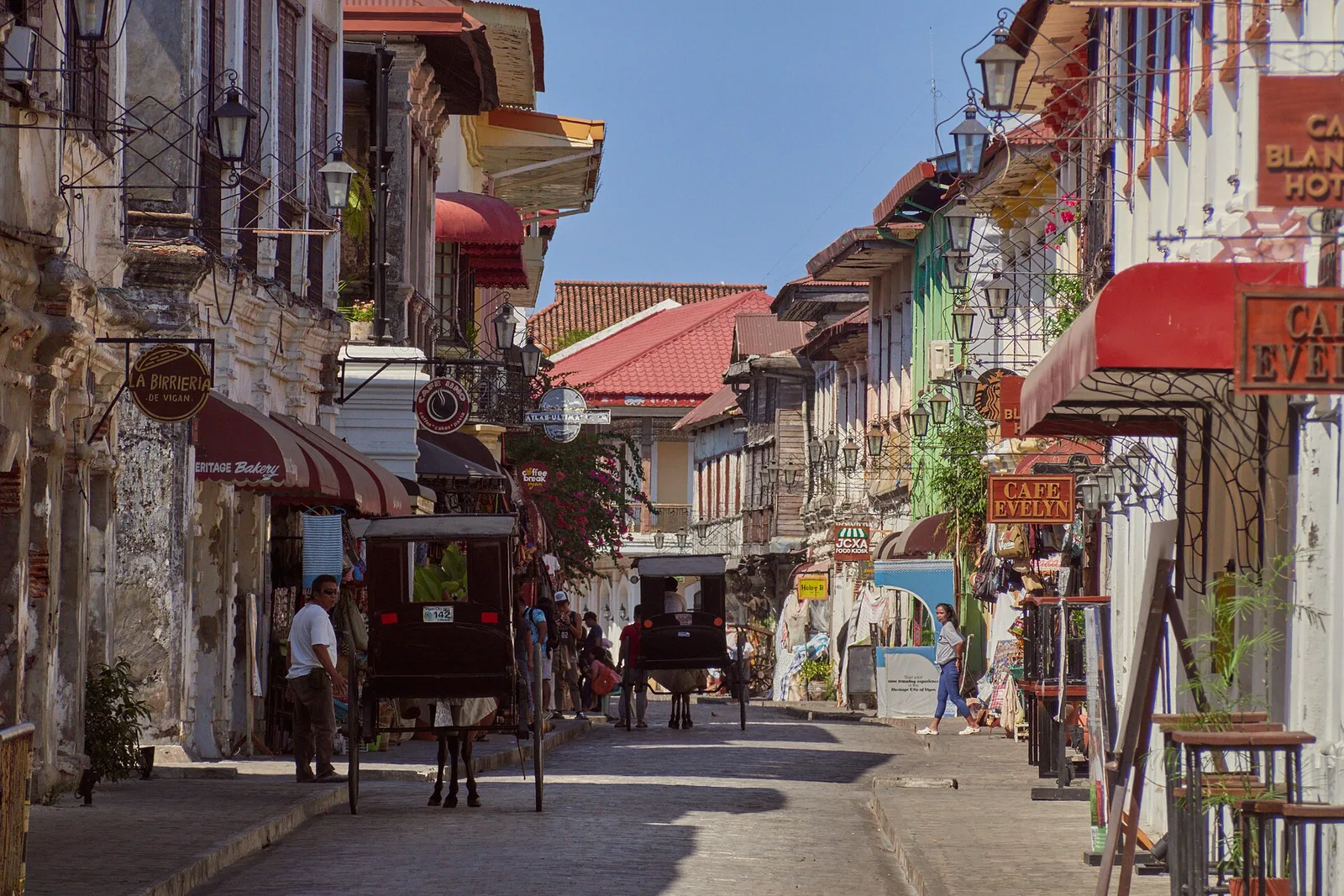
The cobbled street of ancestral houses, closed to cars, best walked early in the morning or after dark. It runs through the Mestizo District and is the best known part of the old town: sett paving, and houses with brick …
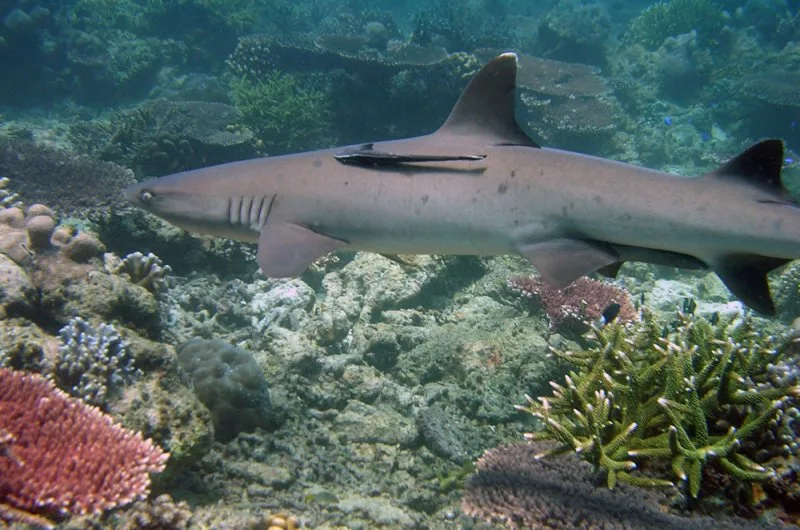
Two coral atolls and a smaller reef in the middle of the Sulu Sea, 150 kilometres southeast of Puerto Princesa. The park covers 97,030 hectares, and UNESCO listed it as a World Heritage Site in 1993. One wall of coral …
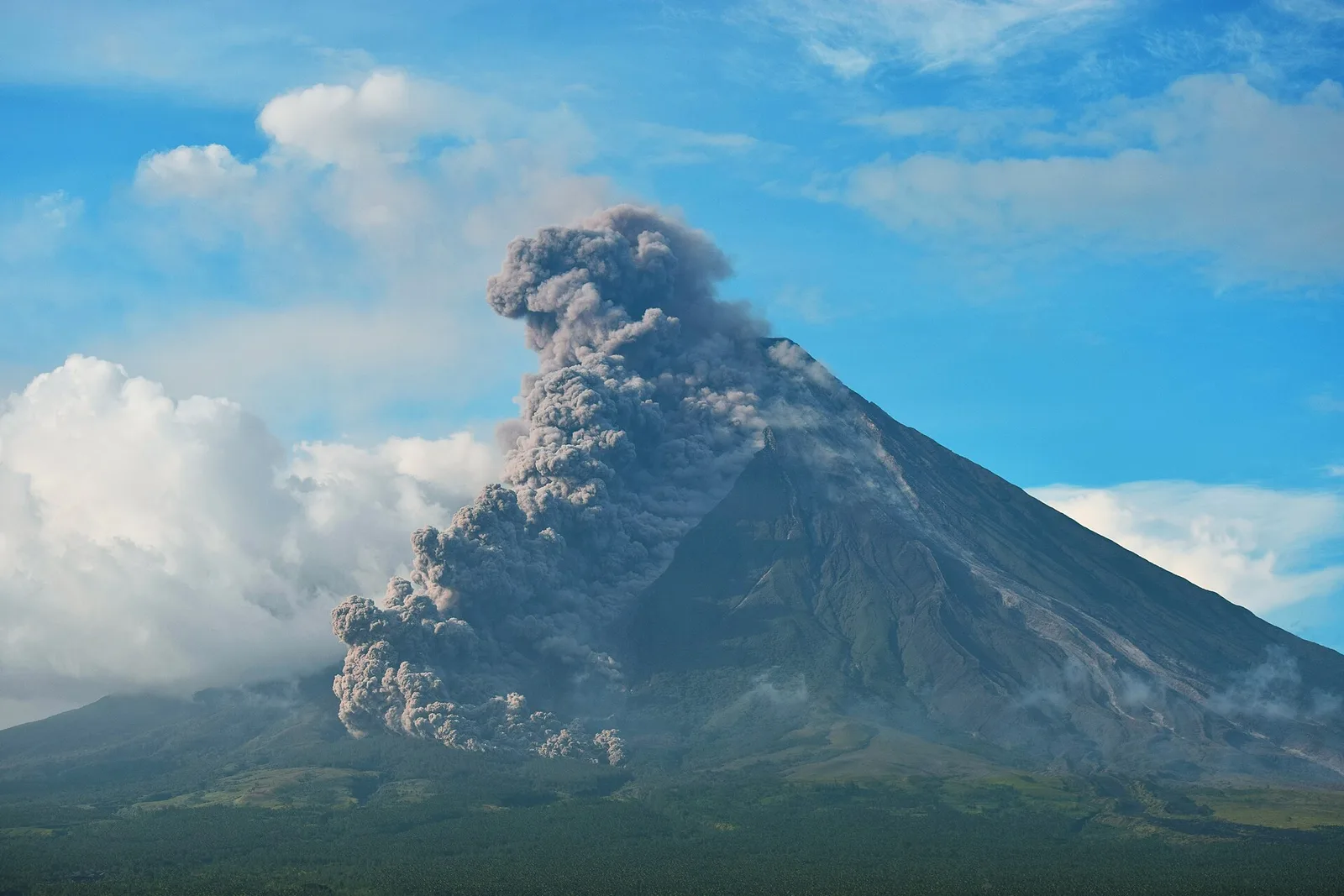
The most active volcano in the country, a stratovolcano with a symmetric cone. Philippine mythology holds it sacred. The volcano and the land around it became the first national park in the nation on July 20, 1938, and were reclassified …
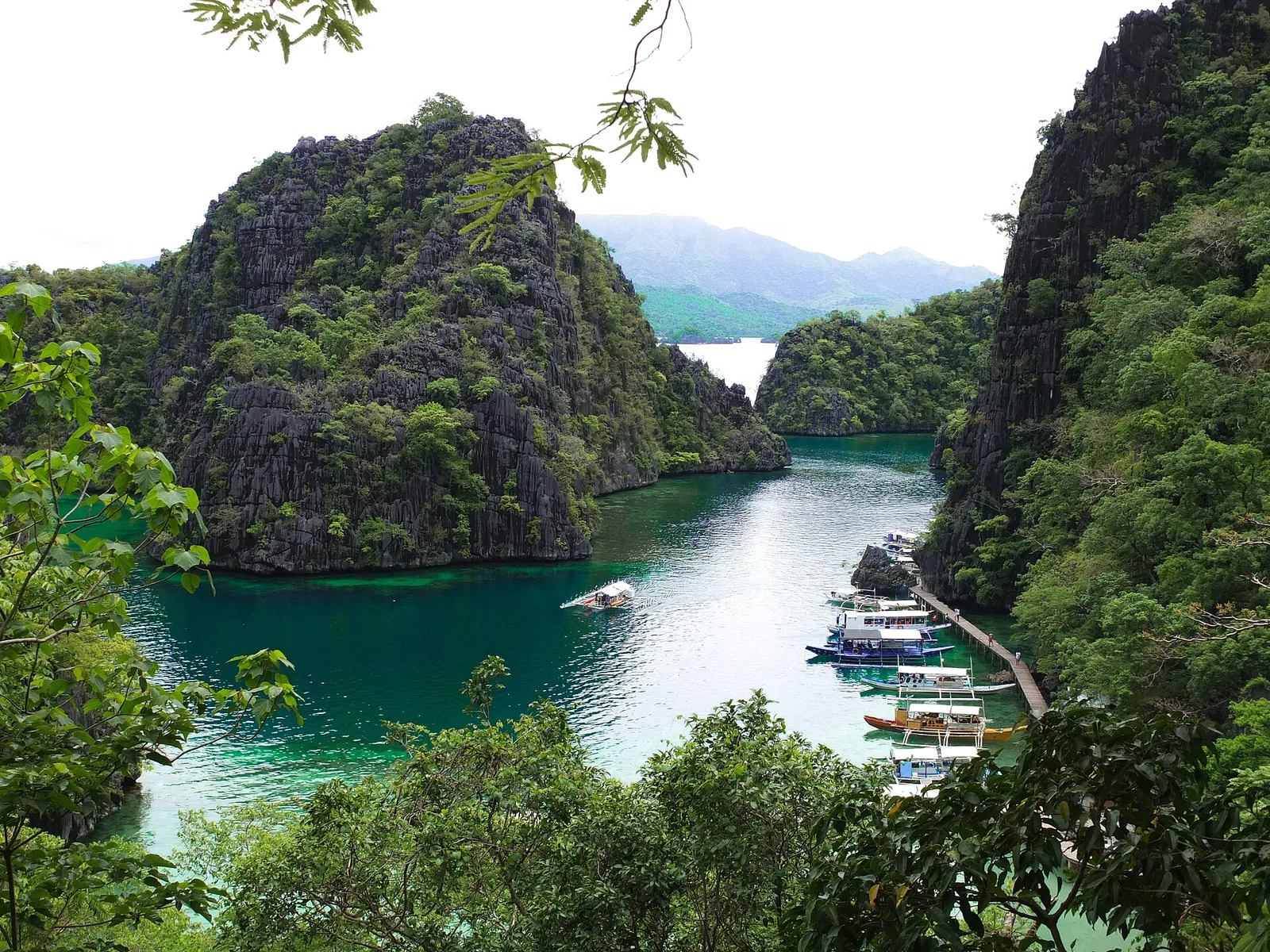
Often called the cleanest lake in the country, reached by a short climb over a ridge from the boat. The water is brackish, part fresh and part salt, and clear enough to show the rock formations and the fish from …
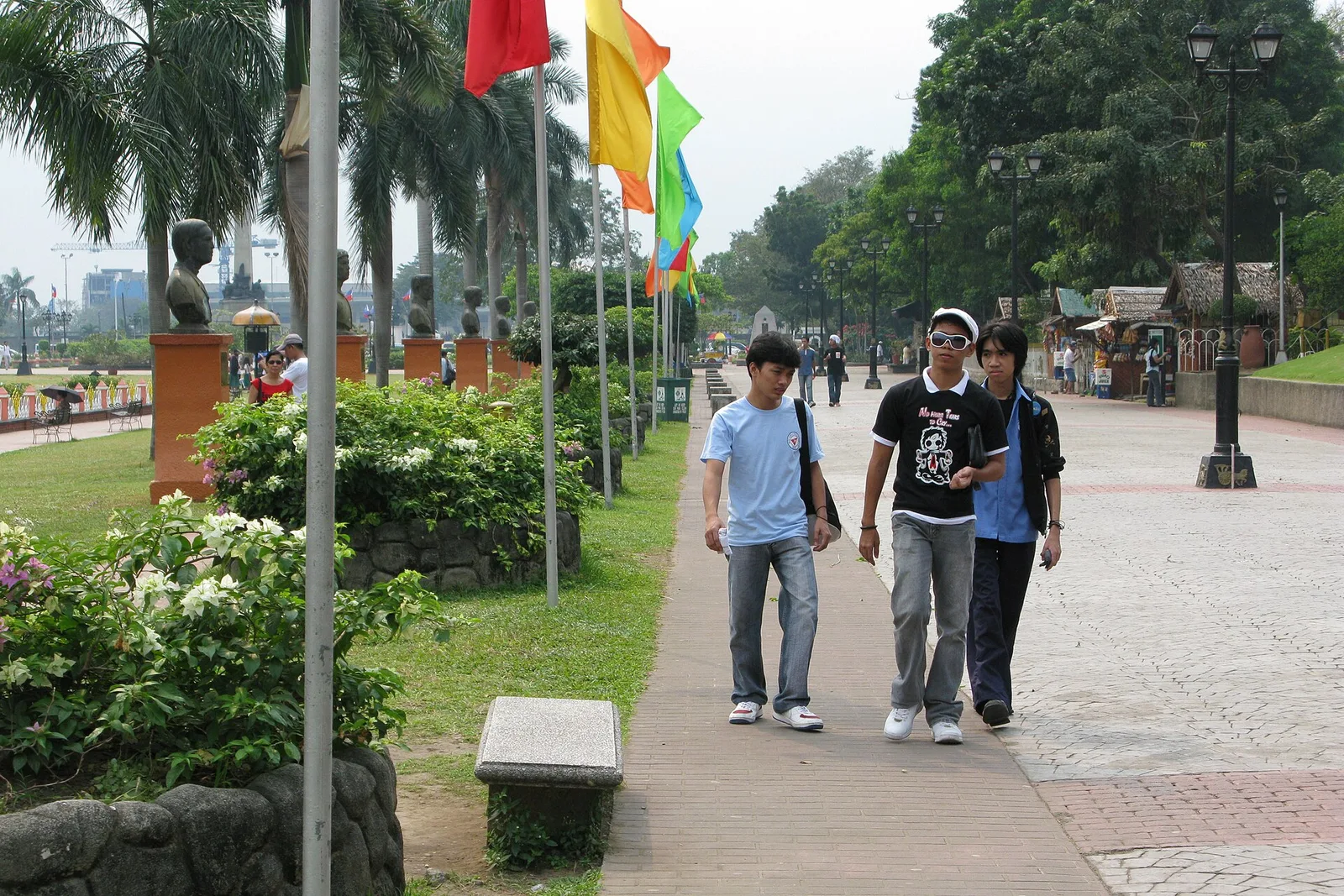
The park around the monument to José Rizal, where he was executed in 1896. It covers 58 hectares in Ermita, next to Intramuros and facing the eastern shore of Manila Bay. Rizal's remains lie in the stone base of the …
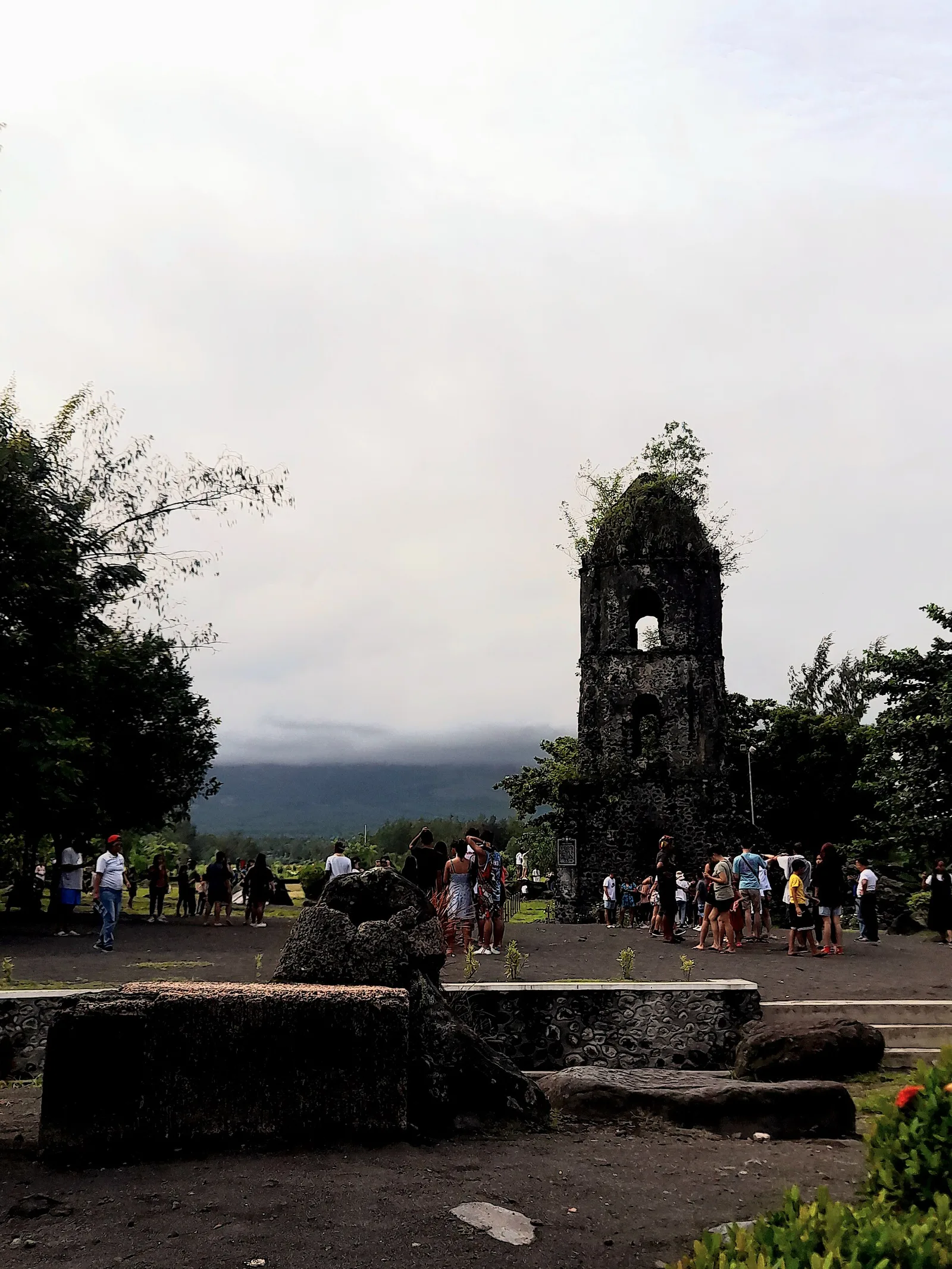
The bell tower left standing after the 1814 eruption buried the church, and the classic view of Mayon behind it. The Franciscans built the first church here in 1587, in the town of Cagsawa. Dutch pirates burned it in 1636, …
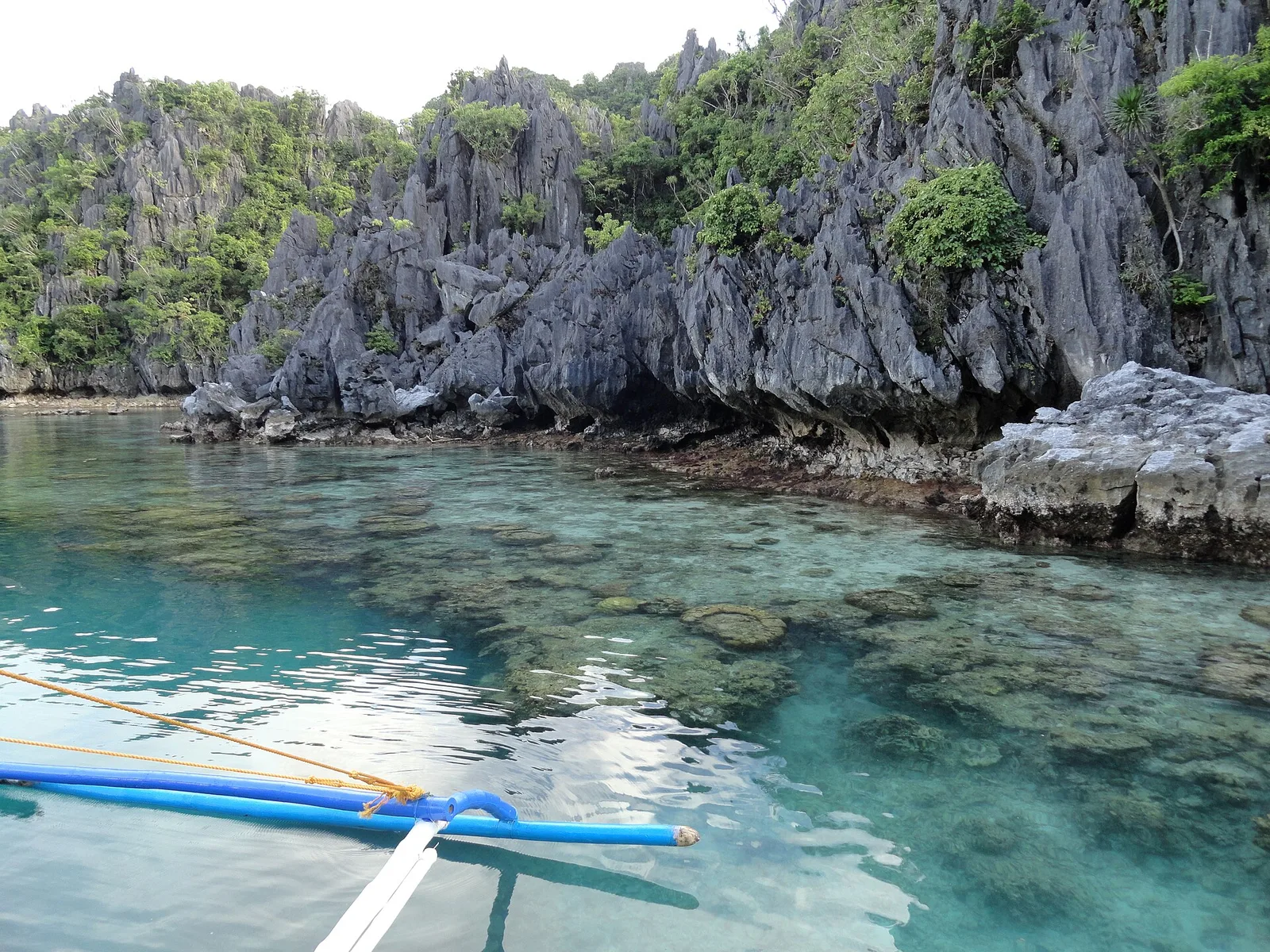
Reached through a gap in the rock, quieter and best early before the boats arrive.
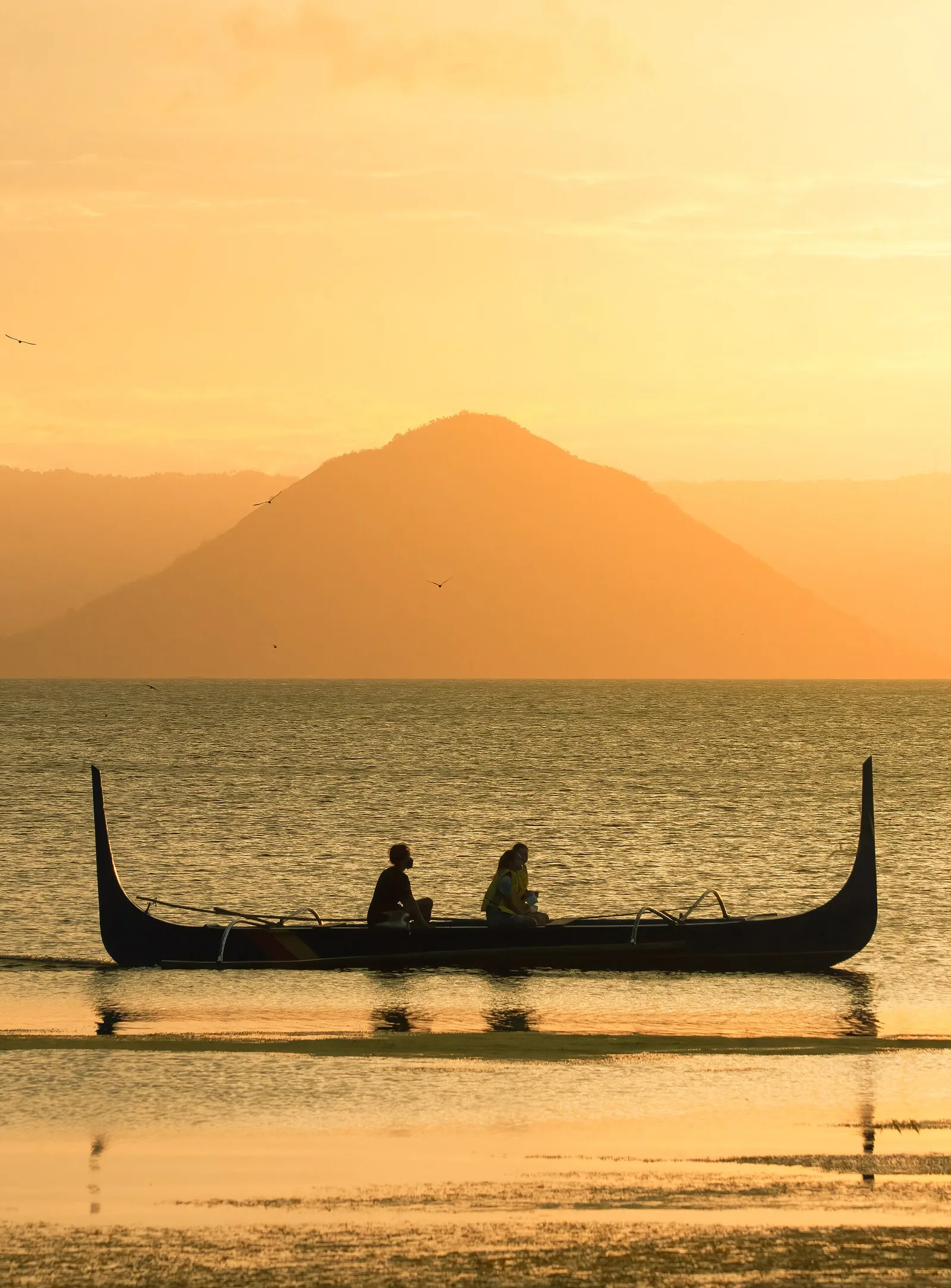
A large caldera filled by Taal Lake, and the second most active volcano in the country, with 39 confirmed historical eruptions. The eruptions centre on Volcano Island, near the middle of the lake. The caldera itself formed between about 670,000 …
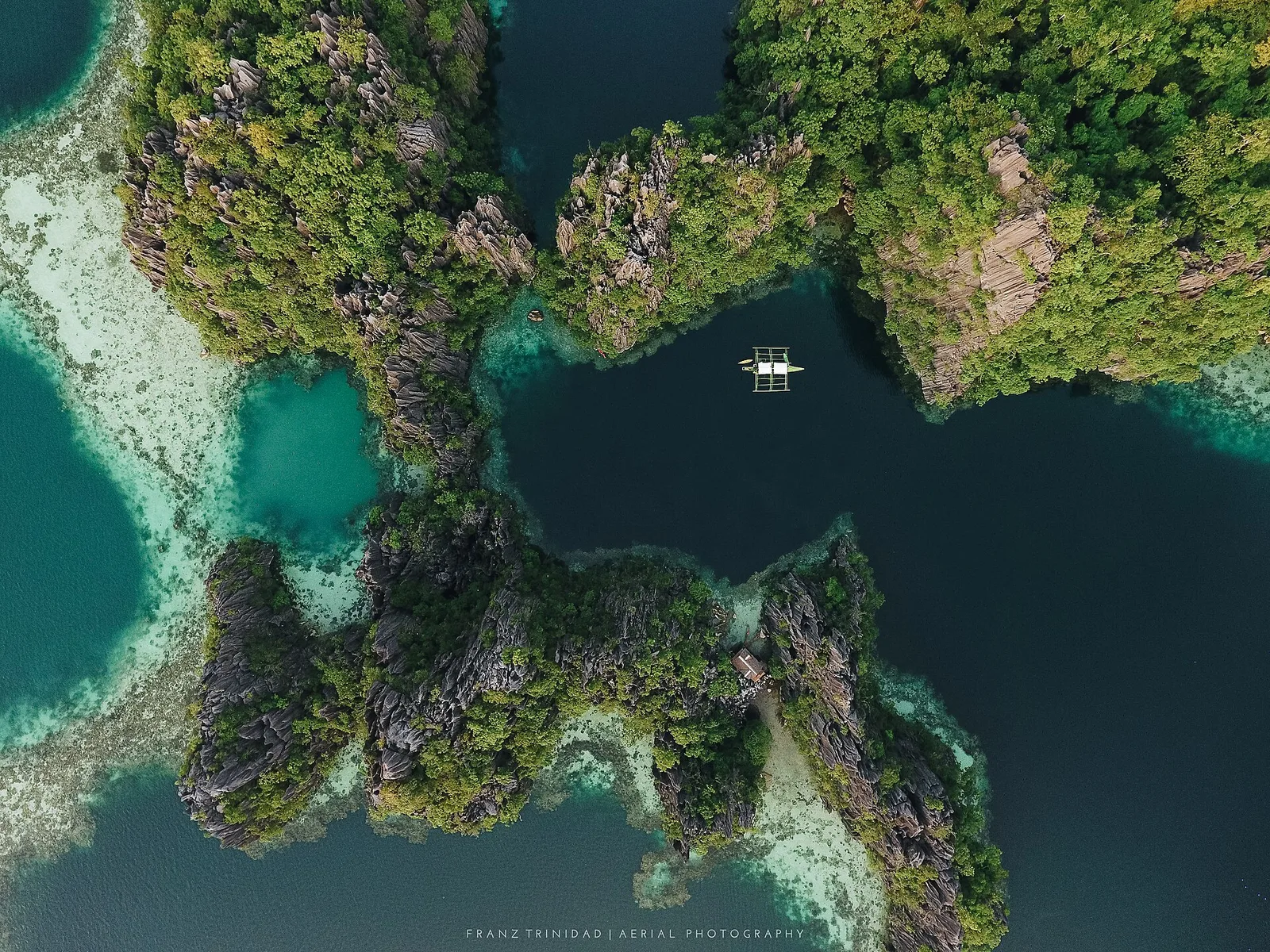
Two lagoons joined by a gap under the rock, where cold fresh water meets warm salt water.
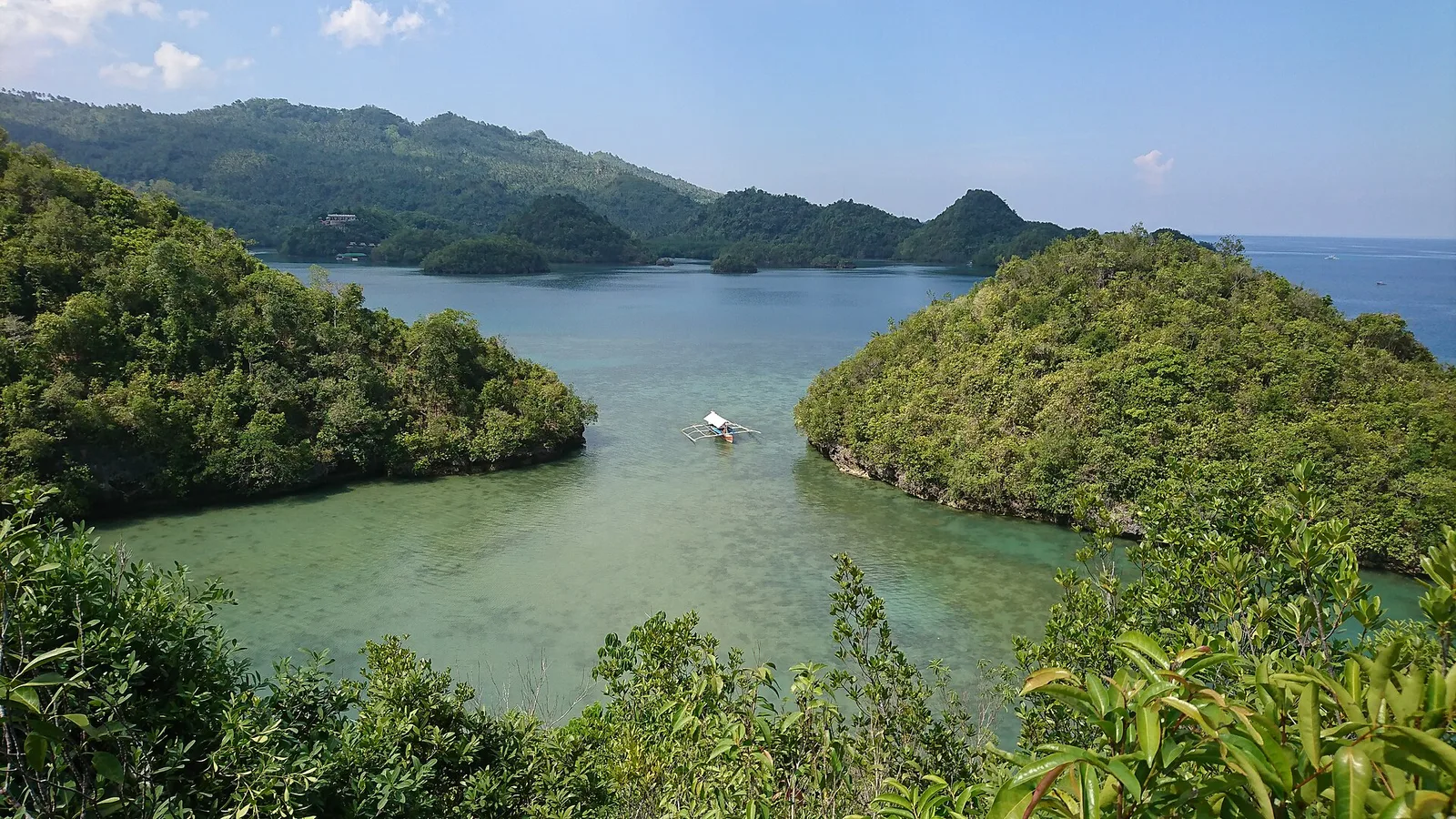
A group of islands in Lingayen Gulf off the coast of Barangay Lucap: 124 of them at low tide, and 123 when the tide is in. It was the first national park declared in the country and it covers 16.76 …
A planetarium and geology museum in barangay Buang, 854 metres above sea level at the foot of Mayon and inside the volcano's permanent danger zone of 6 kilometres. The single-storey building holds a library, a virtual room, a mini-museum and …
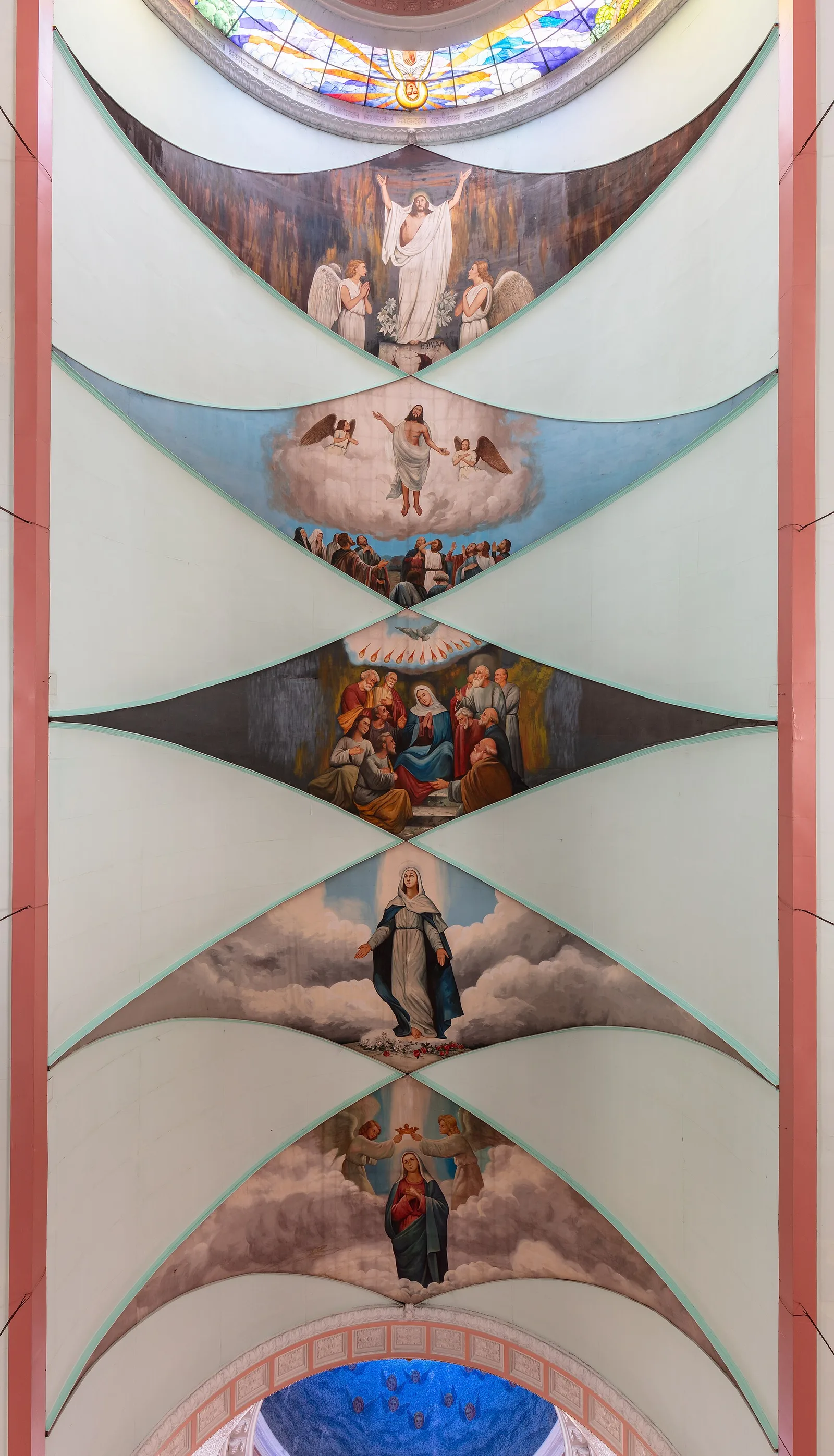
The oldest Chinatown in the world, best walked at lunchtime for dumplings, noodles and hopia. The Spaniards laid it out in 1594 across the Pasig River from Intramuros, as a settlement for Catholic Chinese that the colonial government could keep …
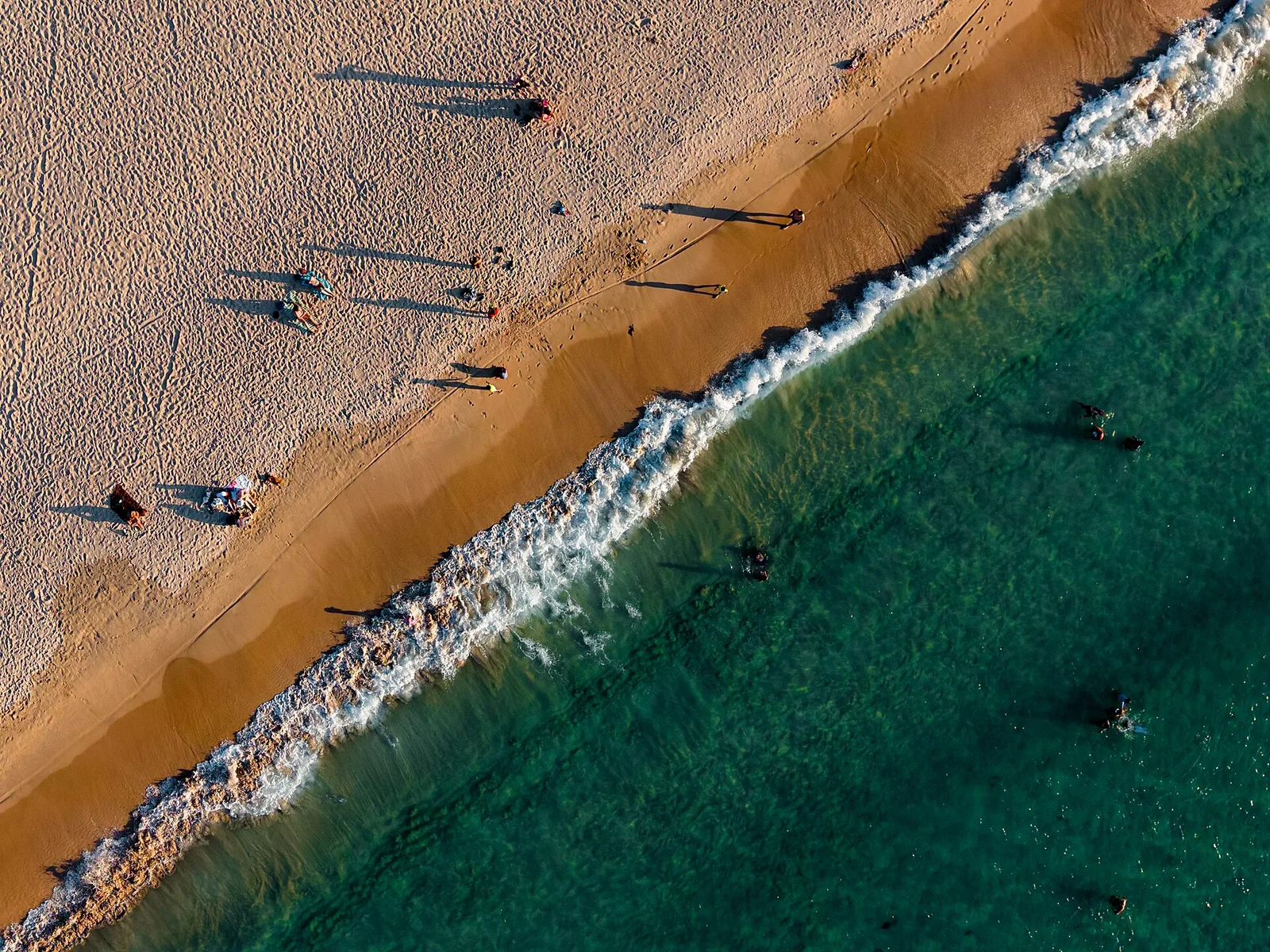
A four-kilometre stretch of sand north of town, reached by tricycle or motorbike.
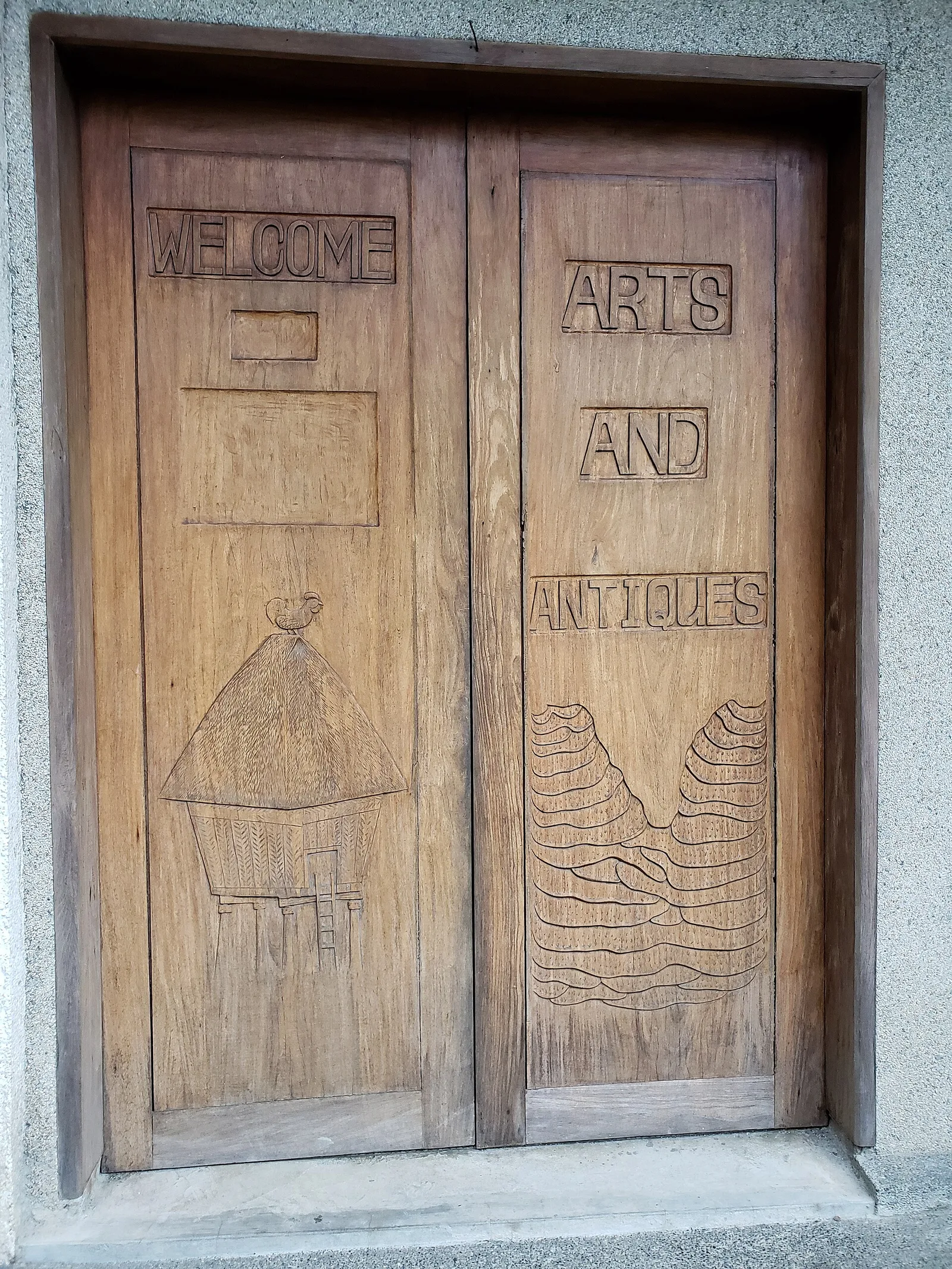
A small collection of Ifugao carvings, textiles and photographs from the Beyer family.
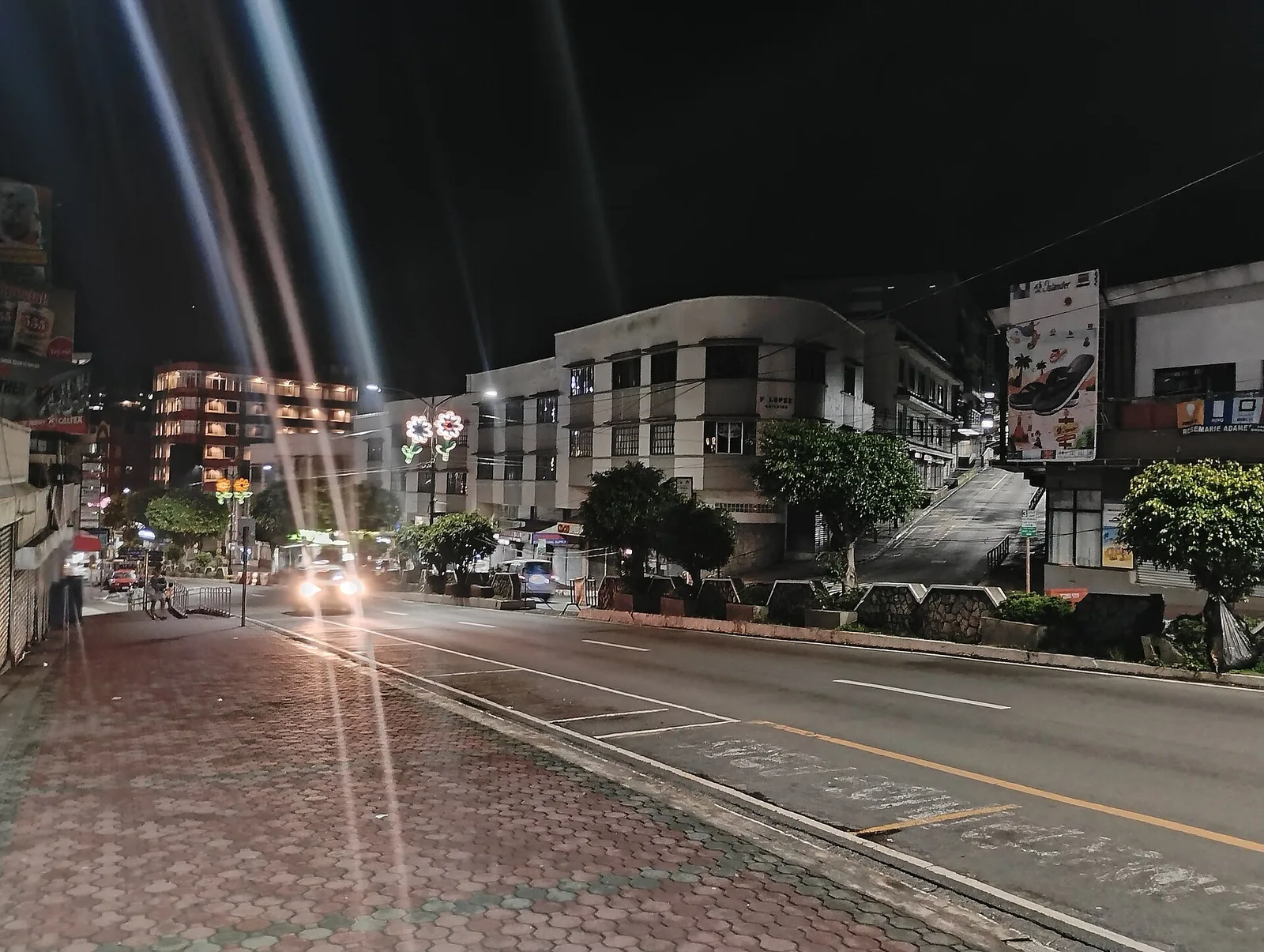
The main street, lined with bakeries and bookshops. It closes to cars on Sundays and fills with stalls and buskers. The road runs 1.7 kilometres through the middle of the city, six lanes wide, and on open days it carries …
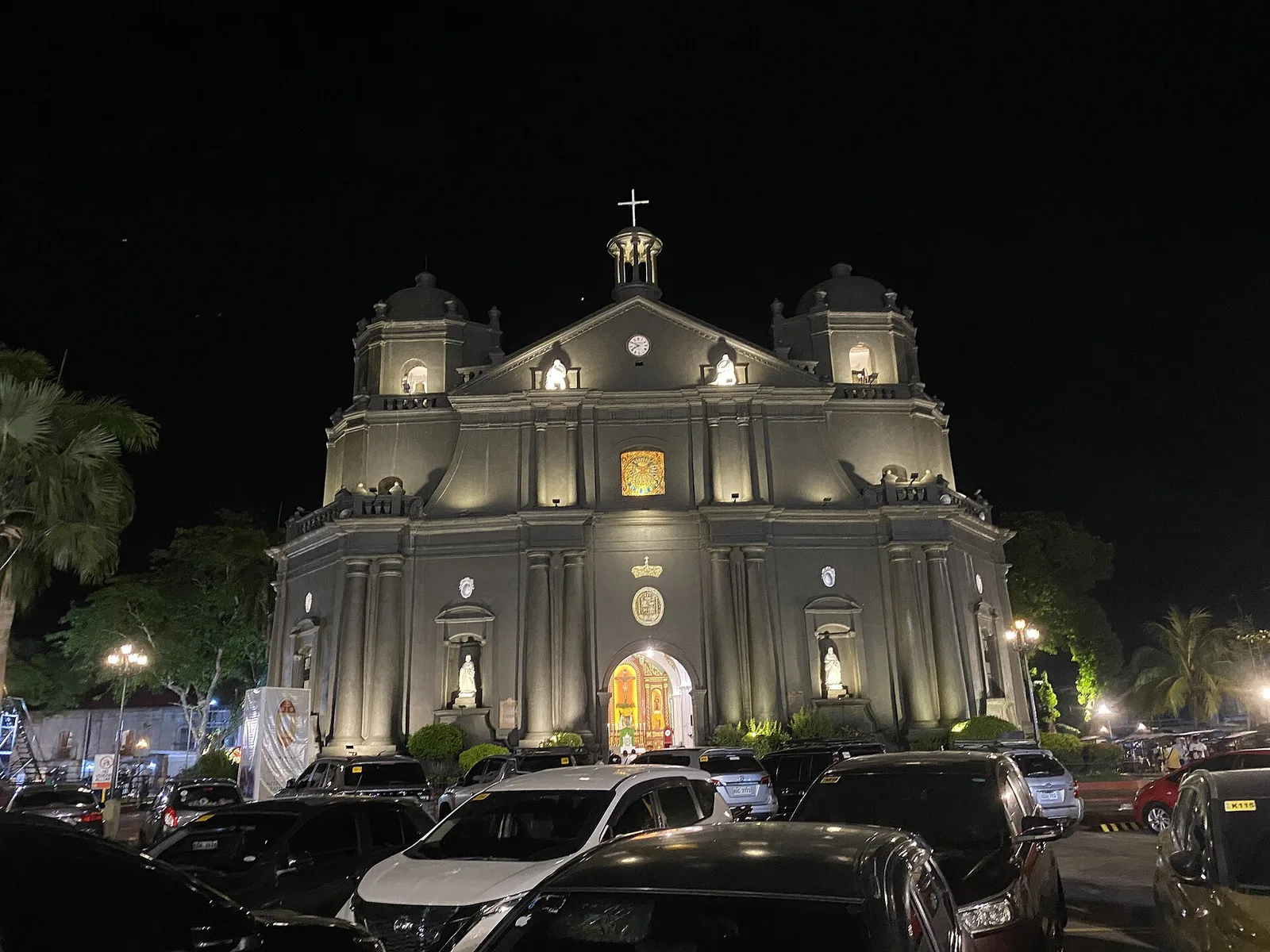
The seat of the Archdiocese of Caceres, dedicated to Saint John the Evangelist. The first church here followed the creation of the diocese of Nueva Caceres in 1595, and fire destroyed it in 1768. Work on the present building started …
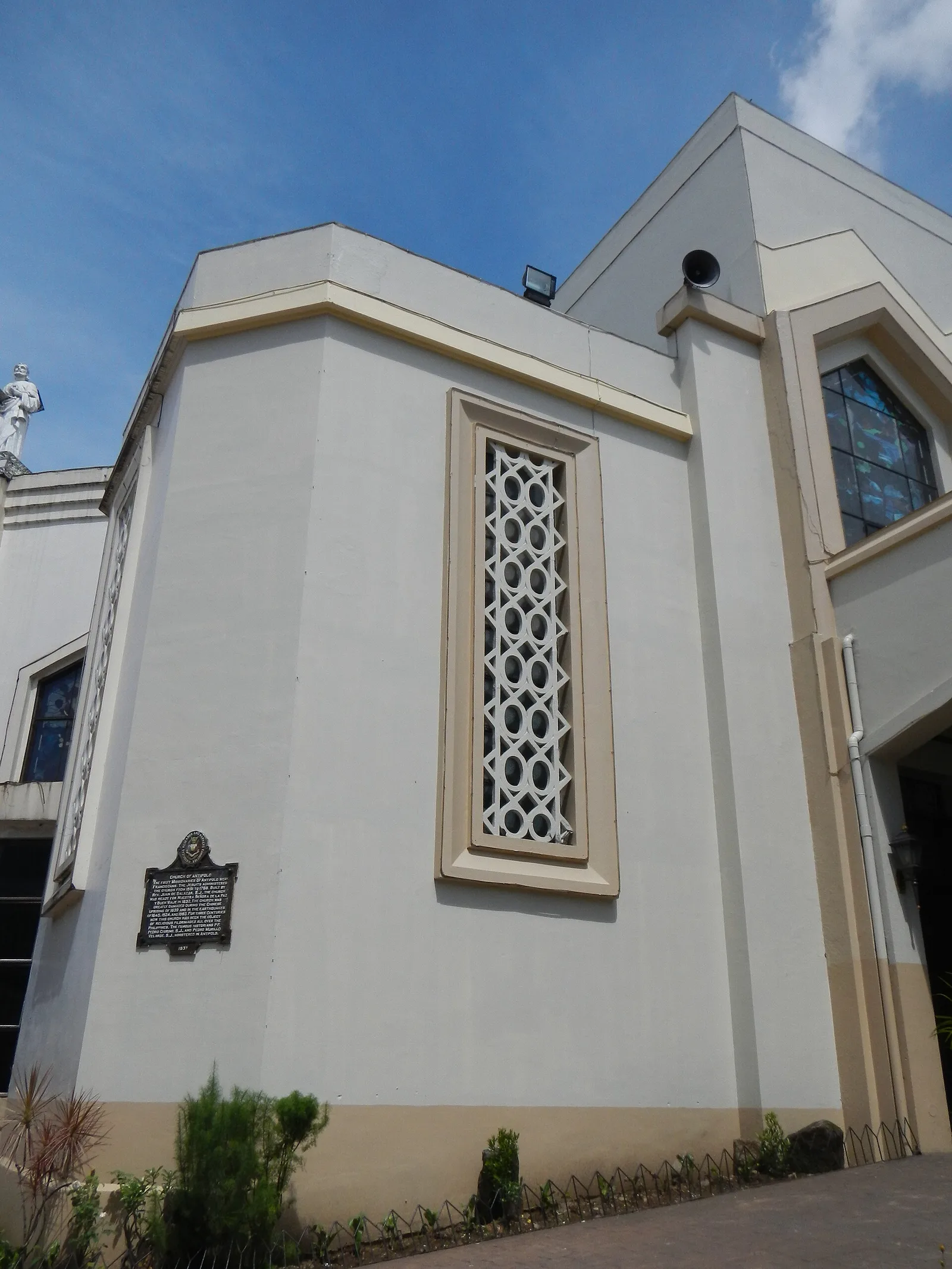
The seat of the Bishop of Antipolo and the shrine of a Black Madonna that draws millions of pilgrims each year. The image carries the title Our Lady of Peace and Good Voyage, and the church is also called the …
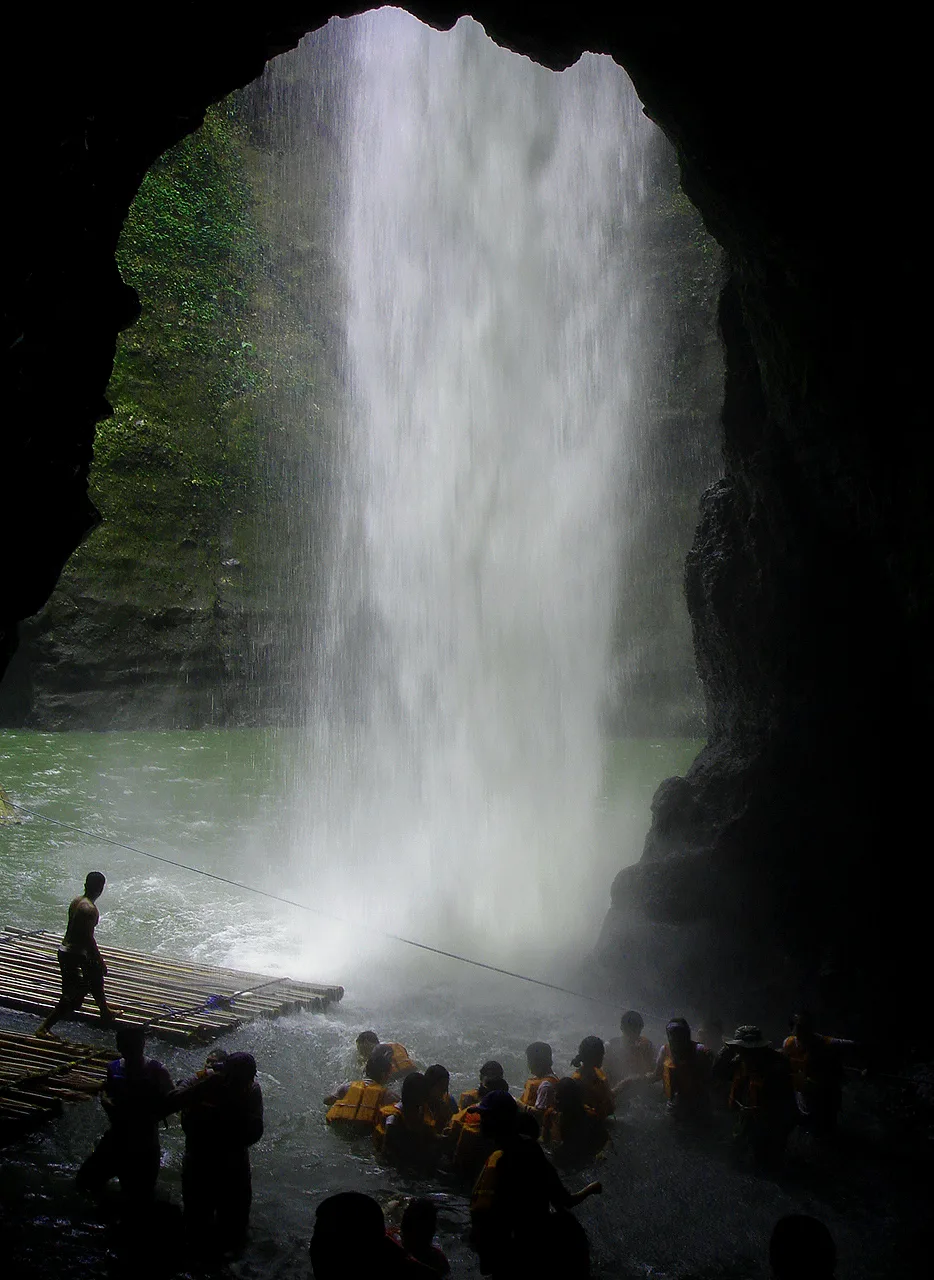
A three-drop waterfall, reached by a river trip on a dugout canoe that is known locally as "Shooting the Rapids". The trip starts at Pagsanjan, the town where the Balanac River and the Bumbungan River meet. That boat ride has …
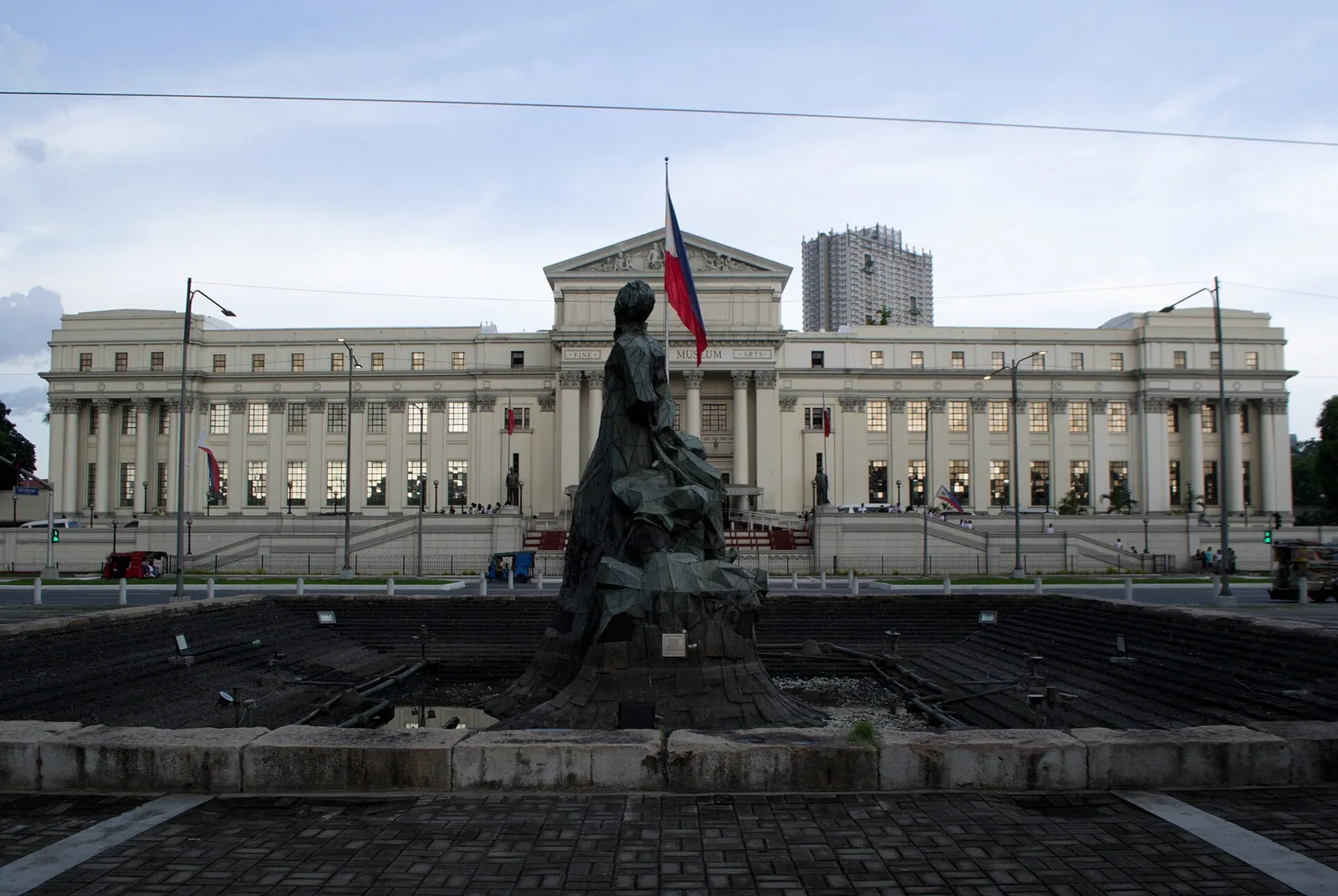
Free to enter, built as the old legislature, and home to Juan Luna's Spoliarium. The neoclassical building was finished in 1921 and held the Congress of the Philippines from 1926 to 1972 and the Senate from 1987 to 1997. It …
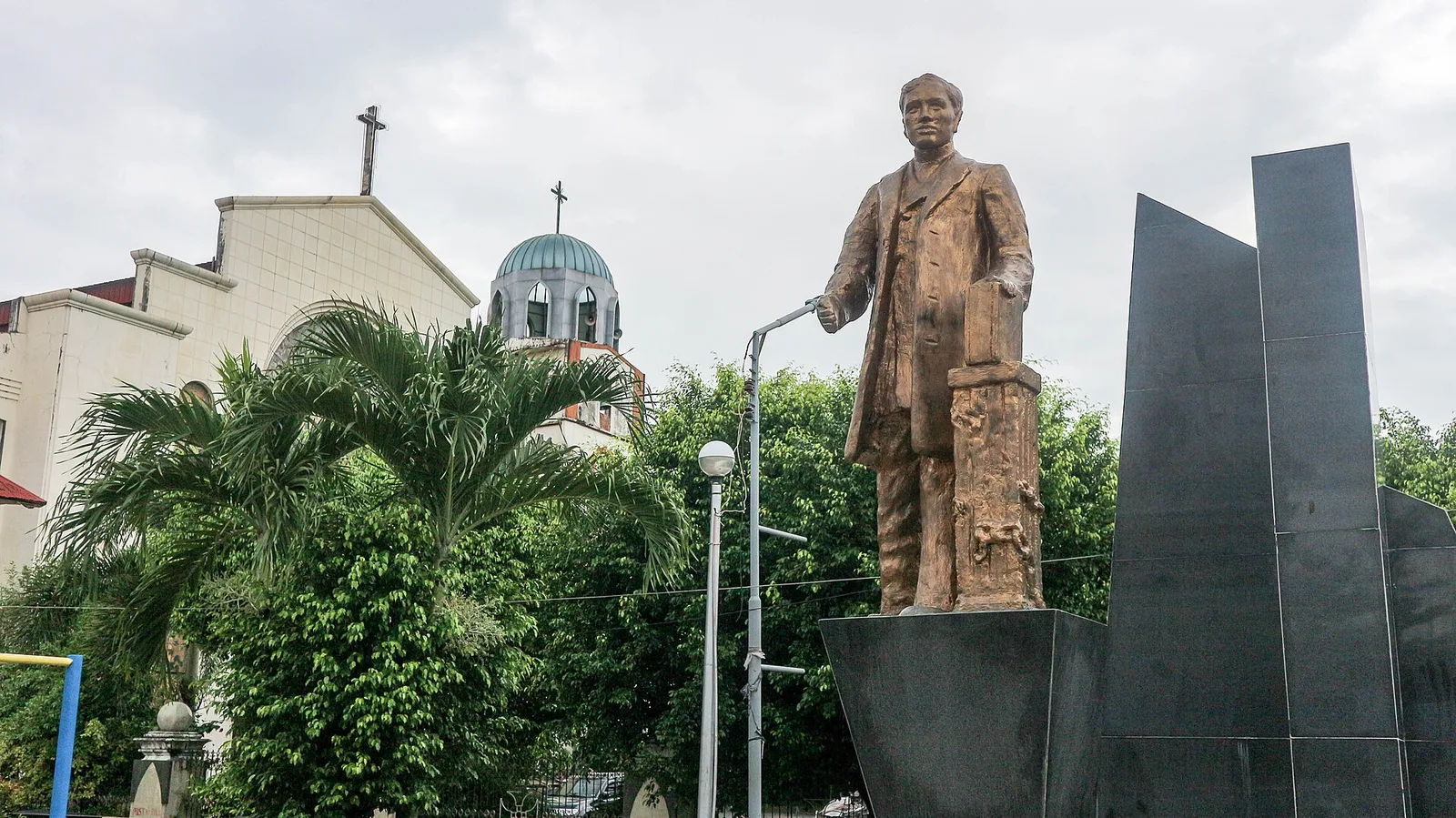
True to its name, the park contains a statue of the iconic Filipino freedom fighter.
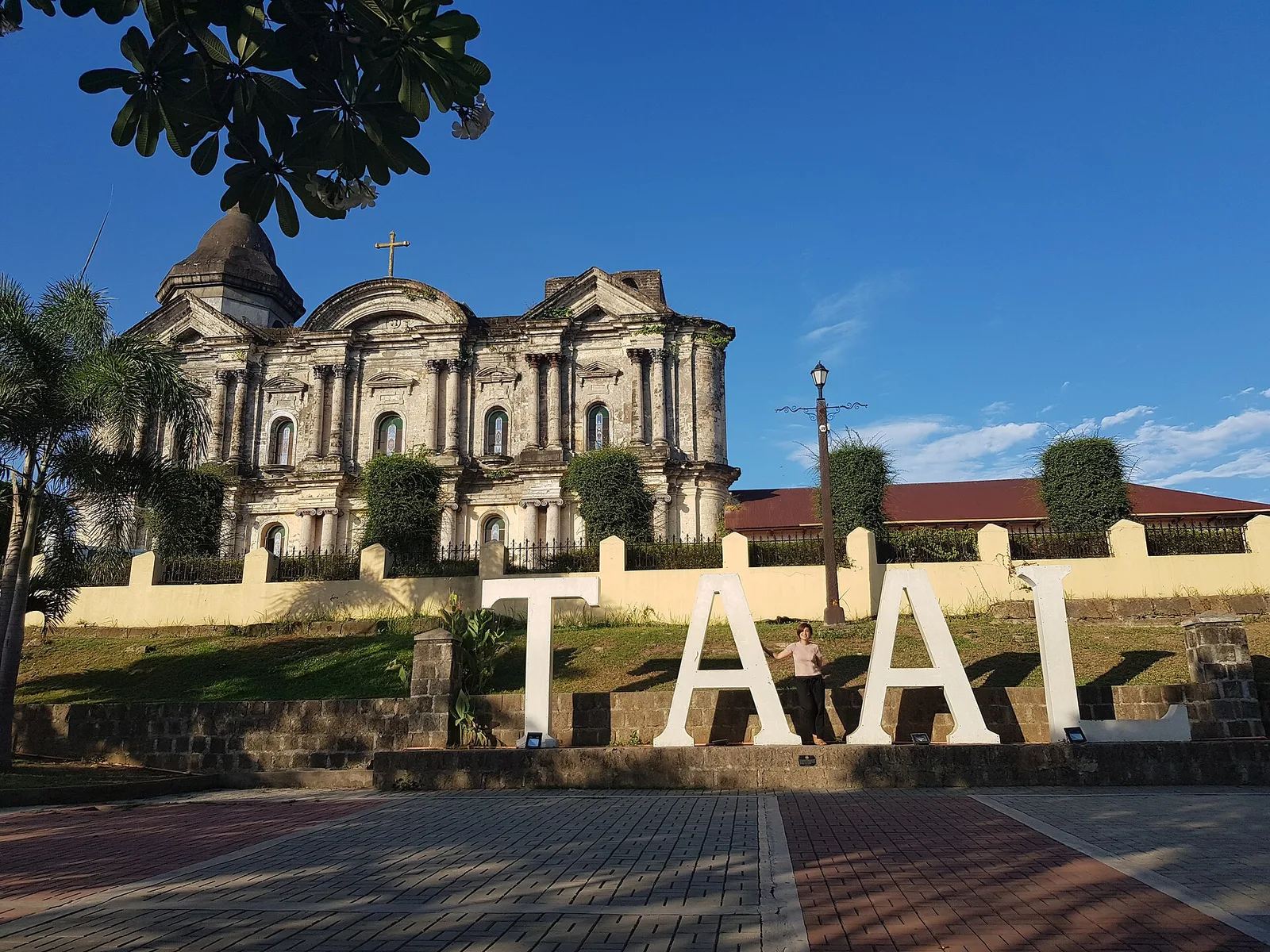
A vast 1856 church on the hill above the plaza, often called the largest Catholic church in Asia. It measures 88.6 metres long and 48 metres wide, and it is the largest Augustinian church. Saint Martin of Tours is the …
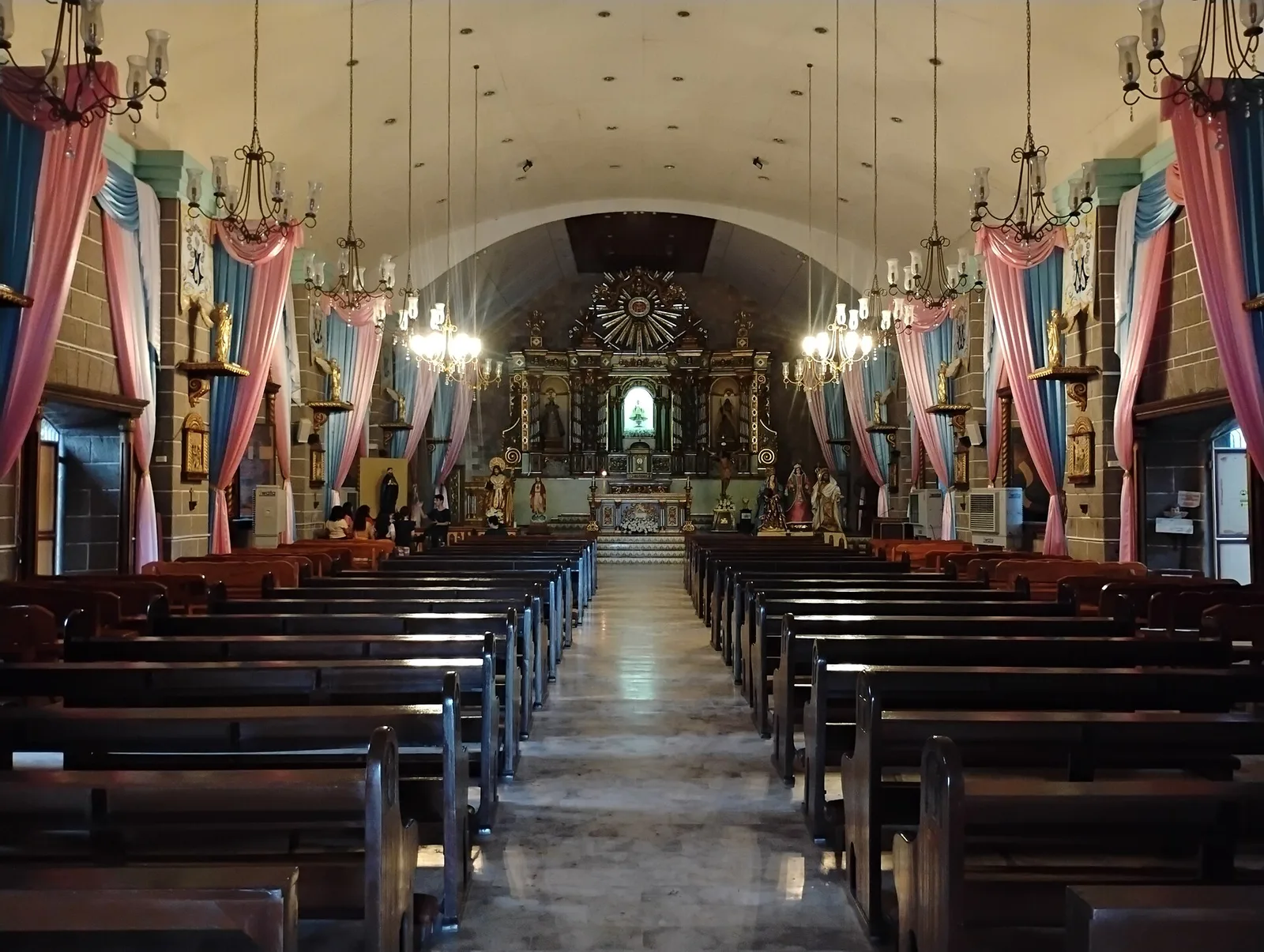
Ternate's main Roman Catholic church. It was built in the 19th century and houses a venerated image of the Christ Child.