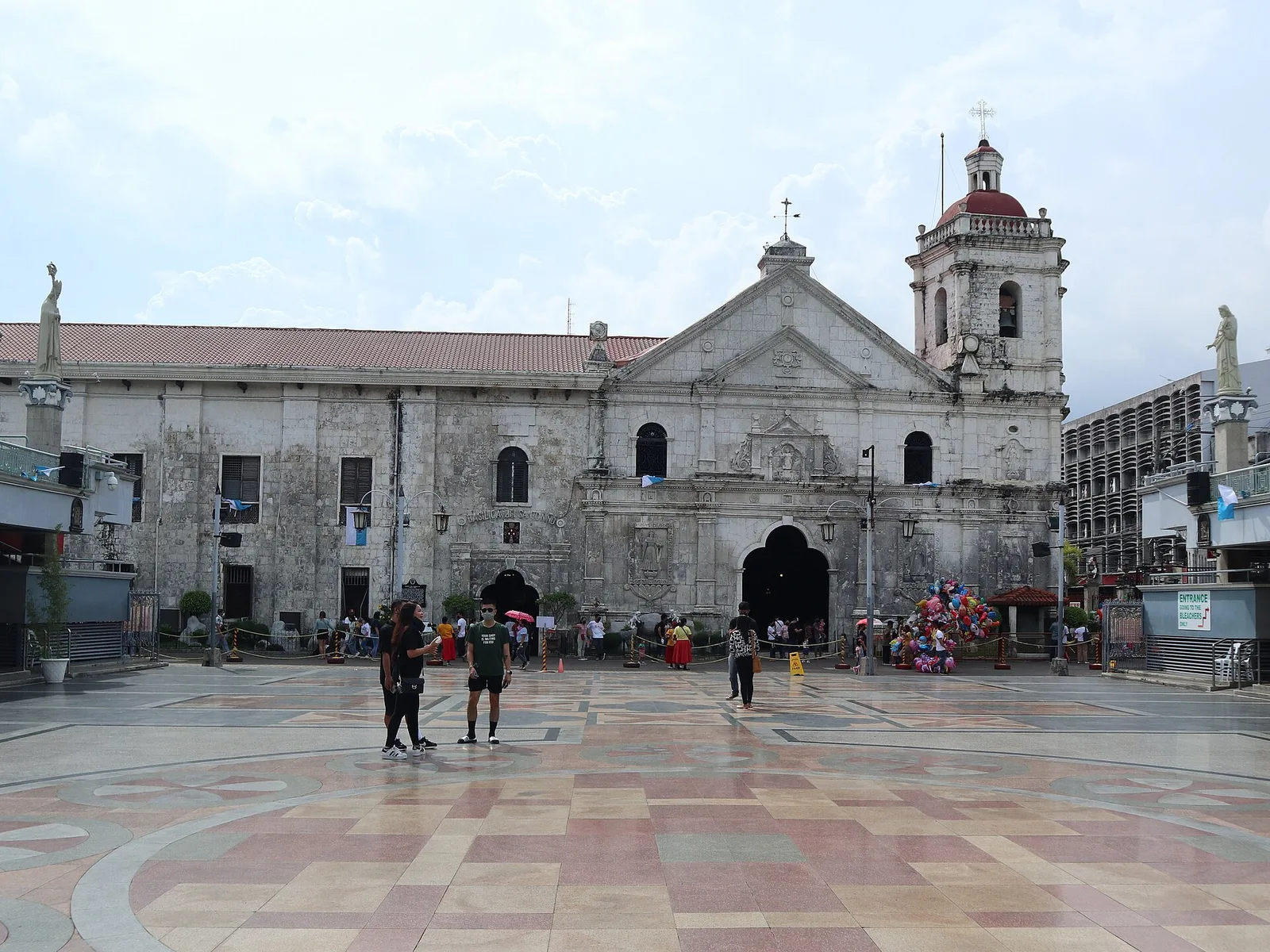
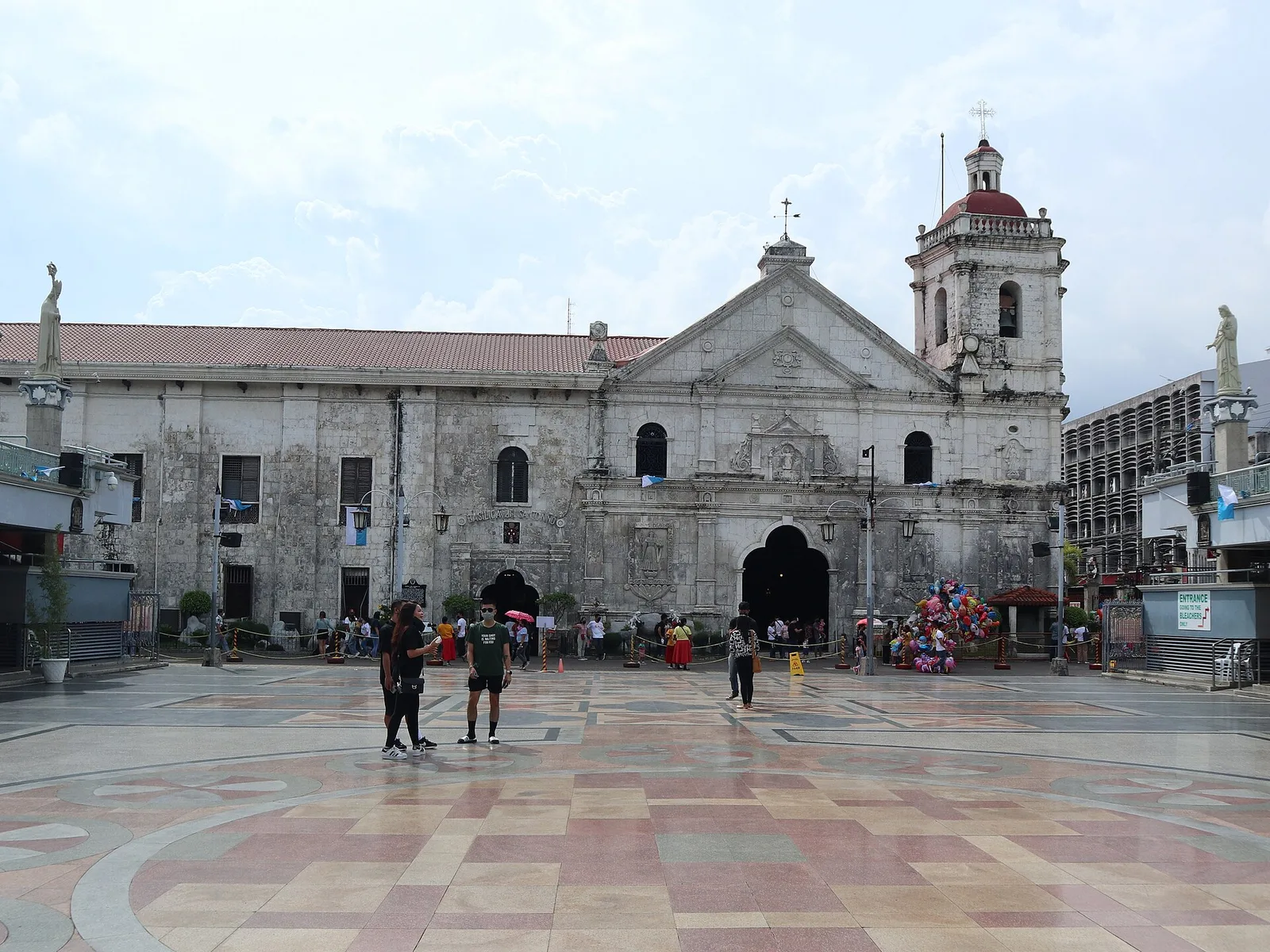
Basilica Minore del Santo Niño
Home of the Santo Niño image that Magellan gave to the chief consort of Rajah Humabon at their baptism in 1521, and the focus of the Sinulog every January. Augustinian friars founded the church in 1565 and it is the …
Island group · 4 regions
Home of the Santo Niño image that Magellan gave to the chief consort of Rajah Humabon at their baptism in 1521, and the focus of the Sinulog every January. Augustinian friars founded the church in 1565 and it is the …
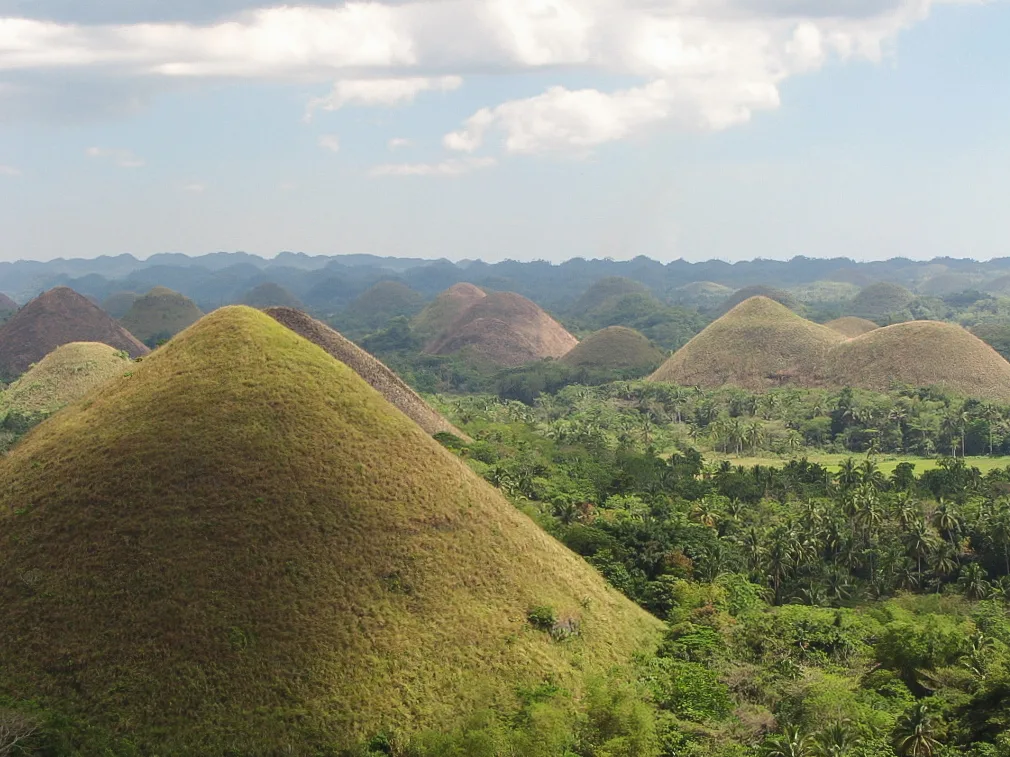
Over a thousand grass-covered limestone mounds that turn brown in the dry season, seen from the deck at Carmen. Counts run from 1,260 hills to more than 1,776, scattered across the towns of Carmen, Batuan and Sagbayan over more than …
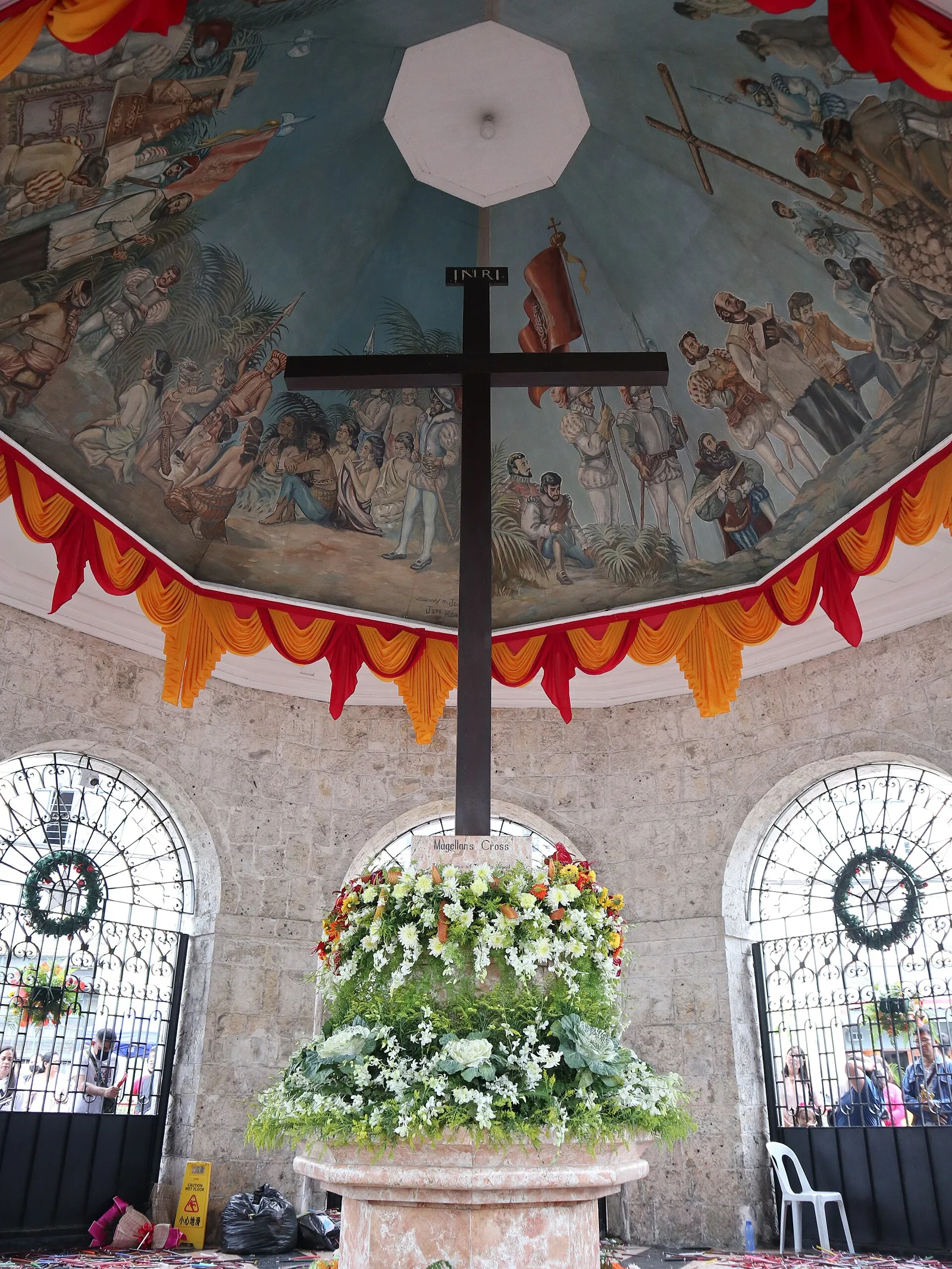
A wooden cross in a stone kiosk, marking where the first Cebuanos were baptised in 1521. Magellan's men planted it when the first voyage around the world reached Cebu on 21 April 1521. In 1835 Bishop Santos Gómez Marañon had …
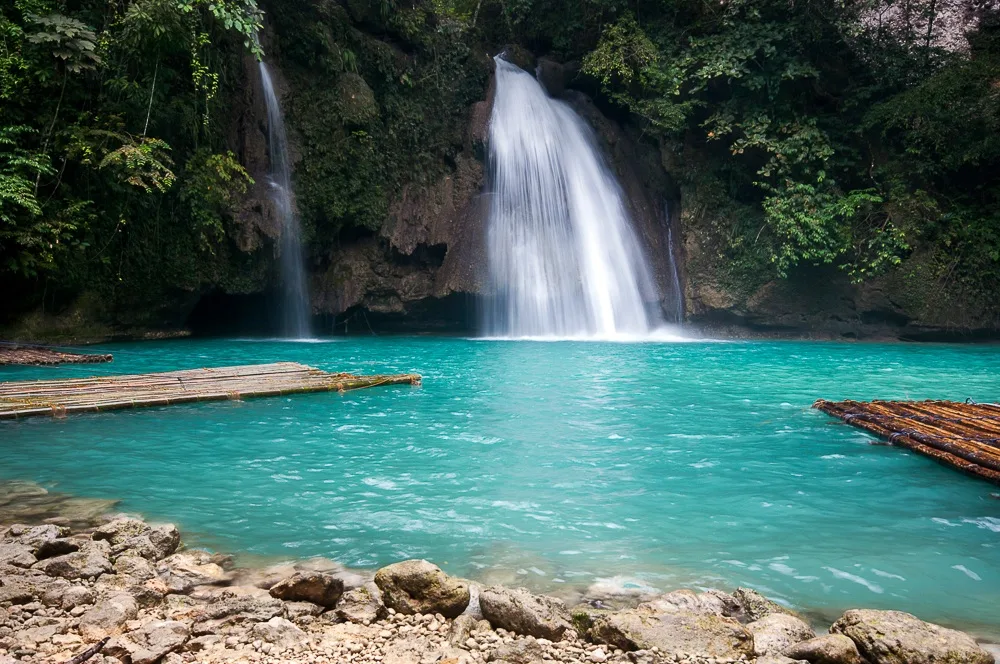
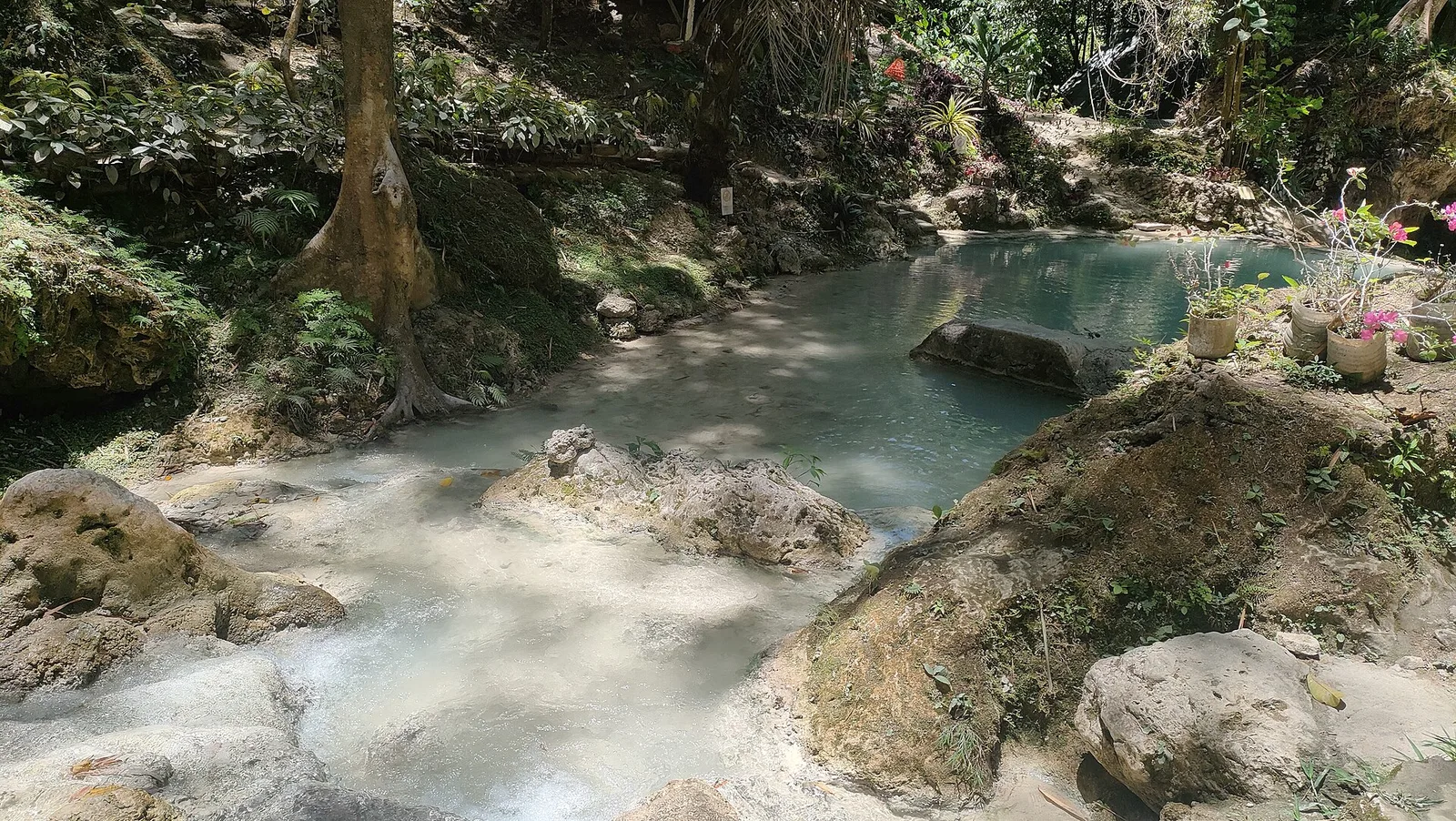
A three-stage cascade of turquoise water in the jungle of Cebu island. The largest fall drops about 40 metres, and the smaller cascades below it end in pools that people swim in. The water rises at the Kabukalan Spring and …
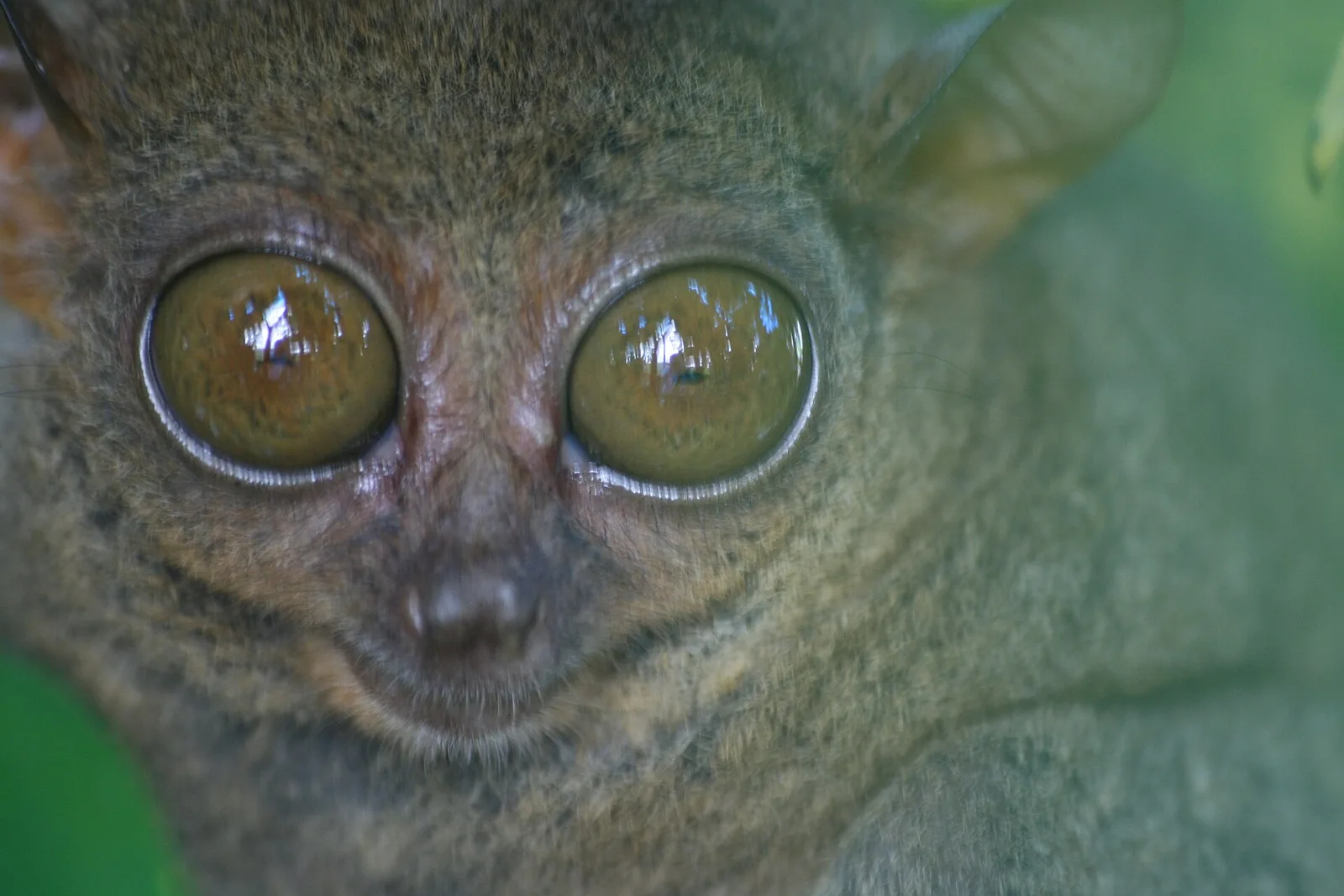
A quiet forest sanctuary in Corella where tarsiers are viewed at a distance, without flash or noise. An adult is about the size of a human fist, 85 to 160 millimetres tall, and one of the smallest primates. Its eyes …
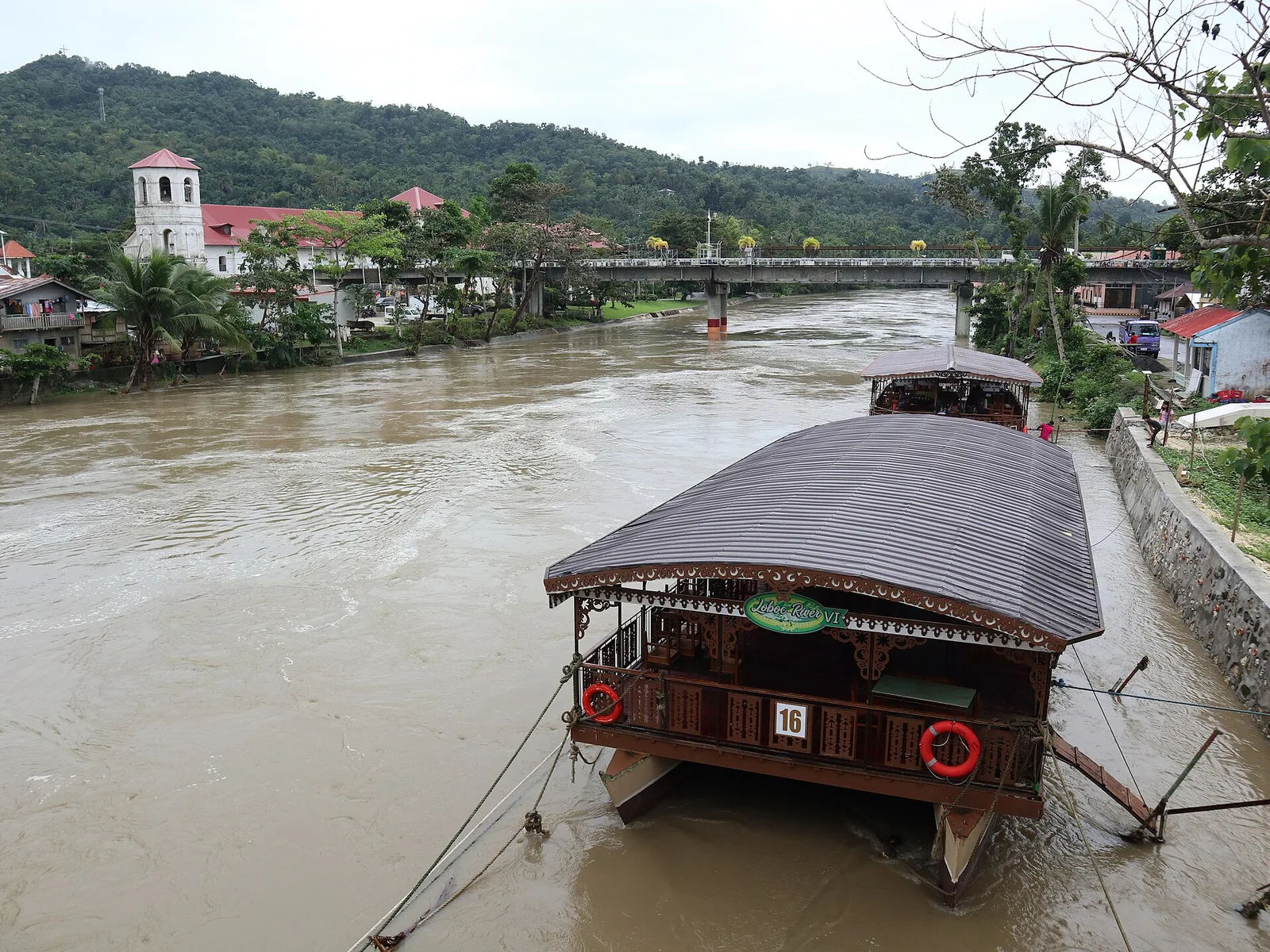
A lunch raft up a green river, with a stop for music from a riverside choir. The boat passes the town centre of Loboc, where the church stands across the highway from the water, and turns upriver towards Busay falls. …
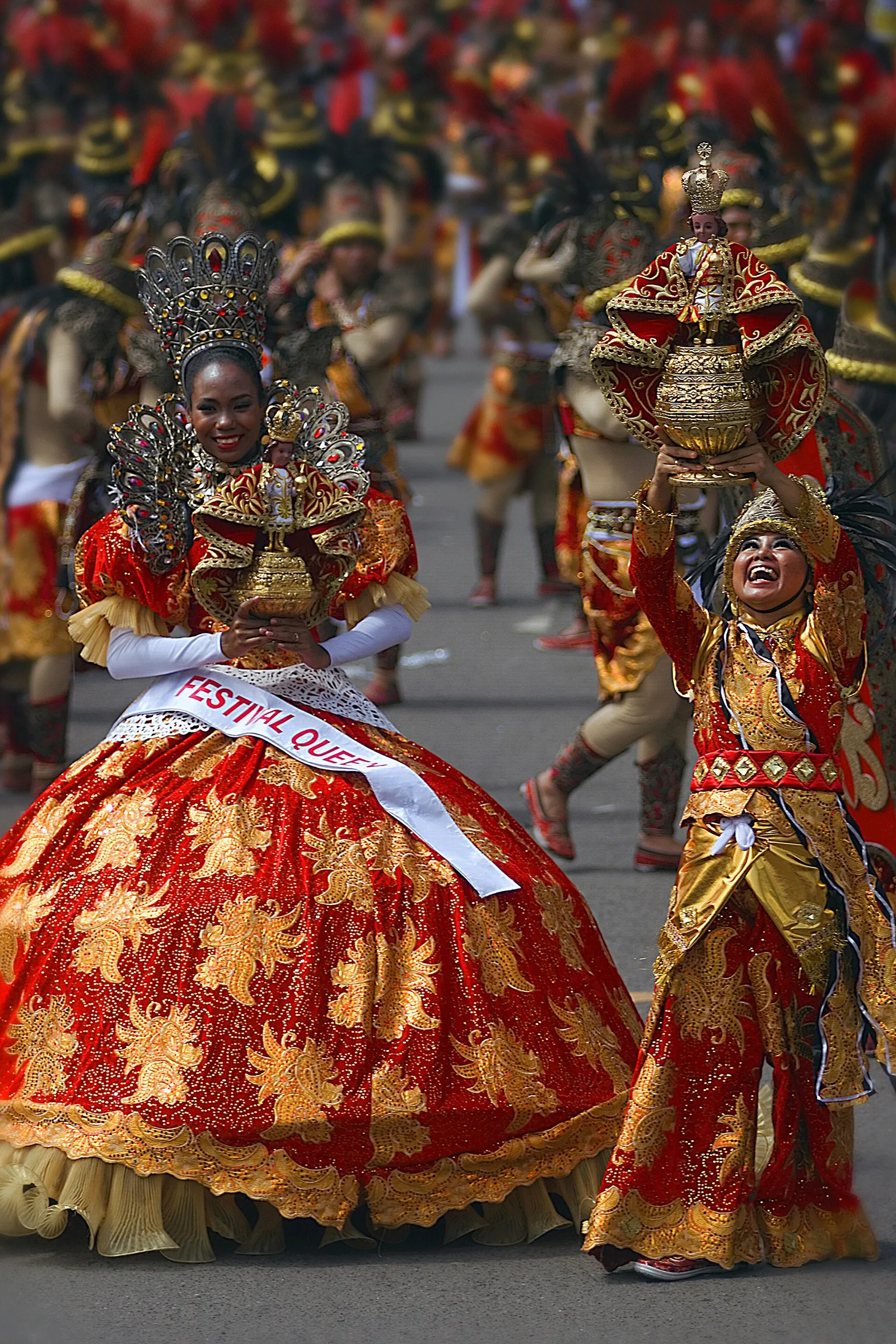
The novena to the Santo Niño opened at the basilica on 9 January. The grand parade filled the Cebu City Sports Center on Sunday 18 January, and the grand finale closed it that evening.
Photo: Ranieljosecastaneda · Wikimedia Commons, CC BY-SA 4.0
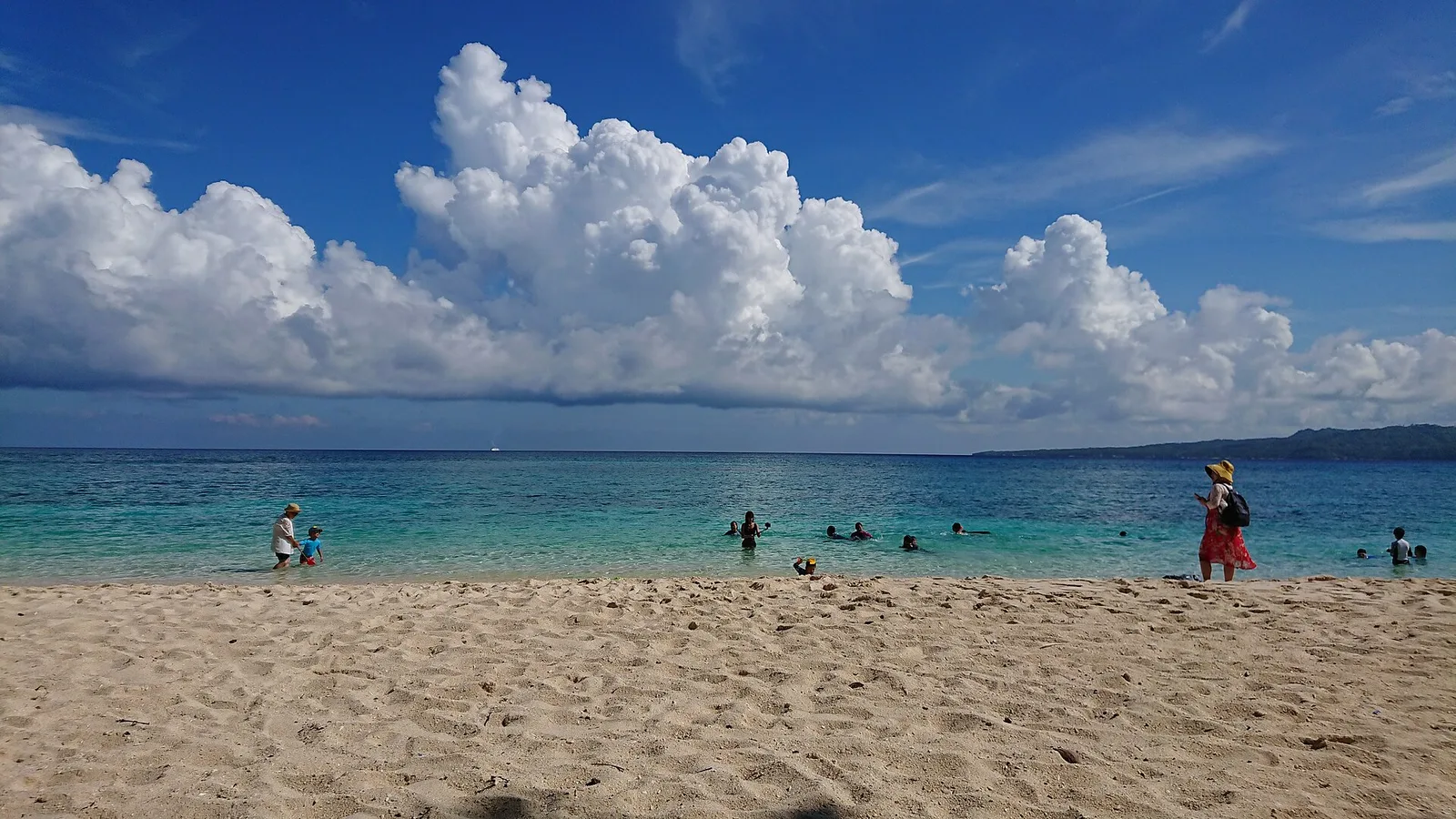
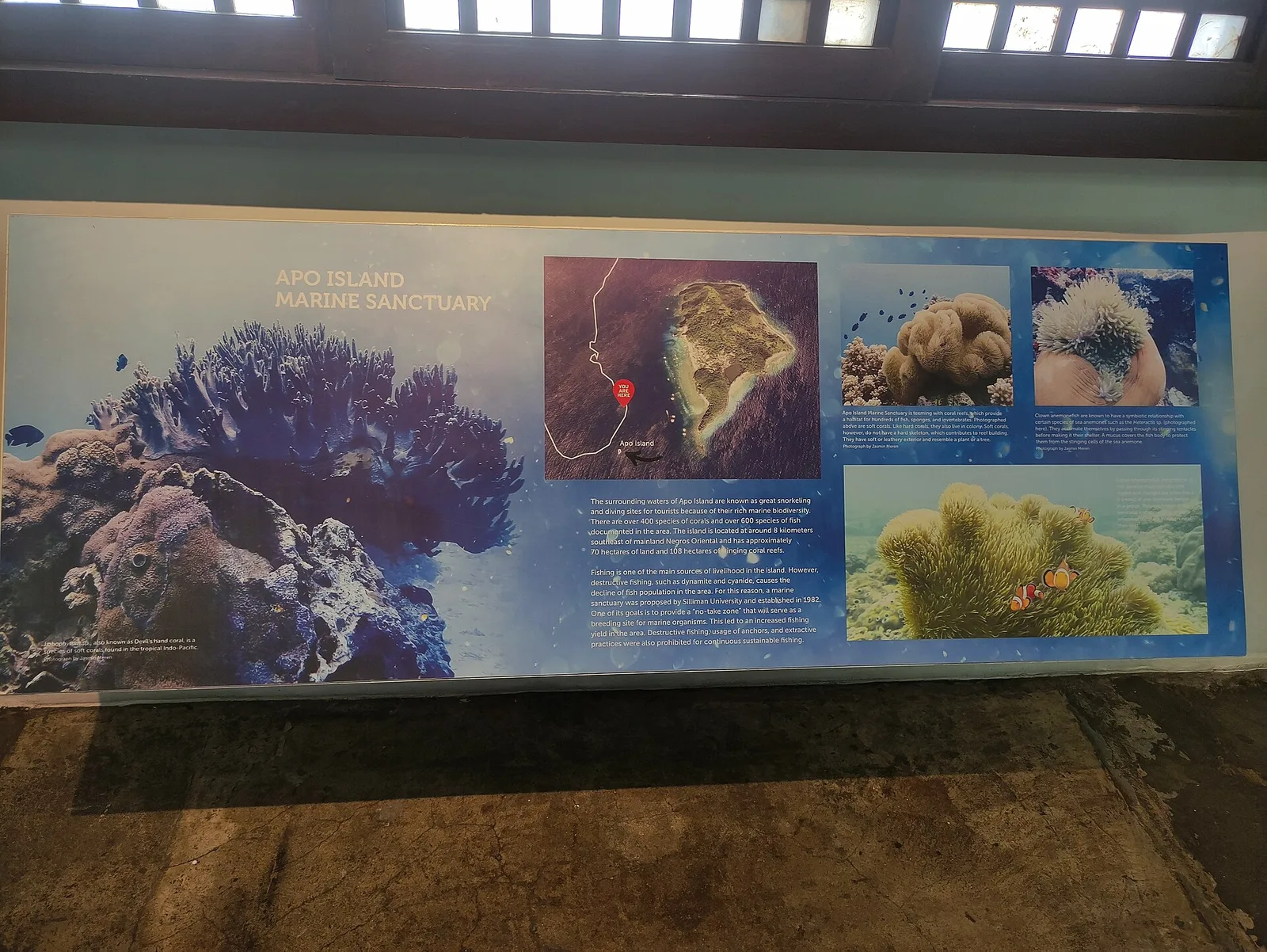
A community-run marine sanctuary about 45 minutes by boat, with turtles and a hard coral garden. The island is volcanic and covers 74 hectares, 7 kilometres off the southeastern tip of Negros and 30 kilometres south of Dumaguete. Apo means …
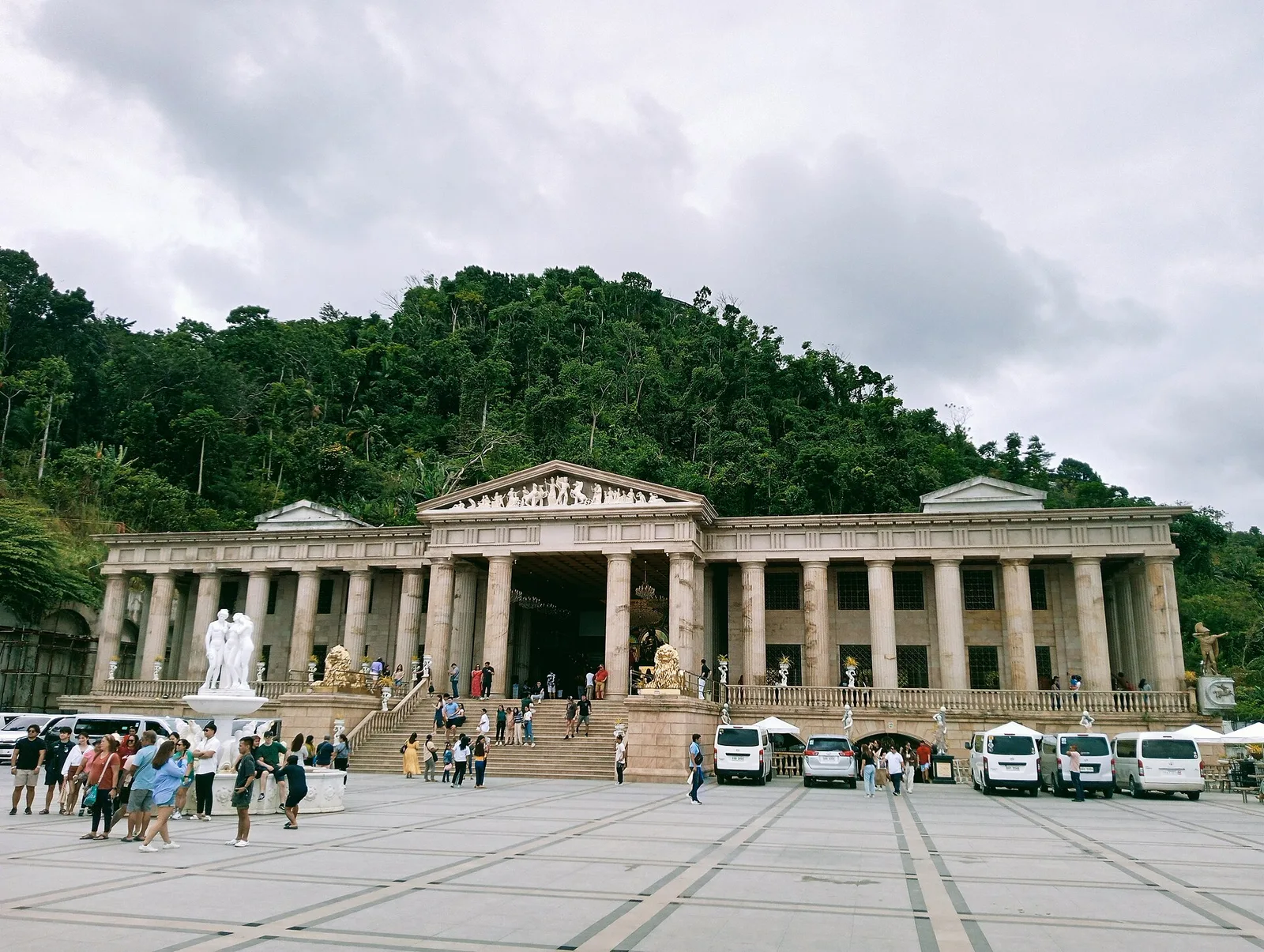
A hilltop Roman-style temple built as a memorial, with a long view over the city.
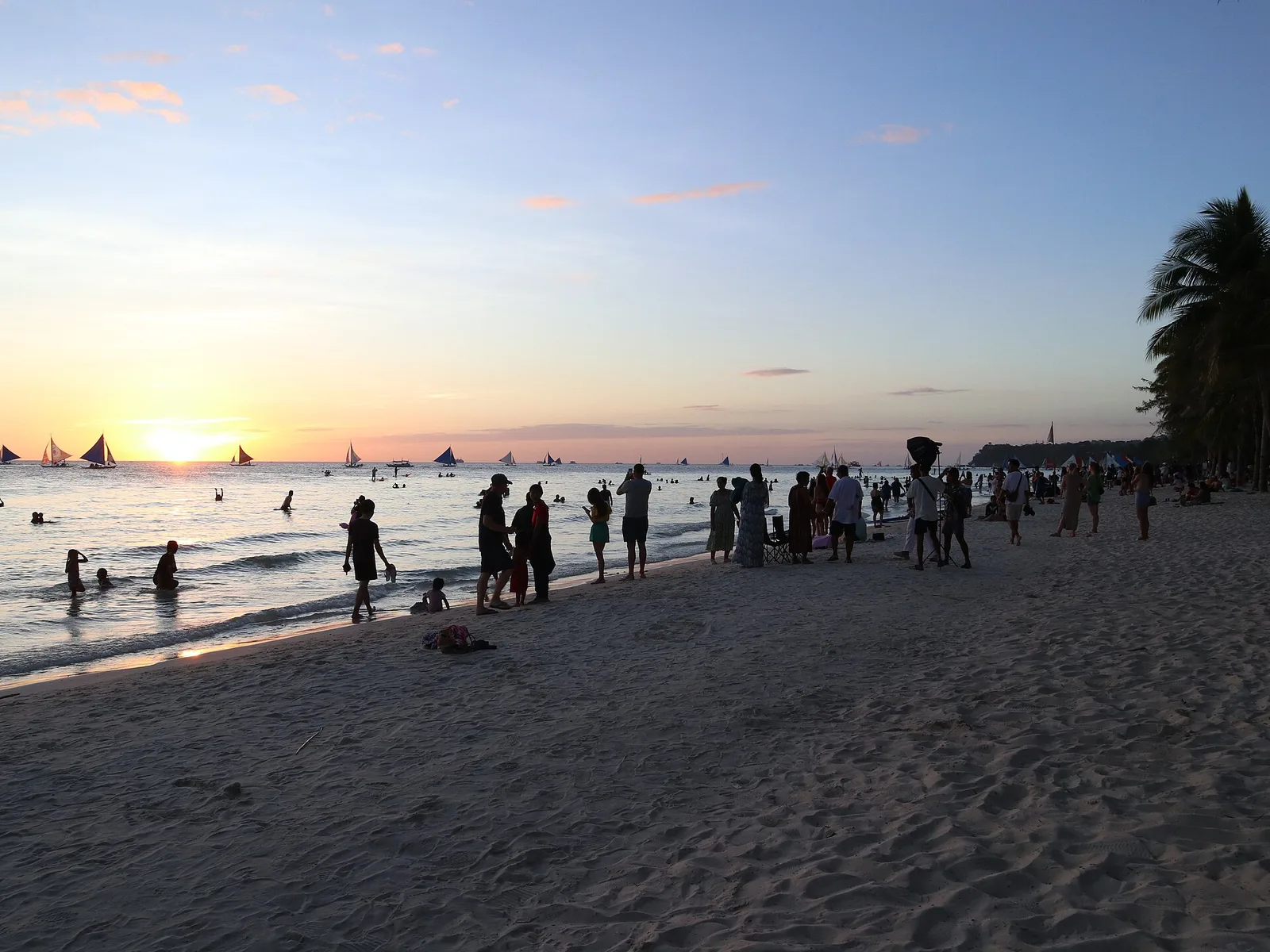
Four kilometres of fine white sand divided into three stations, with the sunset at the north end.
A 3-day plan built from the See, Do and Eat listings in Wikivoyage's Cebu City guide. The stops are in an order that keeps each day close together. Check the …
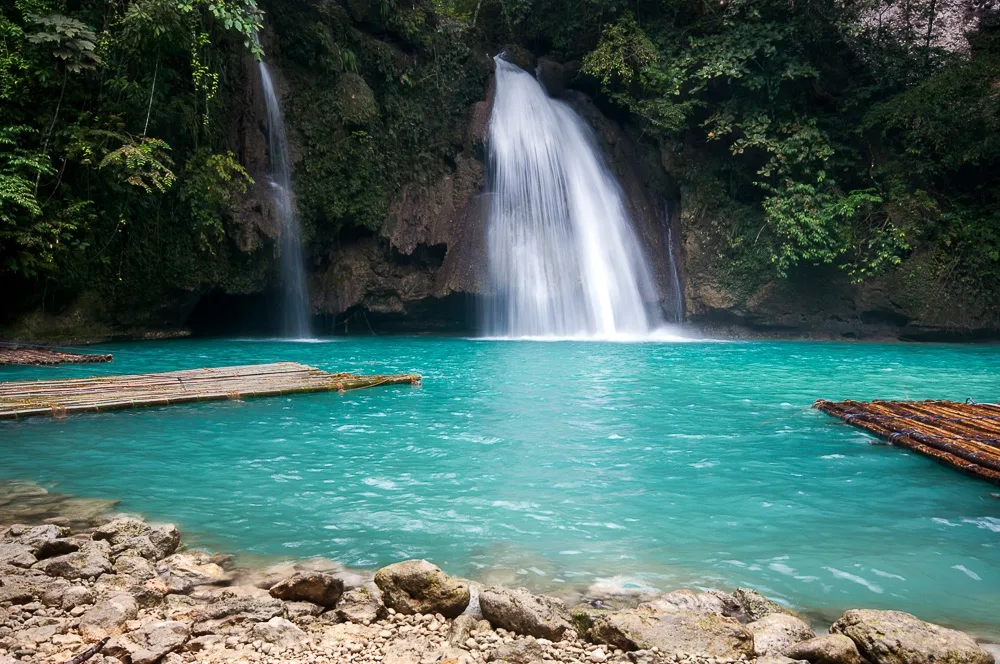
The Kawasan water falls (a three step waterfall) is located in the rain forest approximately 20 km south of Moalboal (past Badian). If you take the bus from in front of the public market in Moalboal (near 360 Pharmacy), you can …
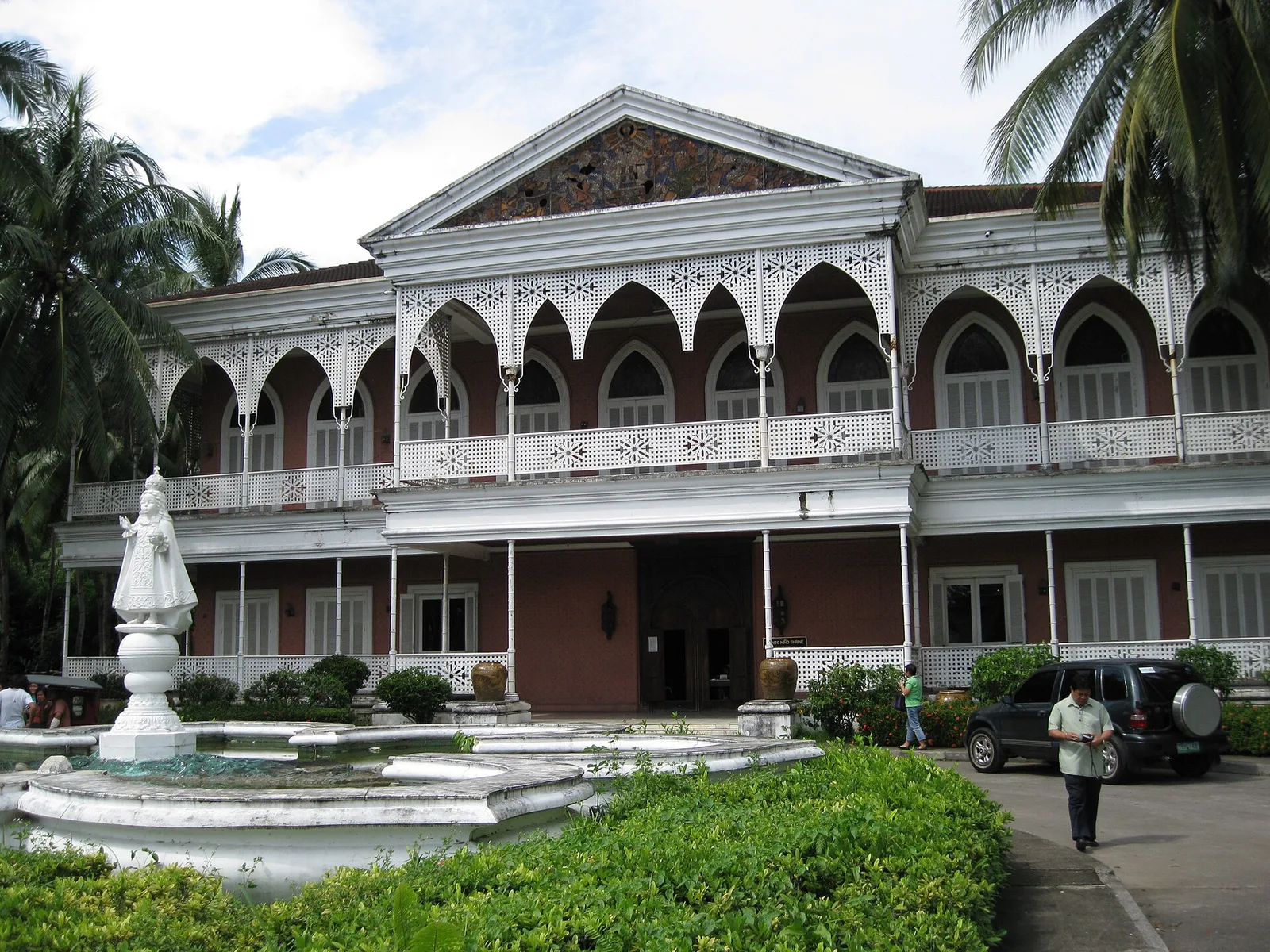
A former Marcos family house, now a museum of Imelda Marcos's collection and of objects tied to the Santo Niño, the patron saint of the city. Imelda Marcos had it built between 1979 and 1981, one of 20 presidential palaces …
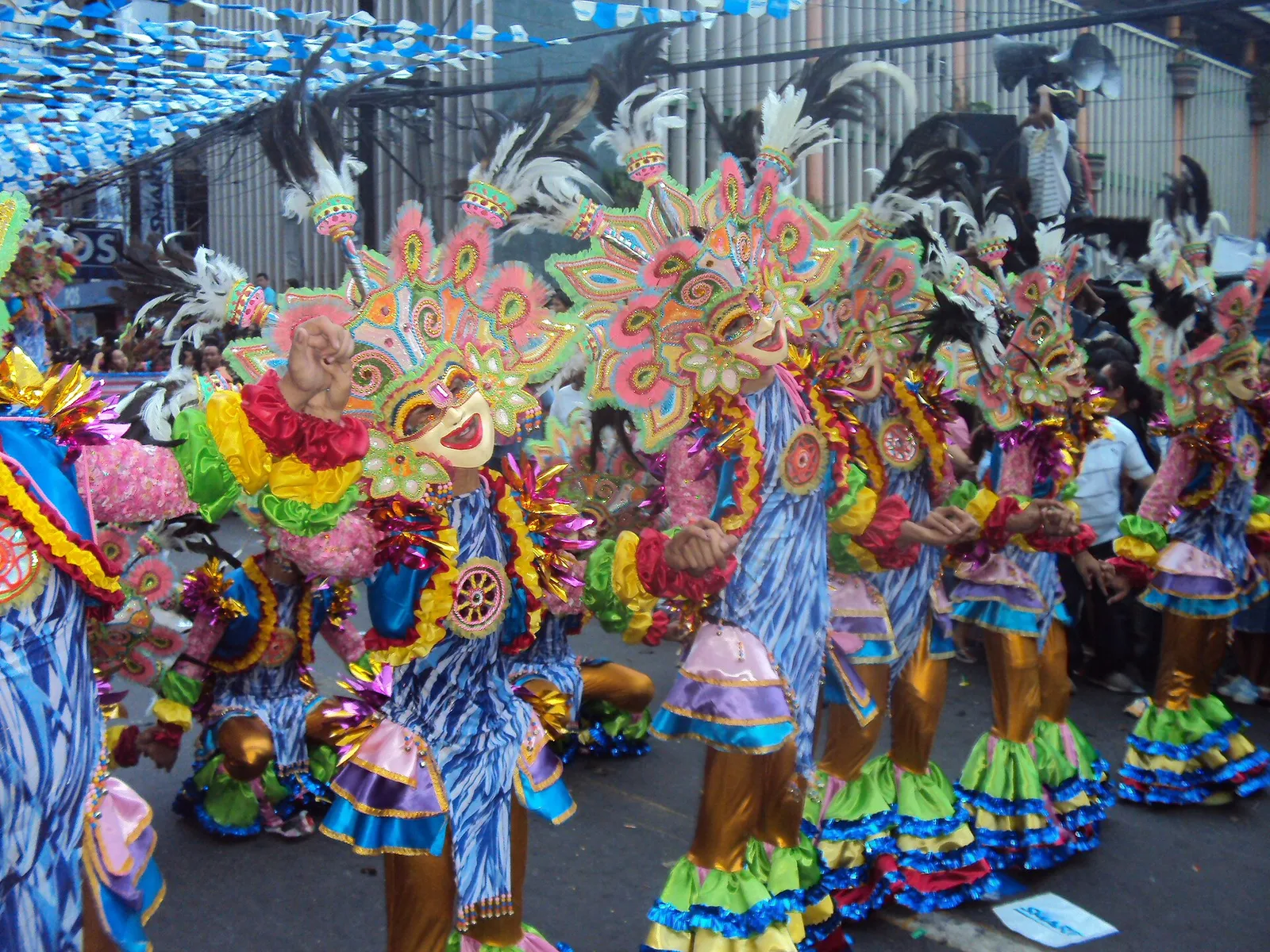
A street festival of masked dancers, held every year on the fourth Sunday of October. The masks give the festival its name: Pista sang Maskara in Hiligaynon. The smiling faces on them are why Bacolod is called the City of Smiles. The city started the festival in 1980, …
Photo: John Albert Pagunsan · Wikimedia Commons, CC BY-SA 3.0
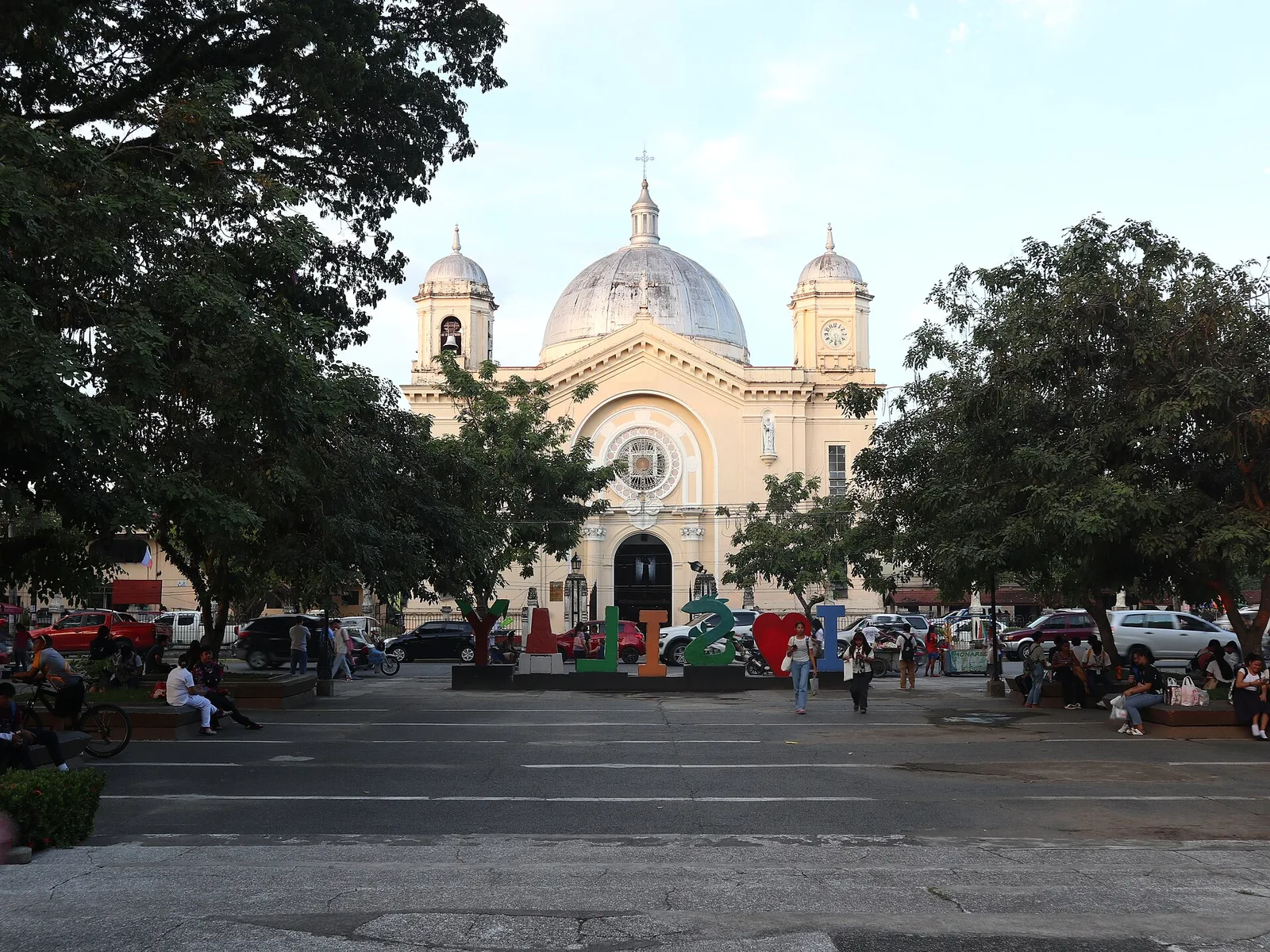
An early 20th-century Catholic church, and the only church in Negros Occidental with a dome. It is also the only pro-cathedral in the country, under the Diocese of Bacolod, and it stood in for the Bacolod cathedral during repairs. Work …
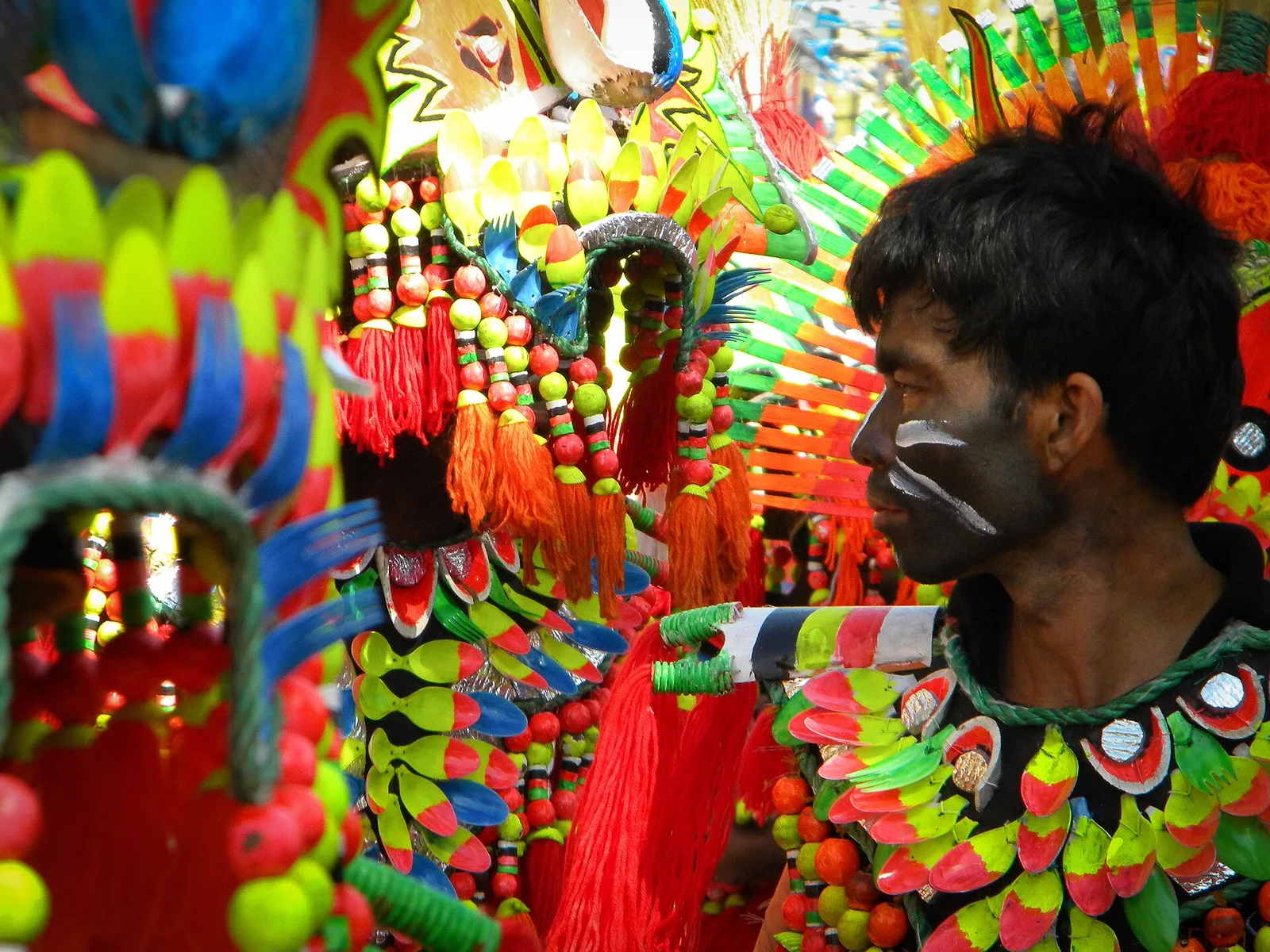
The province's best known festival: tribal dance, music and a street parade in Kalibo on the third Sunday of January, held in honour of the Santo Nino. The name means to be like Atis, after the Aeta people who first settled Panay. Dancers wear indigenous costumes and carry …
Photo: Bernardo "Berniemack" Arellano III · Wikimedia Commons, CC BY-SA 4.0
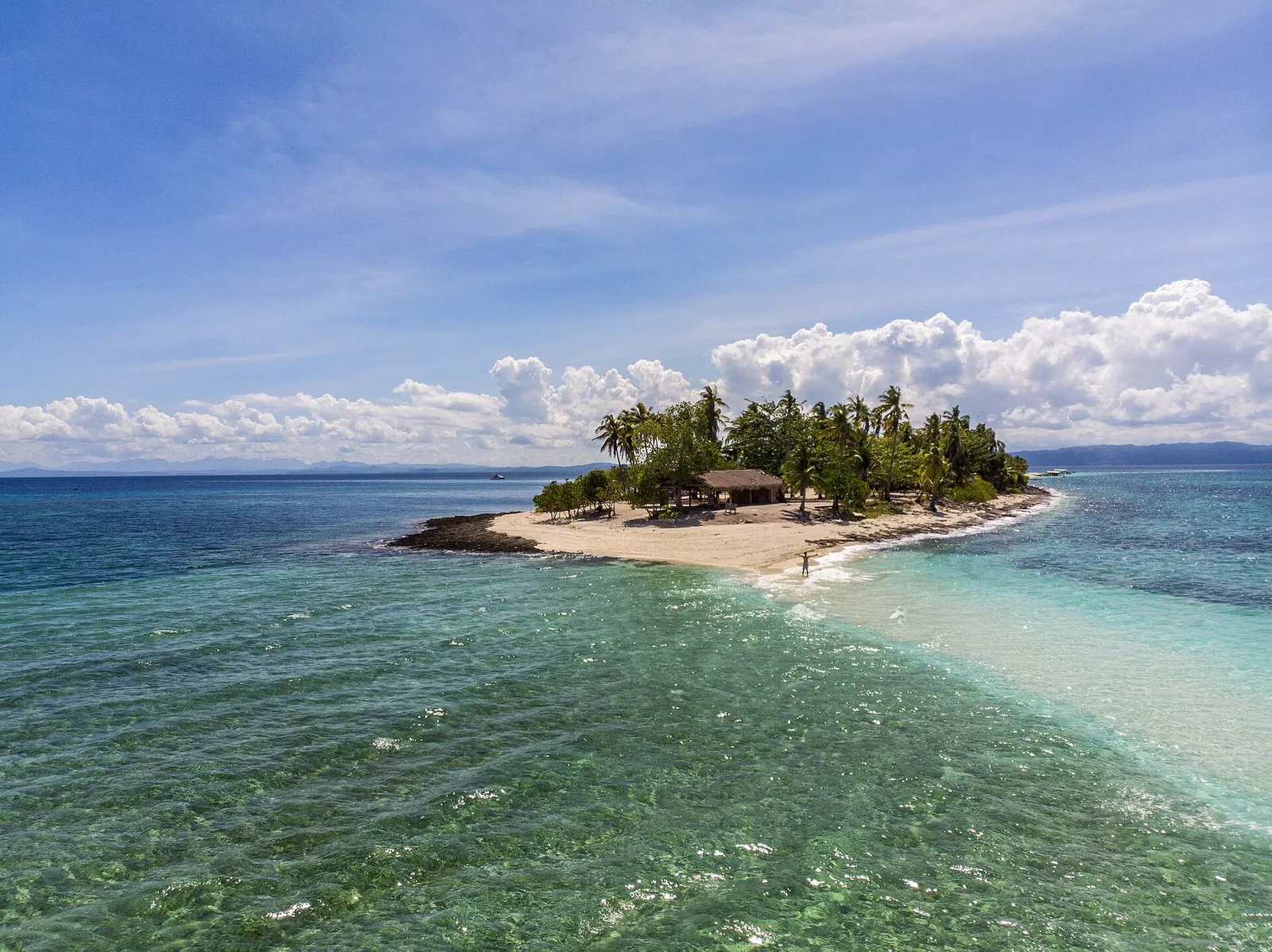
A sandbar island in the sea between Leyte and Cebu, 10 kilometres west of the town of Palompon, which owns and runs it. The name comes from langgam, the local word for bird: when the sandbar forms it is said …
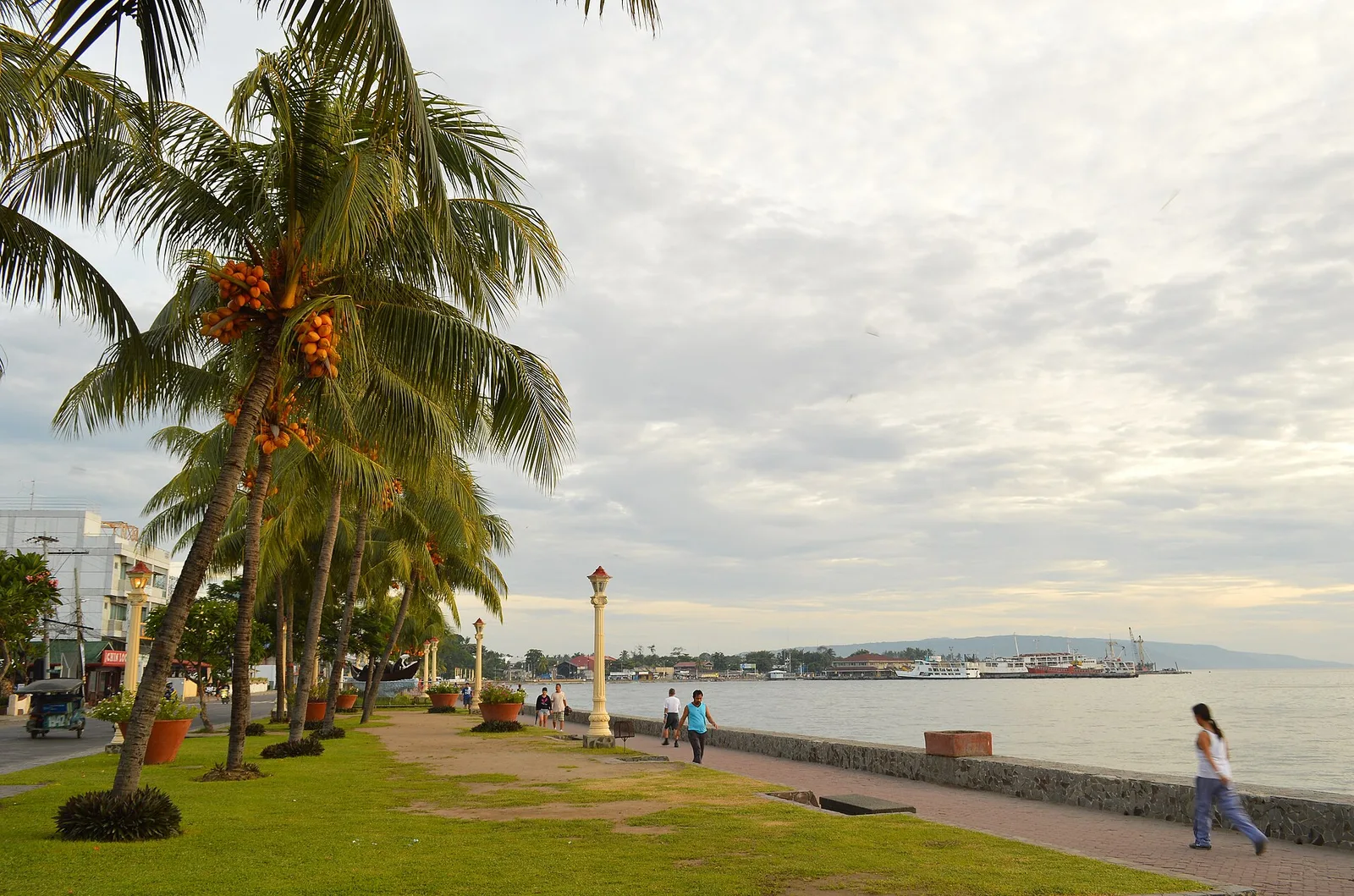
The seafront promenade, busiest at sunrise and again in the evening when the stalls open. The buildings along it are mostly old sugar mansions and ancestral houses turned into hotels, coffee shops, restaurants and bars, and the water gives a …
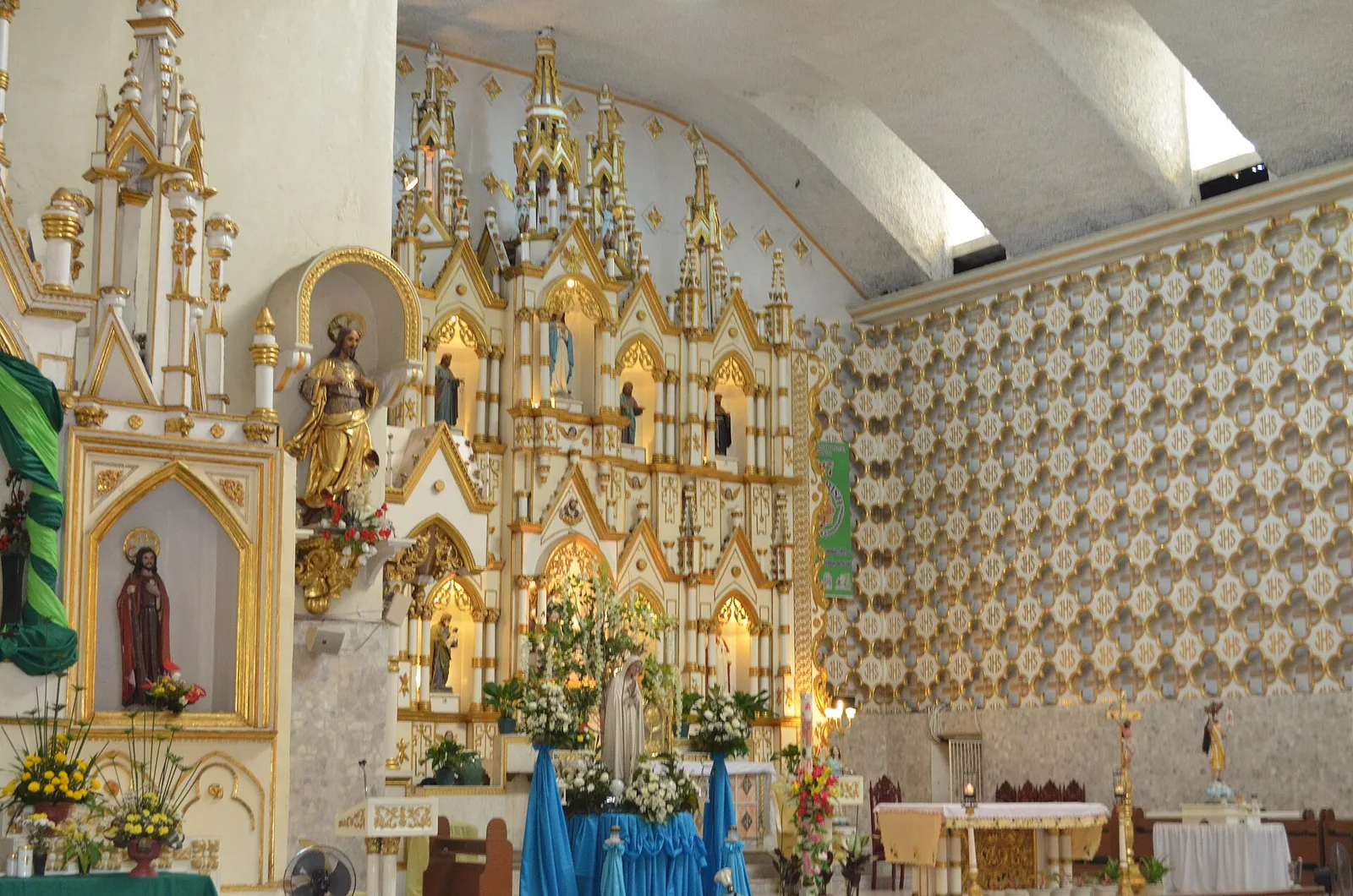
The seat of the Diocese of Calbayog, also known as Saints Peter and Paul Cathedral and as Our Lady's Nativity Parish. It was the first church in Eastern Visayas to be named a cathedral, in 1913, and the region treats …
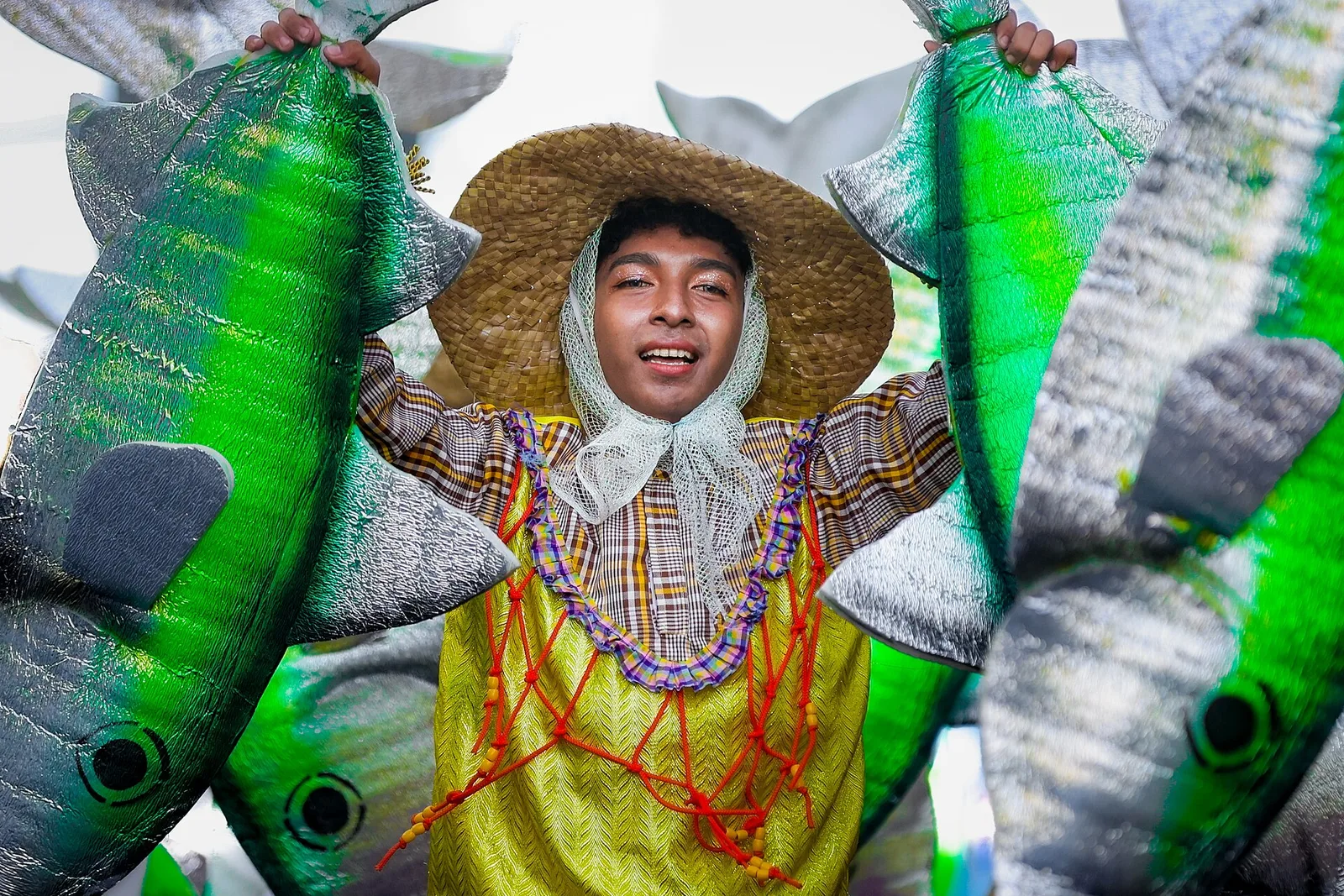
The blood compact of Datu Sikatuna and Miguel López de Legazpi, sworn in 1565, is re-enacted on the shore at Tagbilaran. The 2026 run opened in Talibon on 4 July and carried through the month with the street dance and the agri fair.
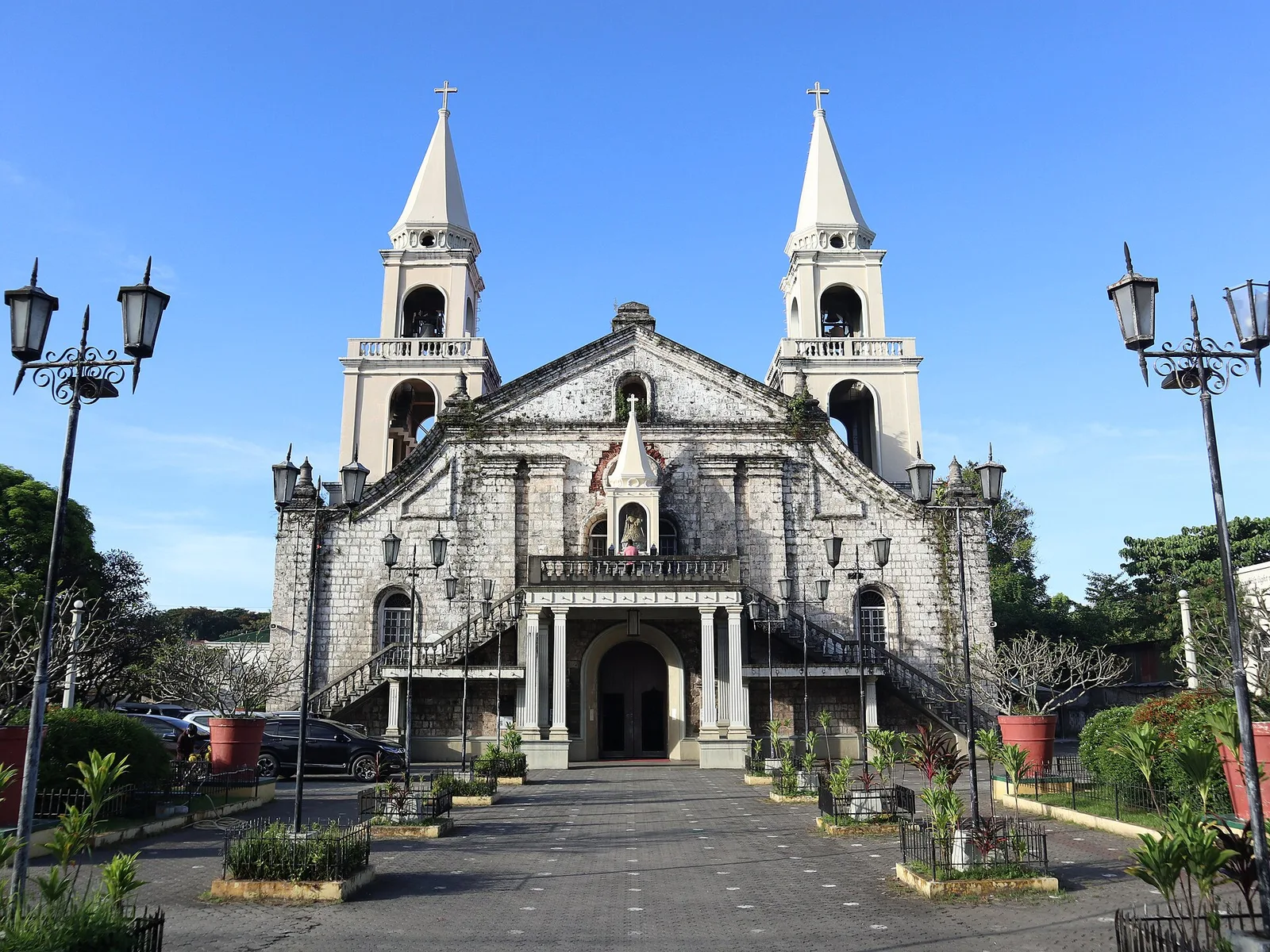
One of the most significant religious sites in the Visayas. It houses the miraculous image of Nuestra Señora de la Candelaria (Our Lady of the Candles), the only Marian image in the Philippines crowned by a pope and Vatican decree, …
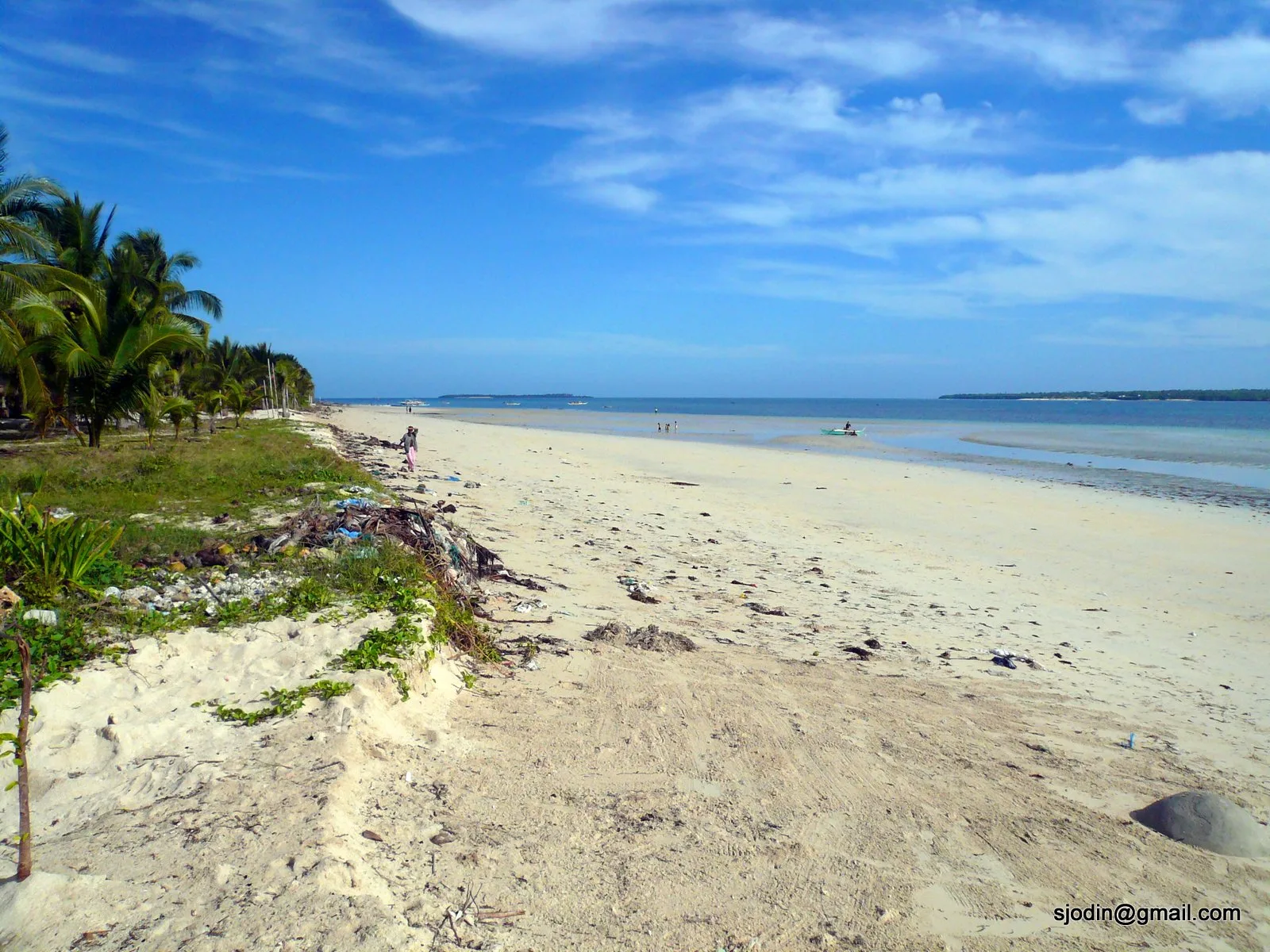
A flat island of coconut groves in the Visayan Sea, off the northern end of Cebu across the Tañon Strait. It covers 108.77 square kilometres, and most of it lies below 10 metres above the sea. The one taller hill …
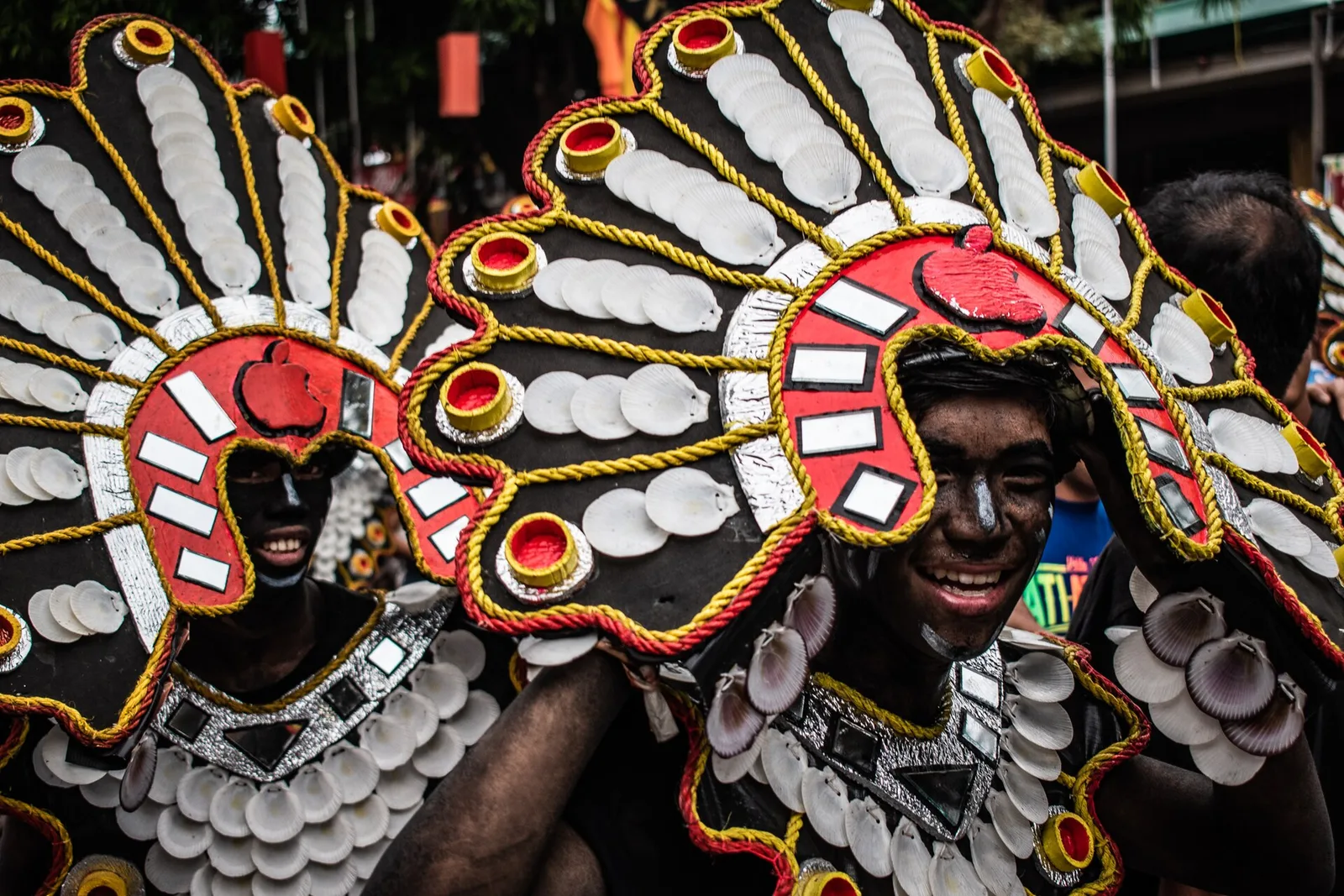
The oldest of the Santo Niño festivals, two hours from Boracay by road. It opened on 10 January, the Sadsad Ati-Atihan contest ran on 17 January, and the last day was Sunday 18 January.
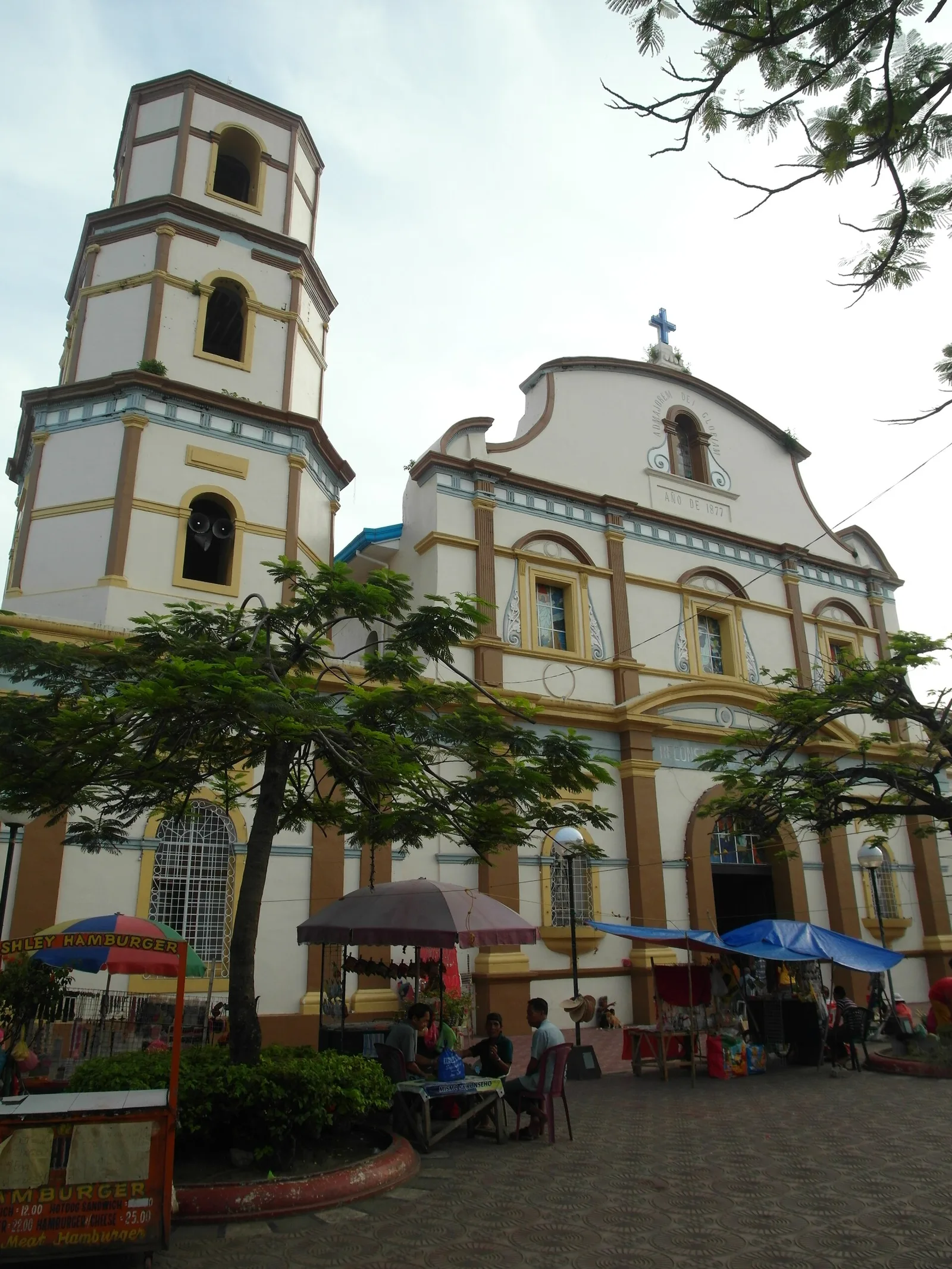
A cathedral on the plaza in the historic centre, the seat of the Archdiocese of Capiz and the Archdiocesan Shrine of the Immaculate Conception. It faces the Panay River and the Capiz Bridge. Augustinian missionaries founded the parish in 1707, …
A 2-day plan built from the See, Do and Eat listings in Wikivoyage's Kalibo guide. The stops are in an order that keeps each day close together. Check the hours …
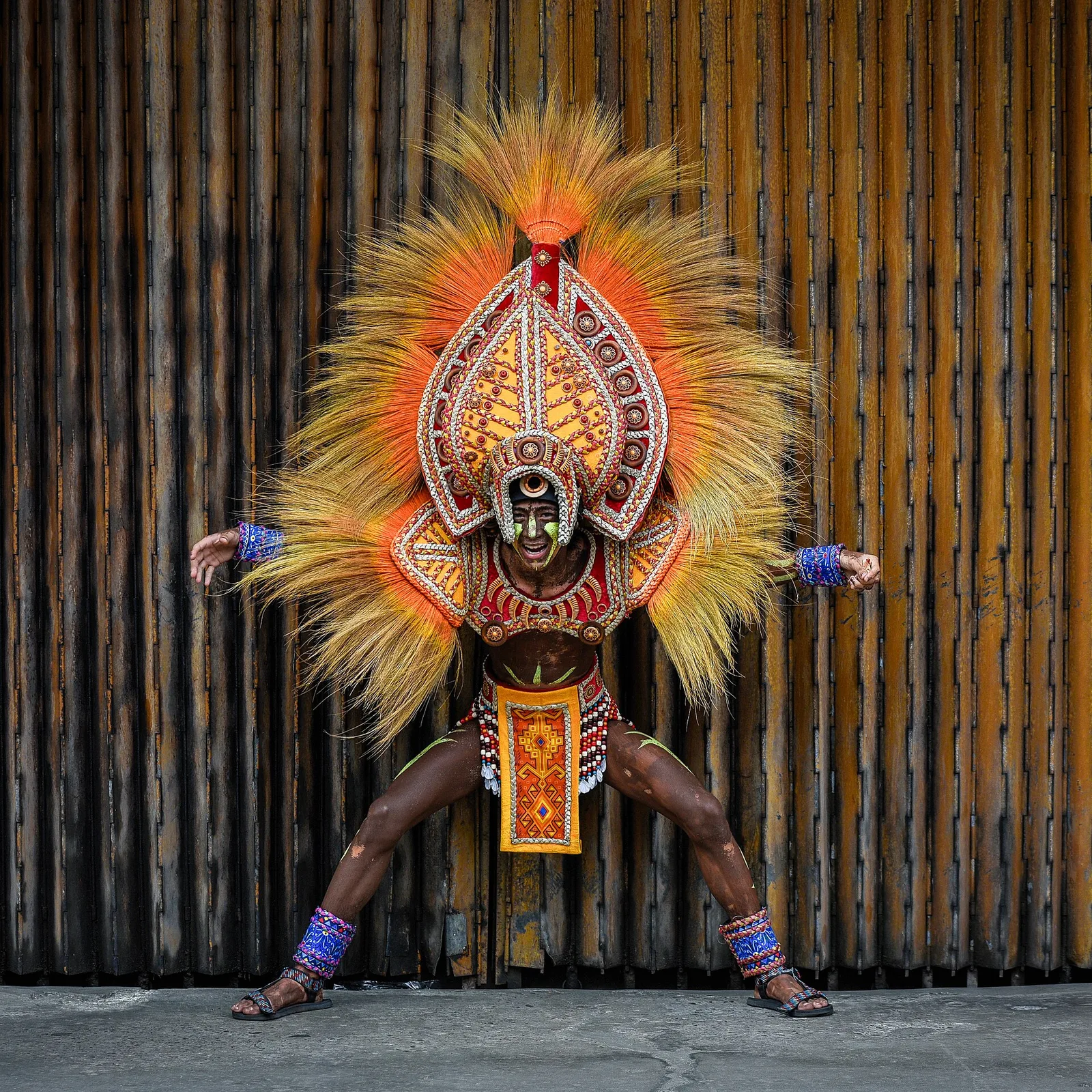
Three days for the Santo Niño. The fluvial and foot processions ran on Friday 23 January, Kasadyahan and the religious sadsad on Saturday, and the Ati tribes competition on Sunday 25 January.
Photo: Original: EMMAN A. FORONDA Derivative work: Aristeas · Wikimedia Commons, CC BY-SA 4.0
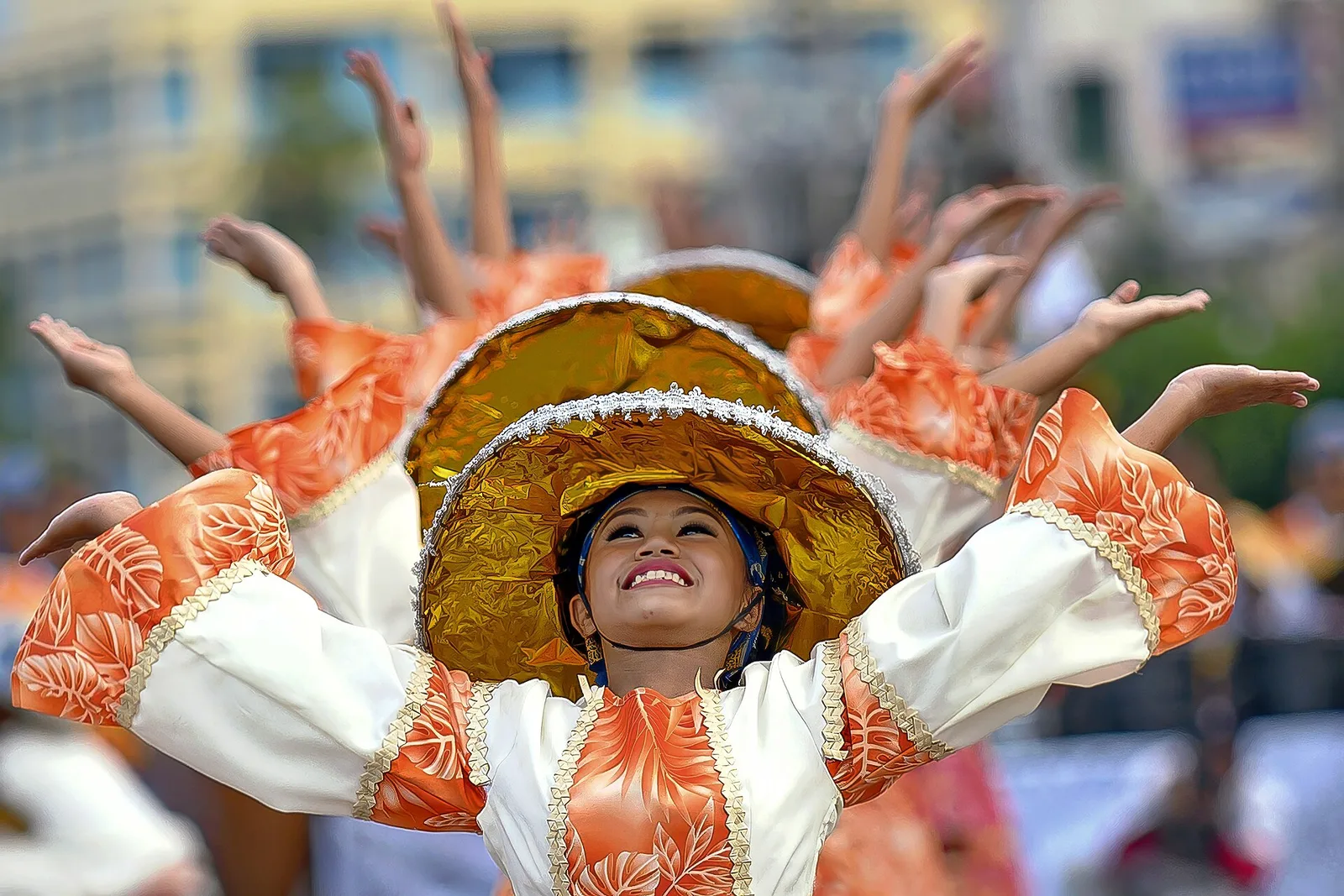
Dumaguete's own festival. Sandurot means welcome, and the re-enactment on the boulevard tells how the city took in the peoples who landed here.
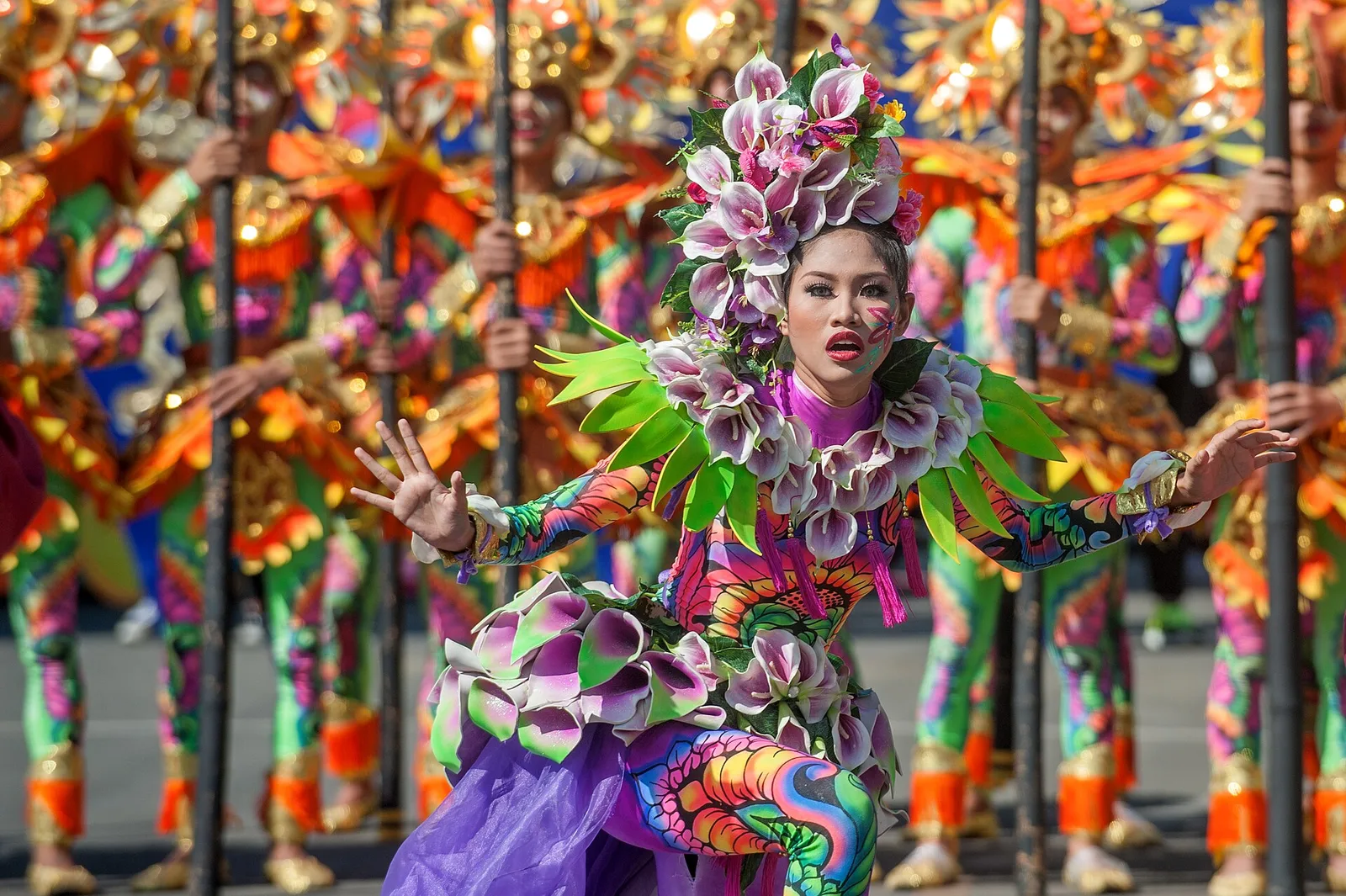
A street dancing festival held every 3 to 5 November, and one of the most popular in the region. The dancers paint flowers on their faces, arms, bodies and legs, in the pintados tradition, to show gratitude to people and to their surroundings. The name joins two Spanish …
Photo: Francisco Pajares, Jr. · Wikimedia Commons, CC BY-SA 4.0
A 1-day plan built from the See, Do and Eat listings in Wikivoyage's Oslob guide. The stops are in an order that keeps each day close together. Check the hours …


