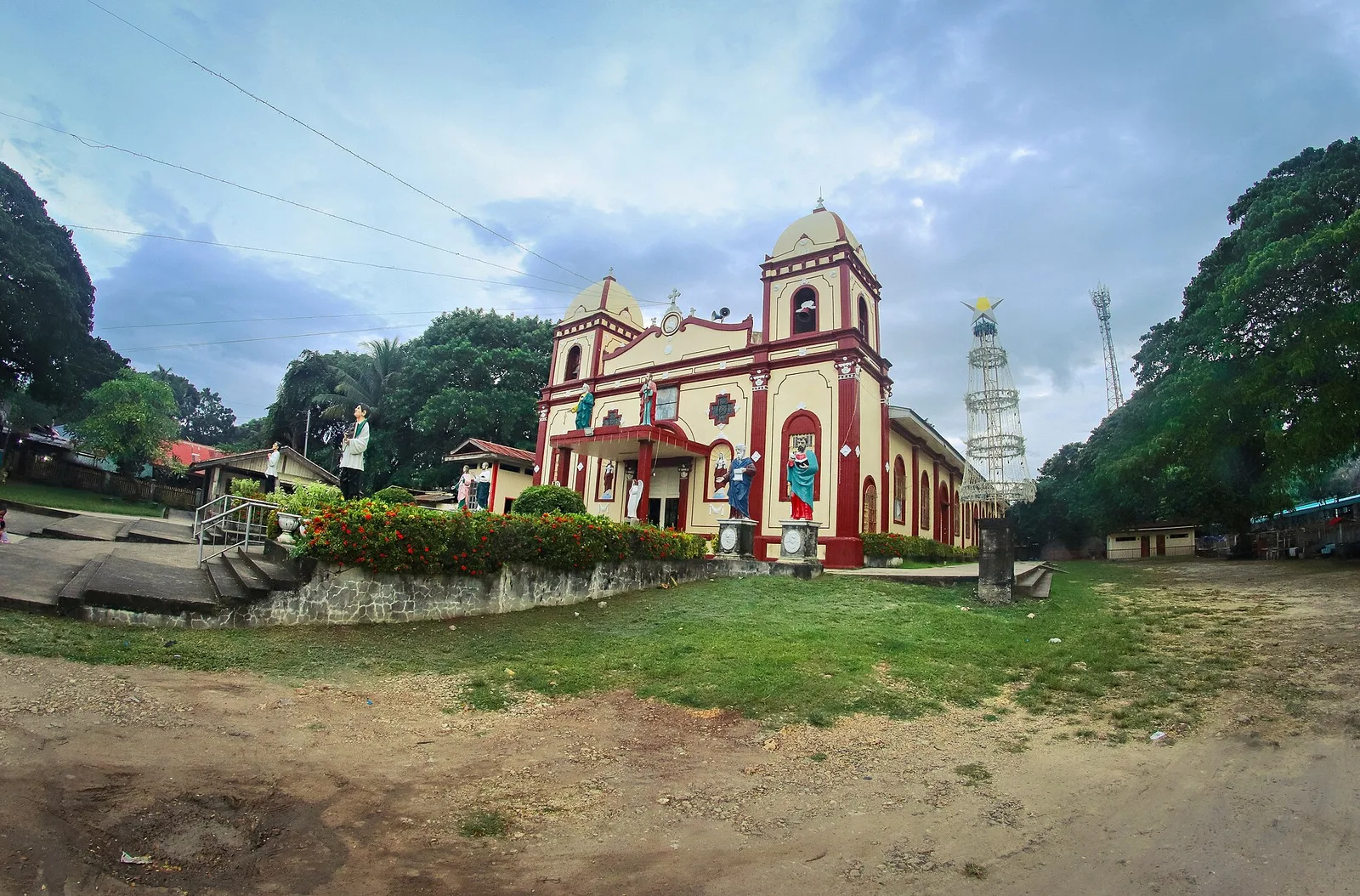
San Vicente Ferrer Church
A Catholic church at Vito, also called the Vito Church. The feast of its patron, Saint Vincent Ferrer, falls on 1 and 2 May.
Showing 481 to 510 of 1,893
A Catholic church at Vito, also called the Vito Church. The feast of its patron, Saint Vincent Ferrer, falls on 1 and 2 May.
A protected forest in the northern mountains of Negros, and the largest watershed in the province. It supplies water to seventeen municipalities and cities, including the Bacolod metropolitan area, and covers 80,454.5 hectares across five municipalities and six cities. Mount …
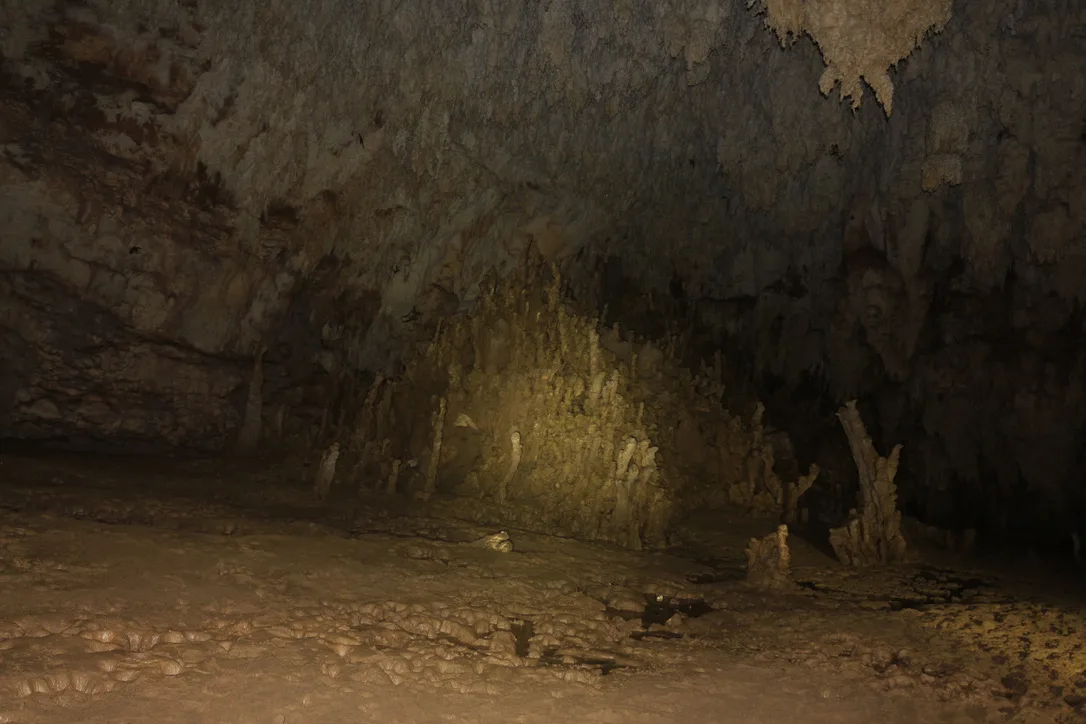
Twelve major caves inside the Samar Island Natural Park, counted as the largest cave system in the country. The 2,968 hectares hold Langun, Gobingob, Lurodpon and Bitong Mahangin among others, and the whole system is also called Calbiga Cave. Underground …
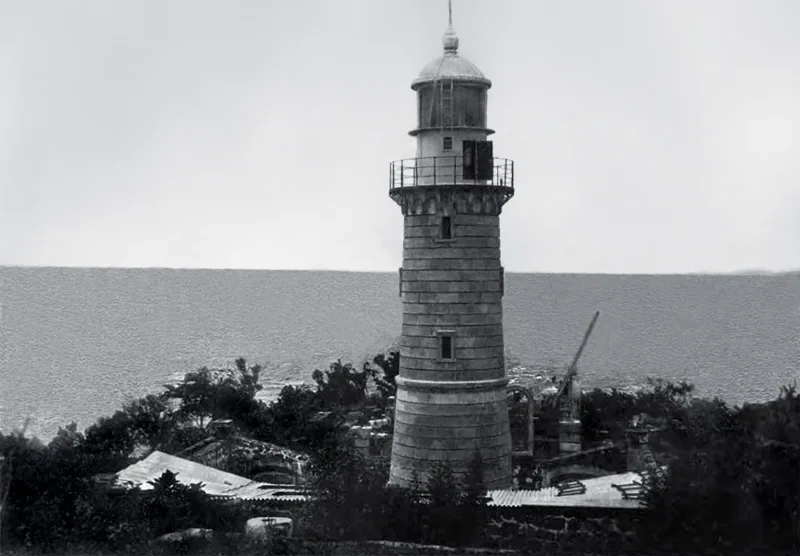
The light that marks the western entrance to the San Bernardino Strait for ships coming in from Ticao Pass. It stands on Titoog Point, at the northern tip of Capul Island. Guillermo Brockman drew the design in 1892: a cylindrical …
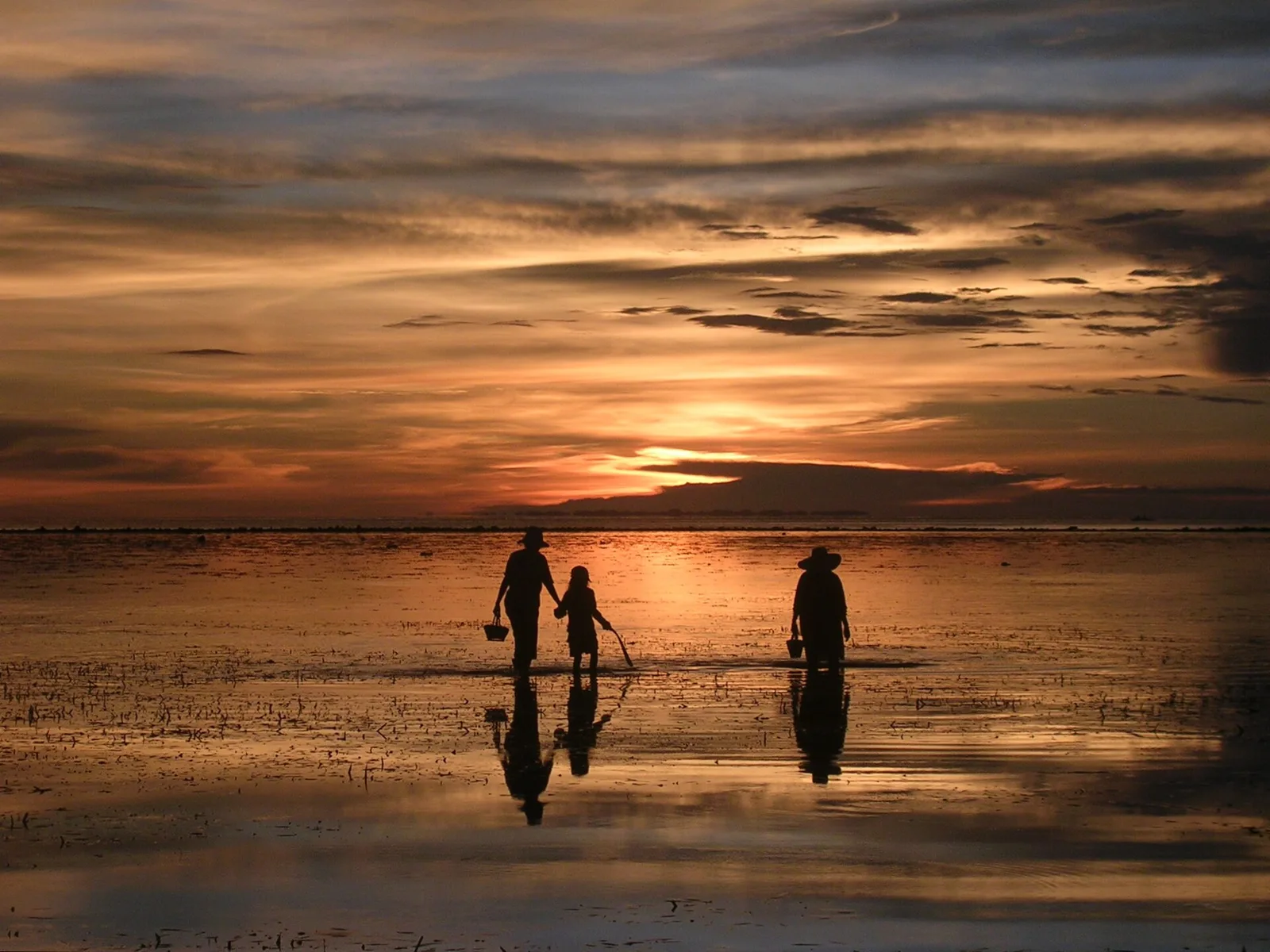
An active volcano that formed the island the whole province stands on. It is a complex volcano of the solfataric type. The only known historical activity was a phreatic eruption at a thermal area on 26 September 1939, which left …
Two islands in Illana Bay that share one name, told apart as Dako (big) and Gamay (small). Dao Dao Dako covers about a hectare and lies 7 to 10 minutes by motorboat from the city seaport. It has artificial coral …
A waterfall in the eastern part of the city, at Sitio Lapaan in Barangay Perez. Its water comes from mountain springs on Mount Apo, and it is one of the sources for the Metro Kidapawan Water District, the main water …
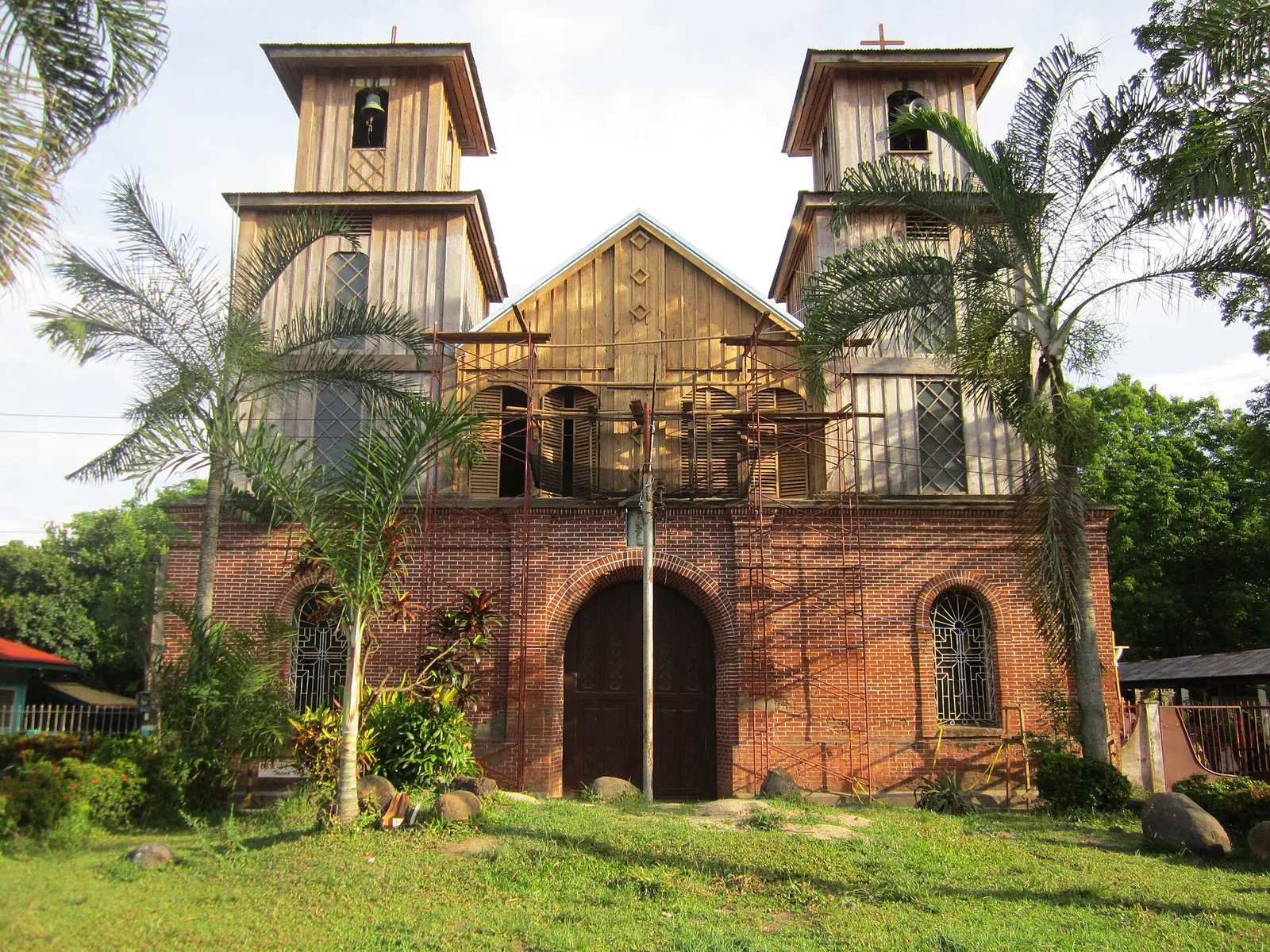
A Baroque church built as a provincial copy of San Ignacio Church in Intramuros, Manila. The National Museum declared it a National Cultural Treasure for its artistic design and cultural value. The Jesuit brothers Francisco Rivera and Juan Cuesta are …
A volcanic island off the southern tip of the province, in the municipality of Sarangani. Mount Balut stands at its centre, a fumarolic volcano with no eruption in the record, though the island is still counted as potentially active. The …
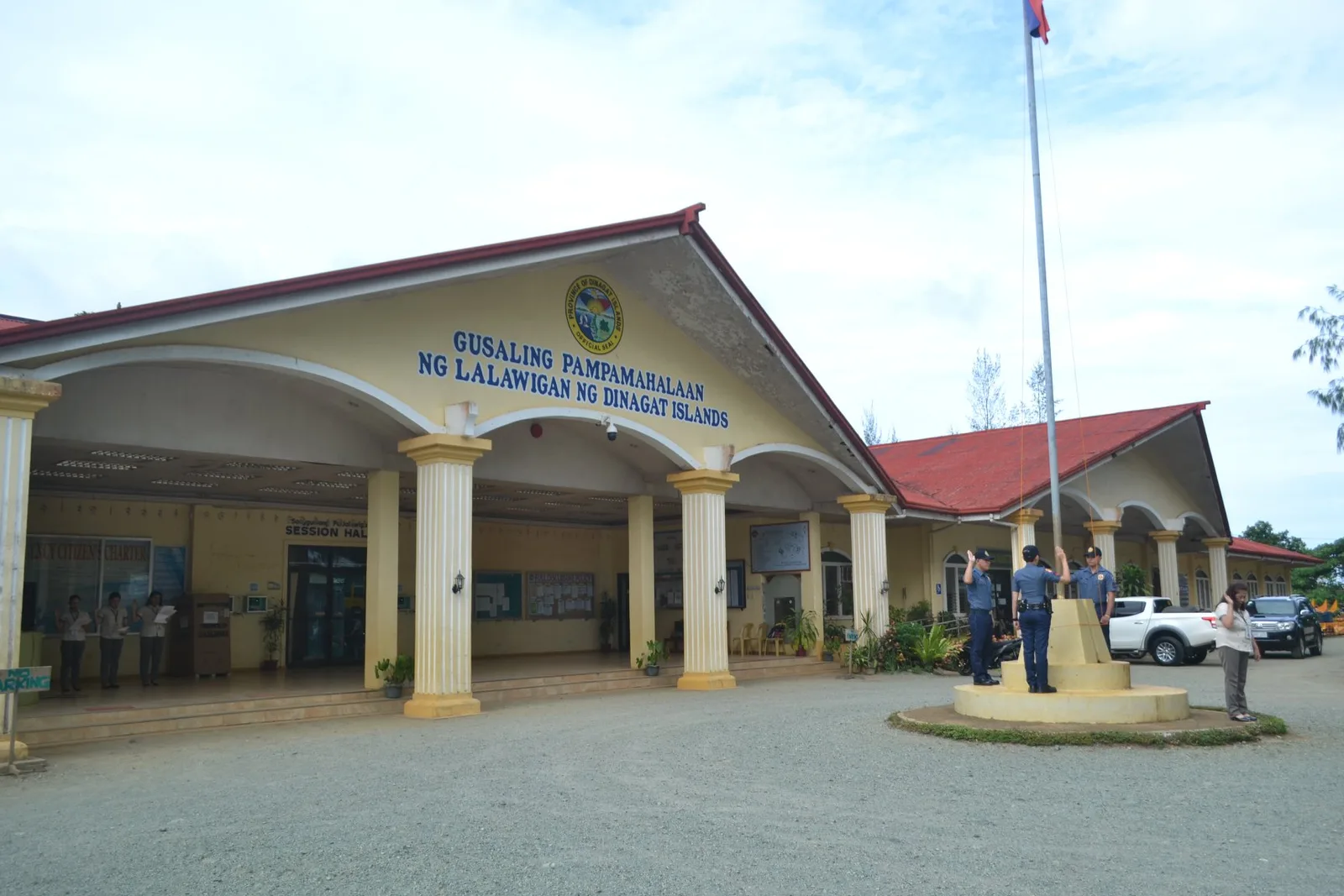
The provincial government's hall, finished in 2024, with a design based on the Japanese Yamato-class battleship of the Battle of Surigao Strait in World War II.
A waterfall of many tiers in the forest at New Tubigon, a far barangay of Sibagat, and one of the places people visit in that town. Local belief holds it to be the longest running waterfall in the region. The …
The largest wetland in the Philippines, and the biggest marsh in Southeast Asia, spread across the middle of the Agusan River basin. It holds nearly 15 percent of the country's fresh water in swamp forests. Manobo families live deep inside …
The highest peak in Caraga at 2,012 metres, climbed each year on trips that trekkers and mountaineers organise. There are also organised climbs up Mount Mas-ai, a plateau at Putting Bato with a lake on top.
A museum of Islamic art and Moro culture in a white building in Marawi, a city on Lake Lanao where the Maranao people are the main inhabitants. It holds the biggest Filipino Muslim collection in the country. The collection covers …
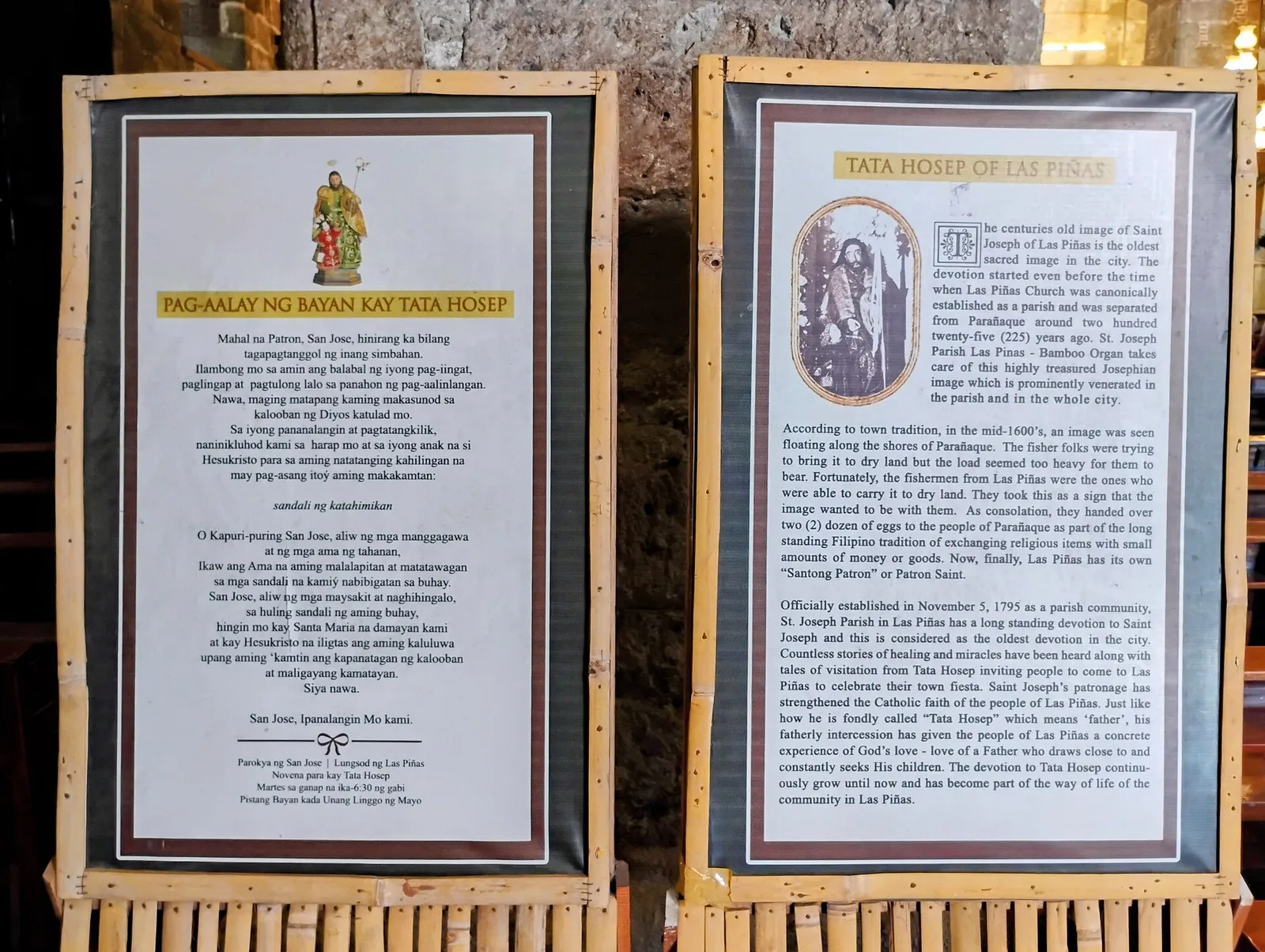
The church that holds the Bamboo Organ, a pipe organ whose pipes are made mostly of bamboo. Father Diego Cera built the organ in 1824, and it is the only organ of its kind in the world. The church sits …
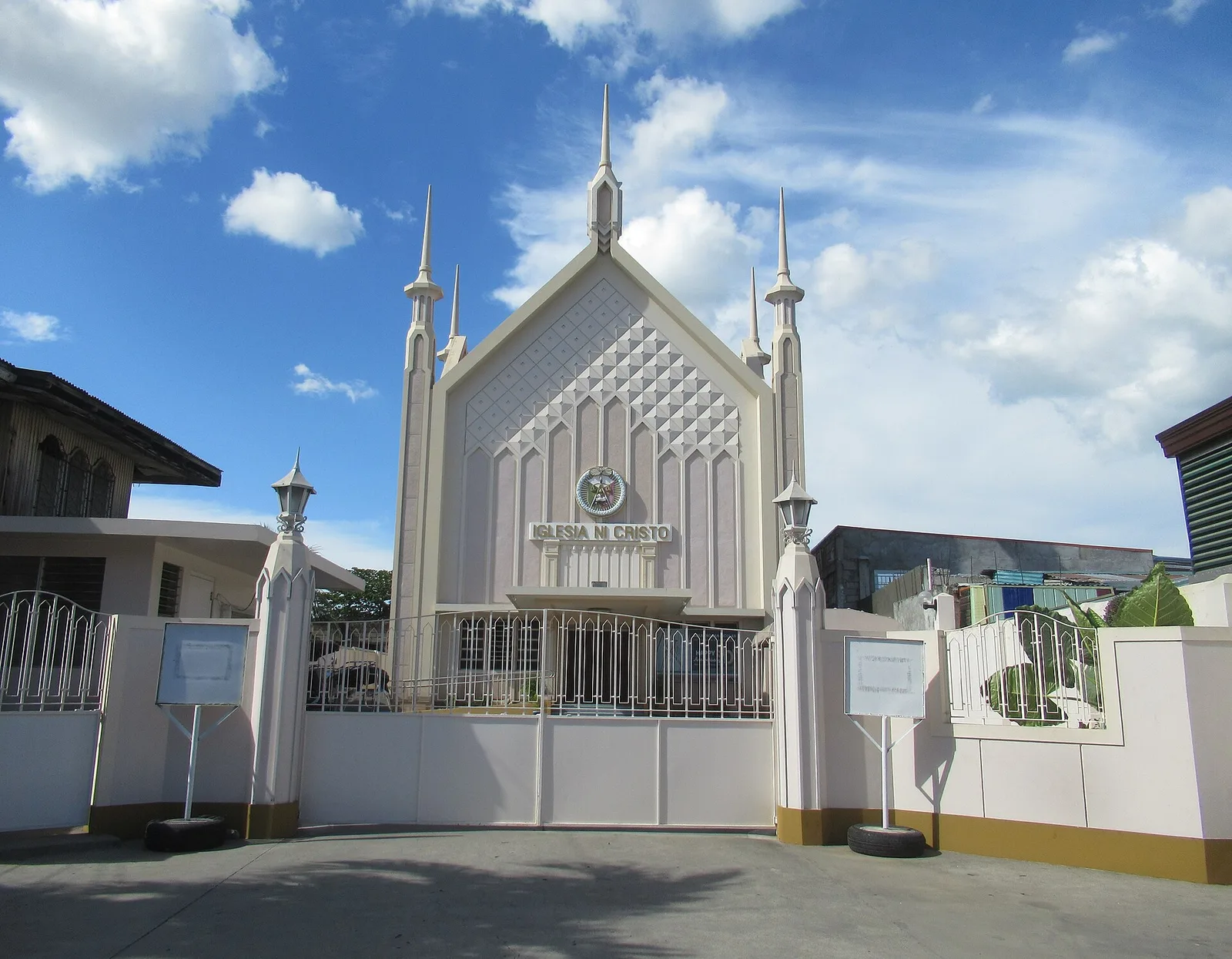
The oldest and the biggest colonial church in Nueva Ecija, founded in the 1500s and one of the oldest Roman Catholic churches in the country. It is the parish of the Three Kings and the shrine of La Virgen Divina …
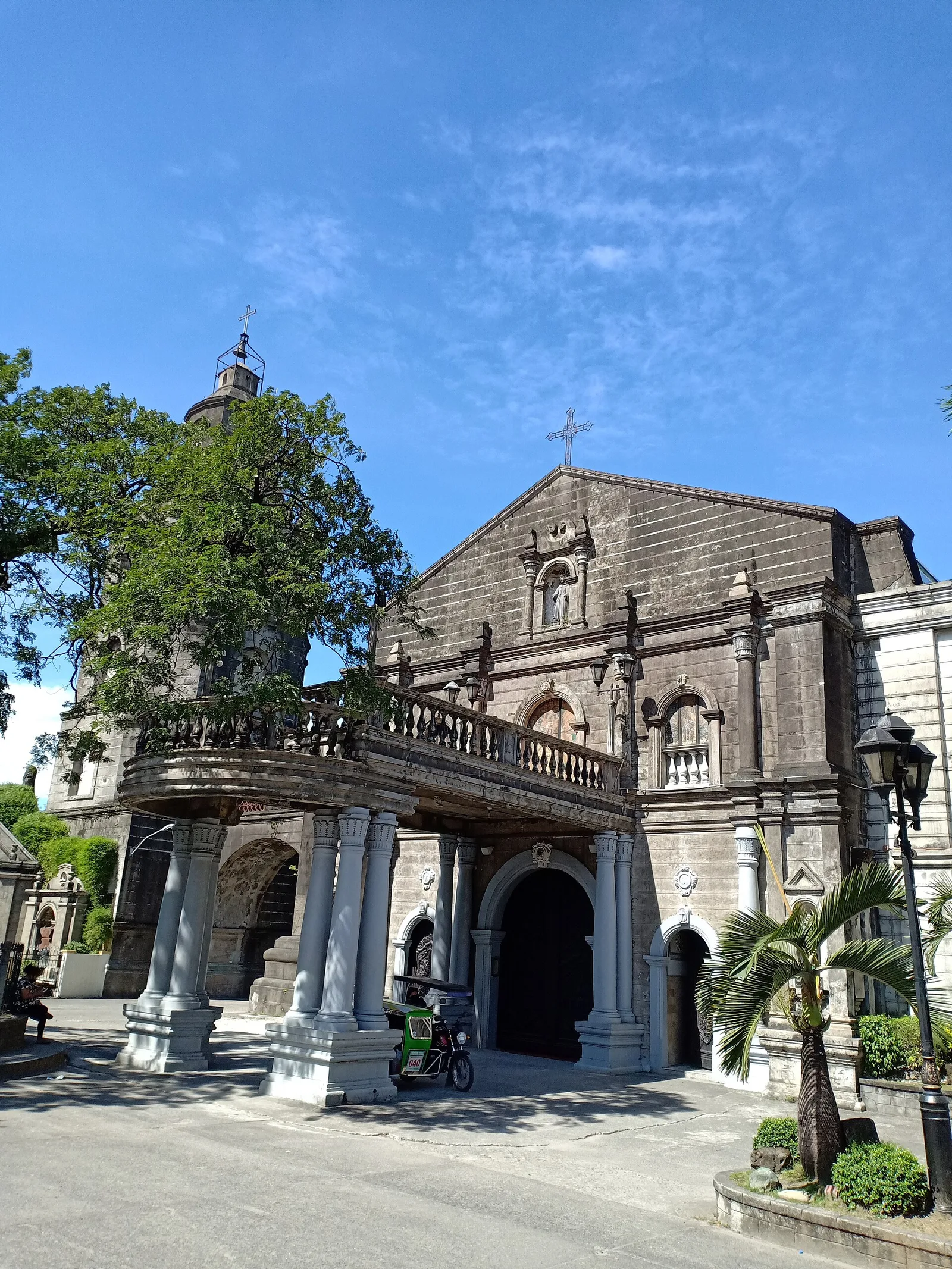
One of the oldest parishes in Bulacan, older than Malolos Cathedral and Barasoain Church. The Franciscans Juan de Placencia and Diego Oropesa built the first church here in 1578, from nipa and bamboo. A concrete church replaced it in 1668. …
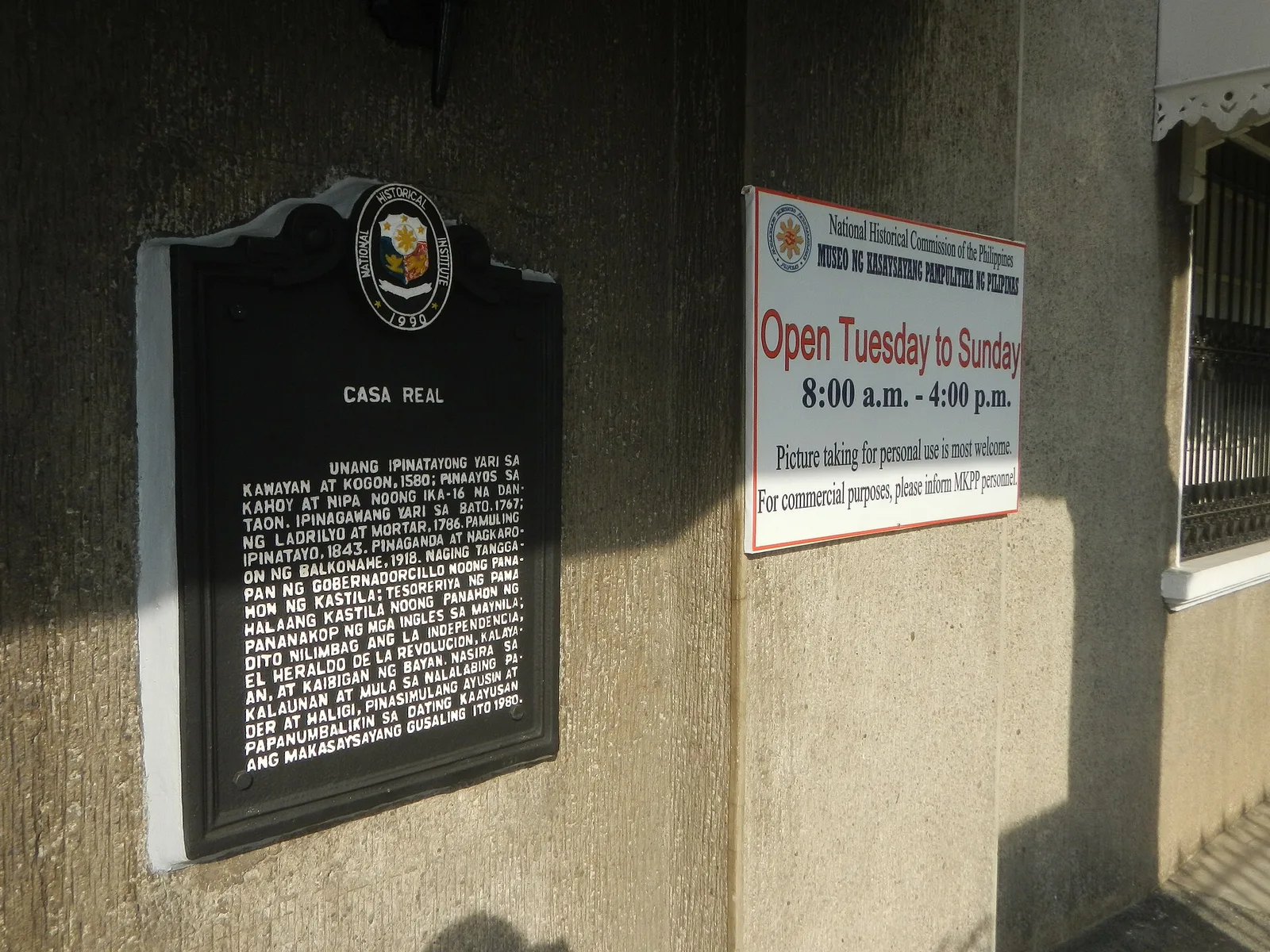
A museum of the country's political history, in the Casa Real Shrine on Paseo del Congreso. The National Historical Commission of the Philippines runs it. It opened to the public in 2001 and moved into this building in 2016. The …
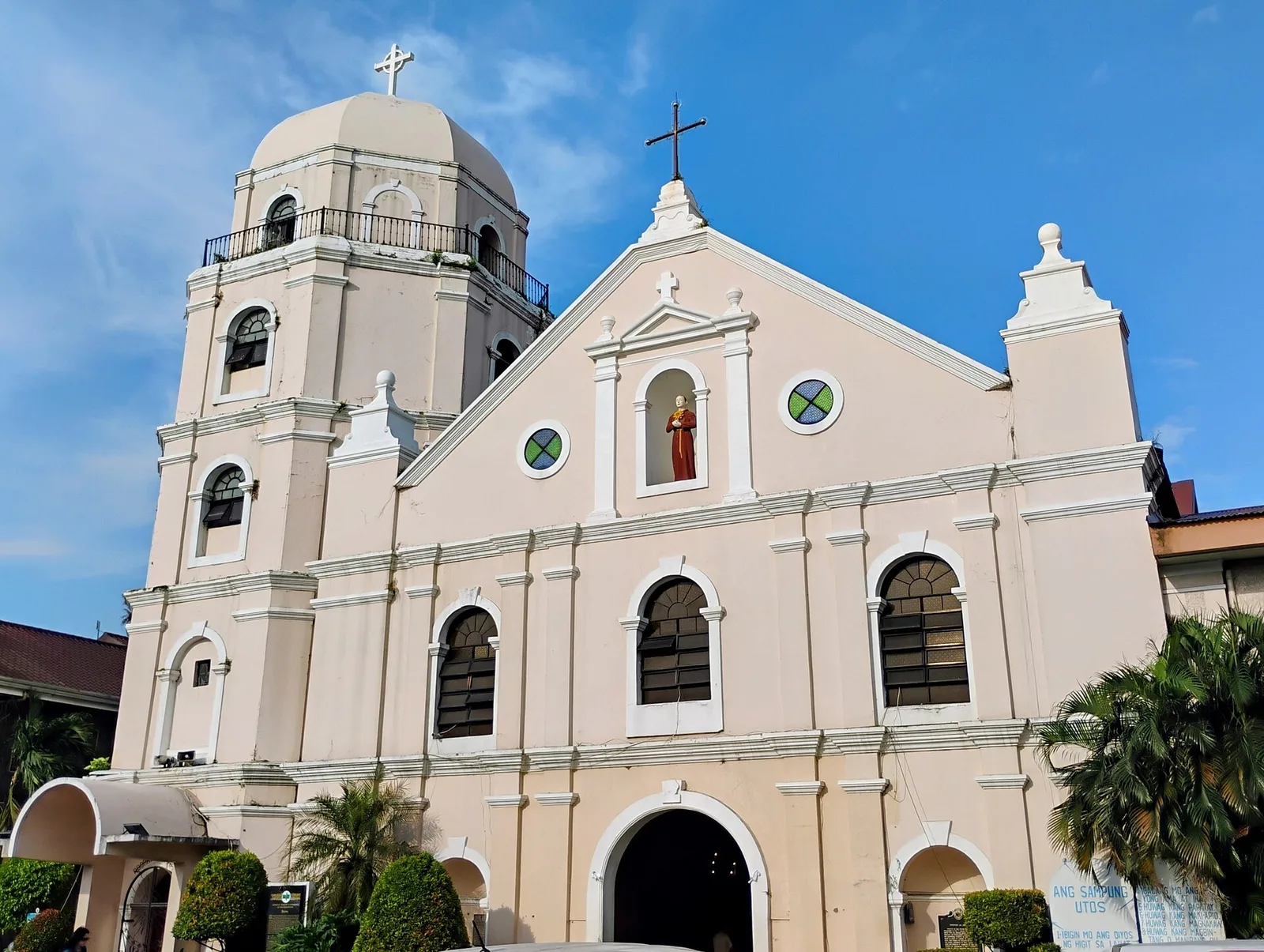
A parish church known for its fertility rites: three days of dancing every May for three patrons, Saint Pascual Baylon, Saint Claire of Assisi and Our Lady of Salambao. Pilgrims dance inside the church, and a procession through the streets …
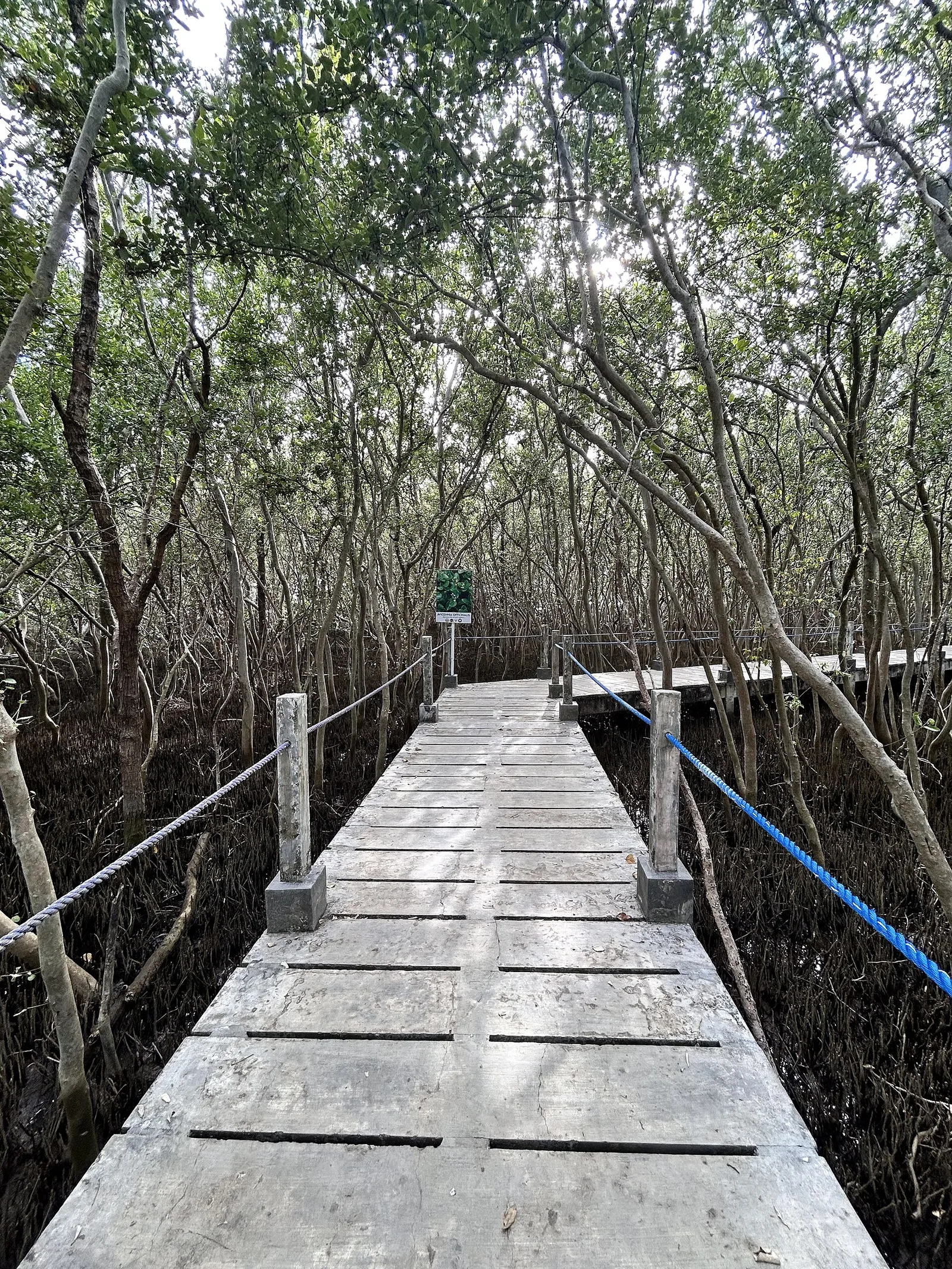
An 11-hectare wetland park in Barangay Tortugas, on the East Asian-Australasian Flyway. Tet Garcia and Michael Lu, president of the Wild Bird Club of the Philippines, founded it, and it has been the site of the Ibong Dayo festival since …
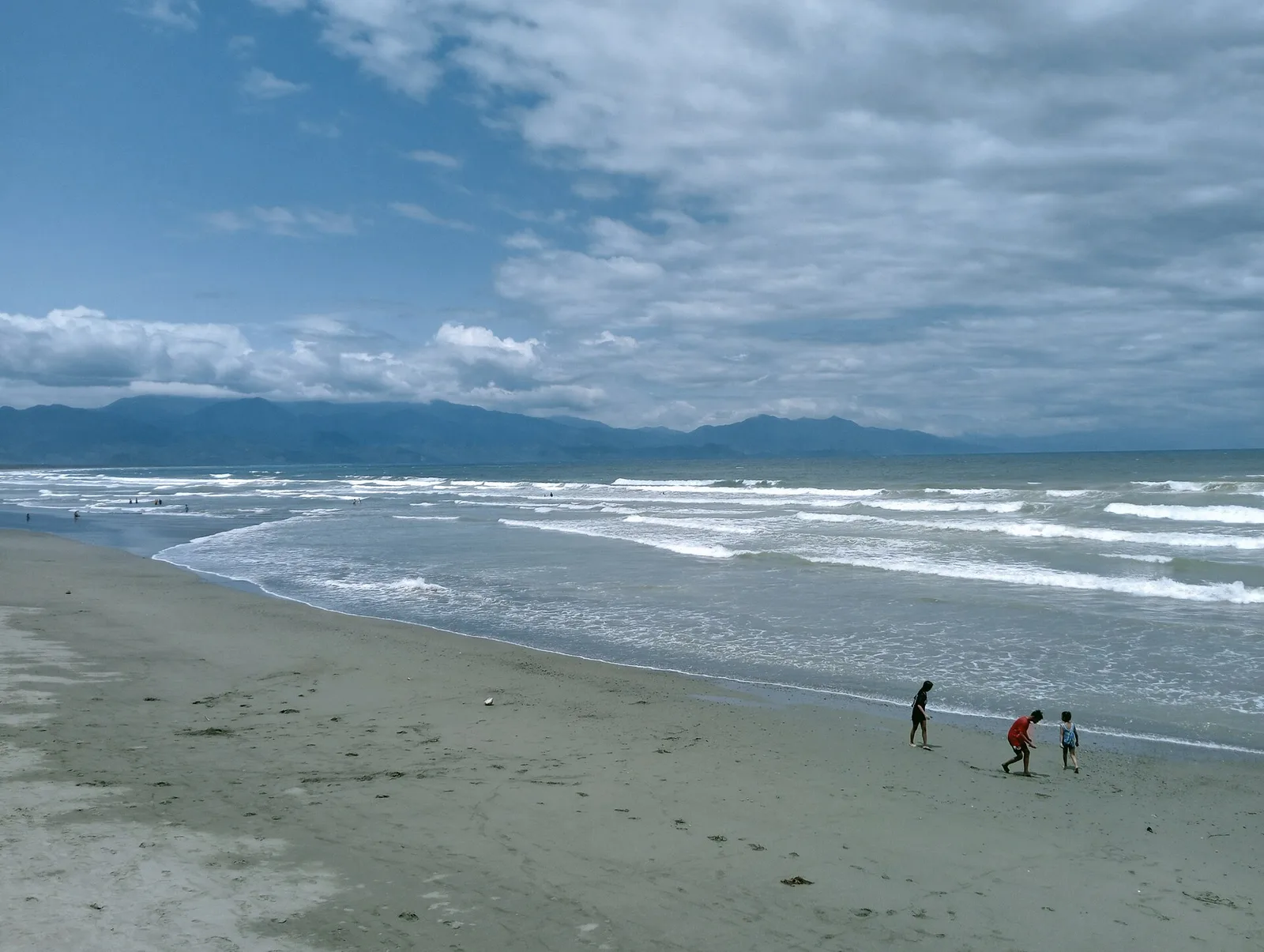
A surf beach at Baler, the provincial capital, on the coast facing the Philippine Sea. Surfing arrived with the crew of Apocalypse Now, who filmed the helicopter attack and the surfing sequences at Baler in 1976 and 1977. Local people …
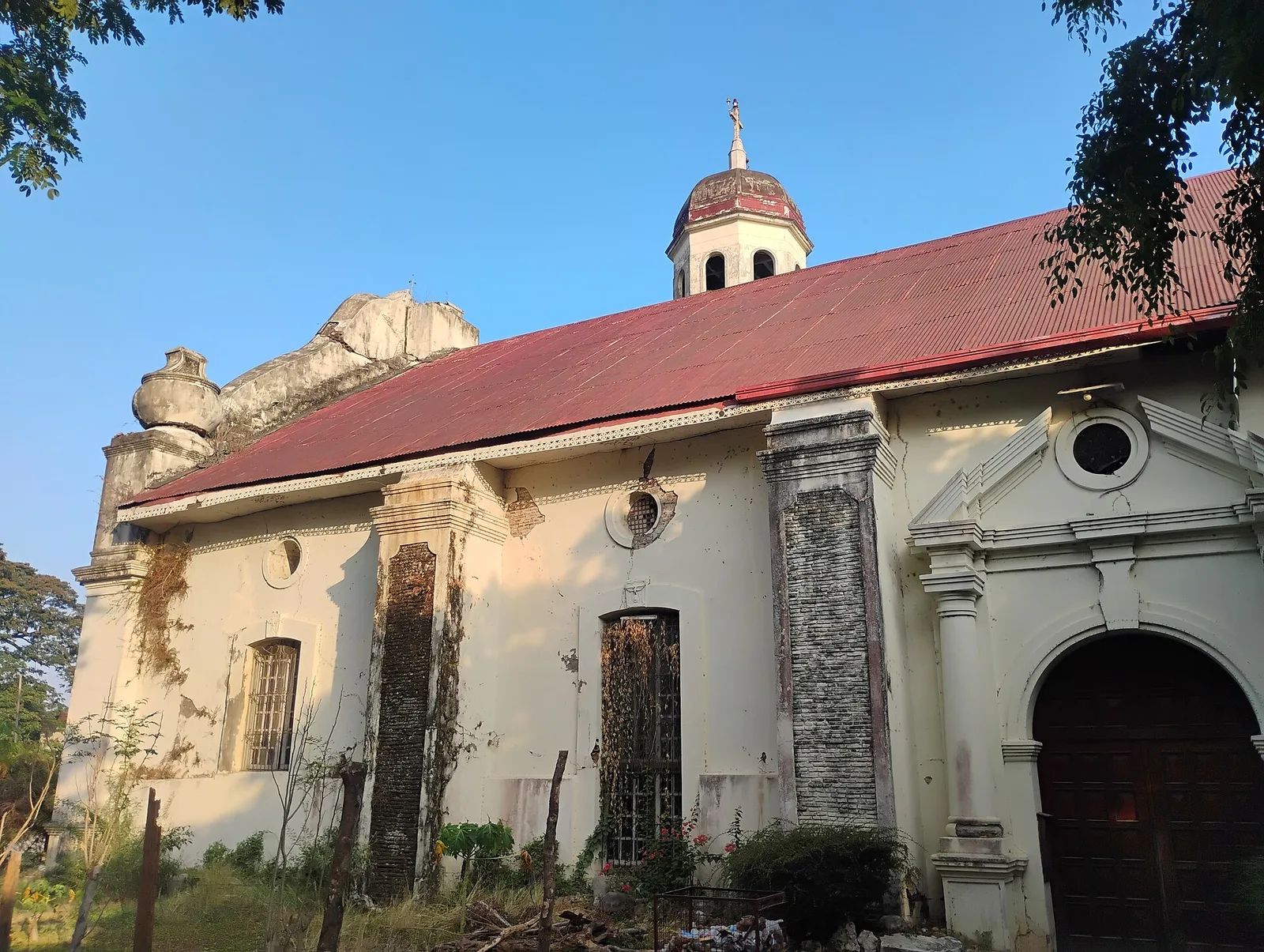
A 19th century Baroque church in Barangay Poblacion, Tayum, declared a National Cultural Treasure by the National Museum of the Philippines in 2001 along with 25 other Spanish era churches. Secular priests, not friars, founded and built it to Christianize …
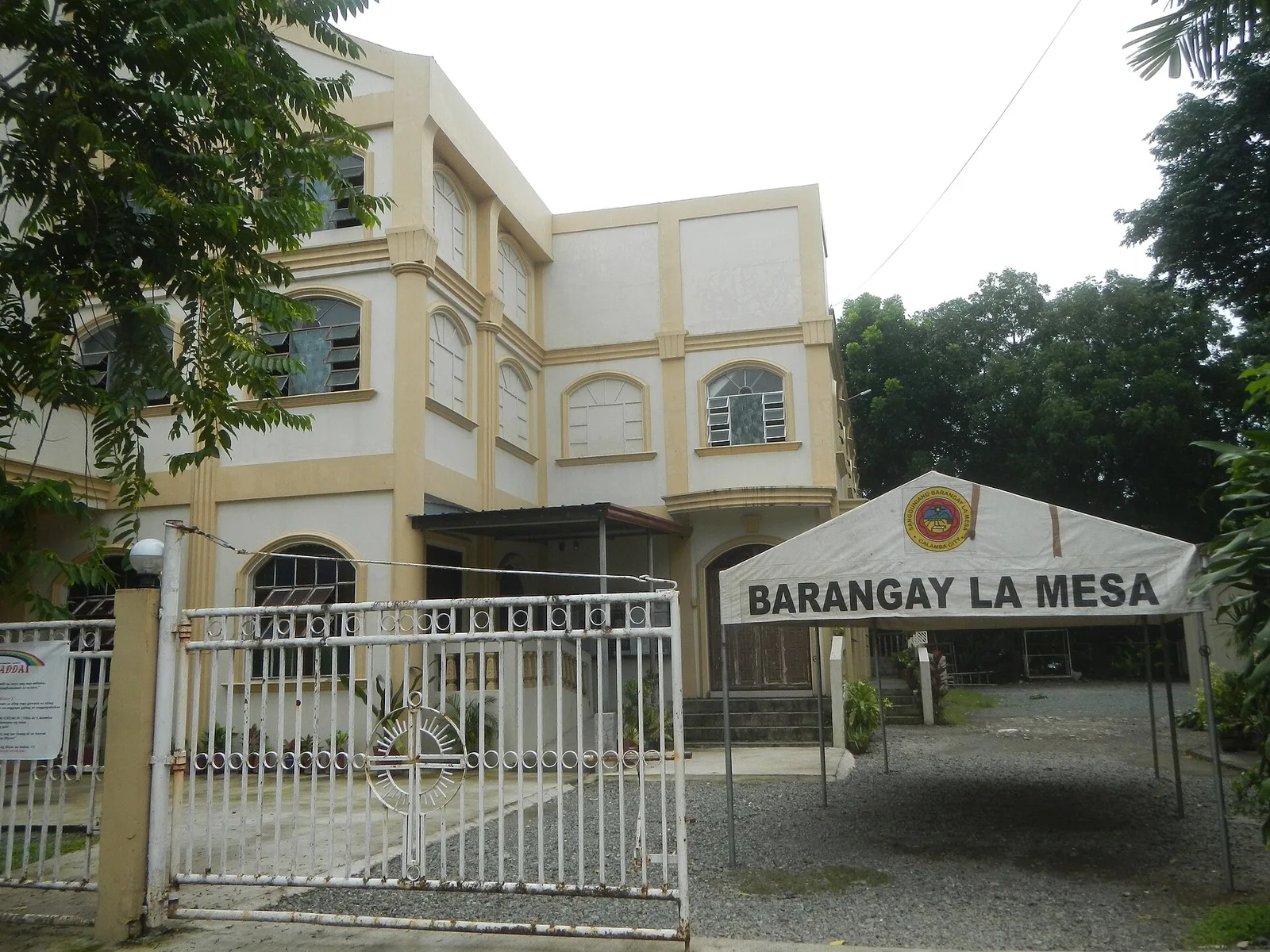
The oldest Catholic church in the city, and the place where Jose Rizal was baptised. It stands next door to the house where he was born. The church of Saint John the Baptist dates from 1859. Japanese troops burned it …
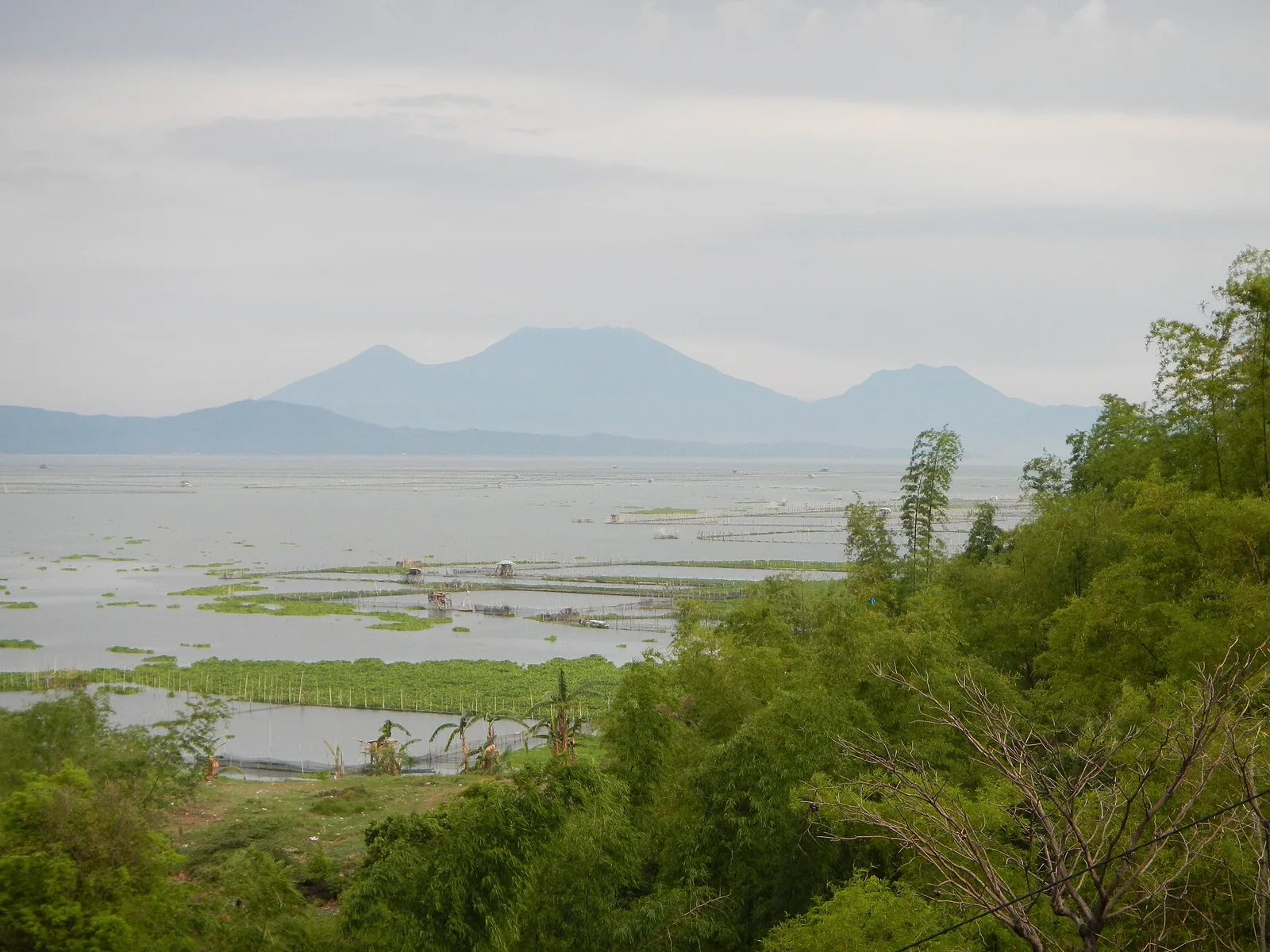
The highest mountain in Laguna, in Quezon and in the whole Calabarzon region: an active volcano with three peaks that dominates the landscape for miles around. The summit reaches 2,170 metres and holds a caldera 210 metres deep, broken open …
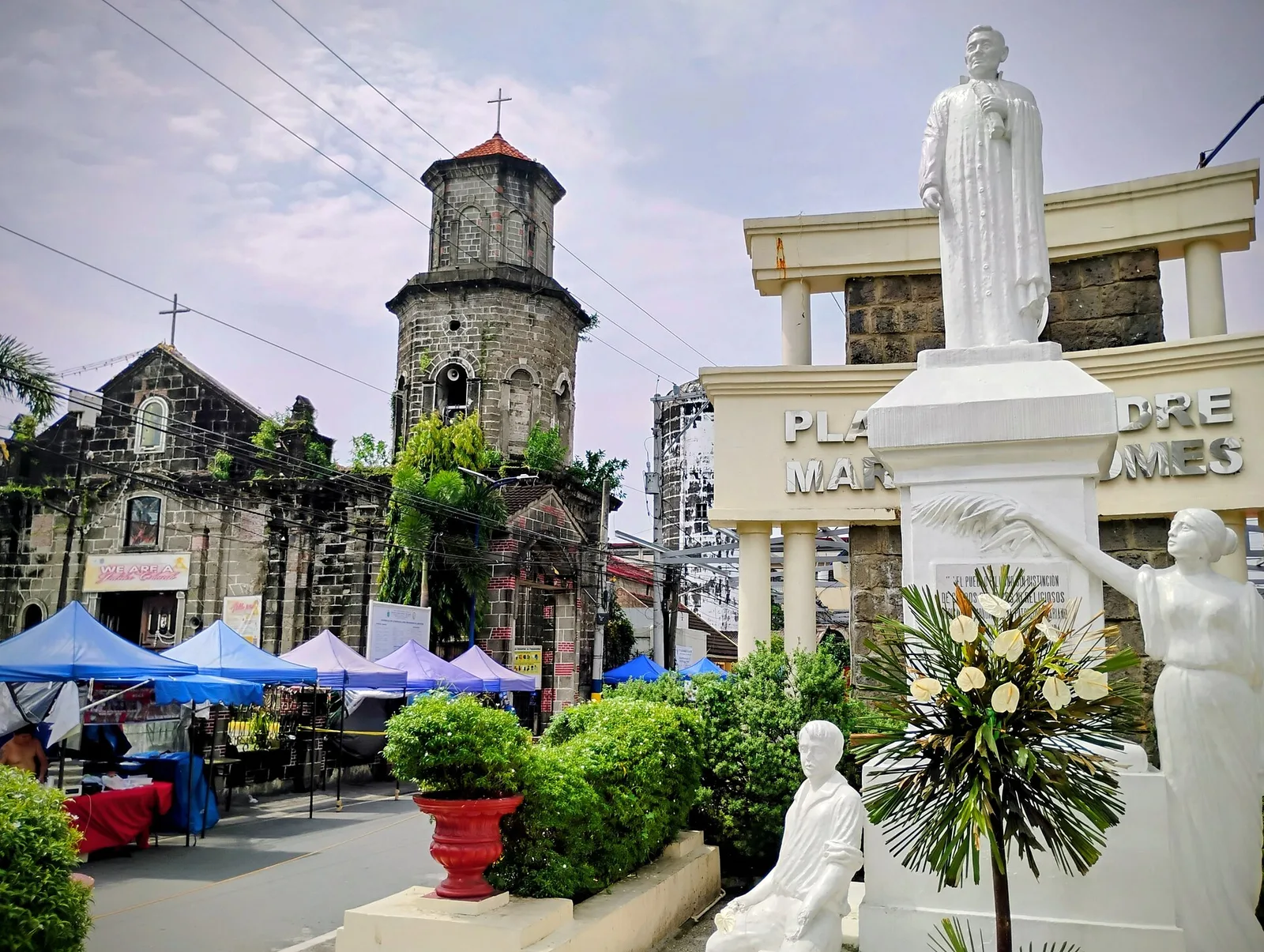
The public square beside Bacoor Church carries the name of Mariano Gomez, the parish priest of the town. Spanish authorities tied him to the Cavite Mutiny of 1872 and executed him at Bagumbayan with the two other priests known as …
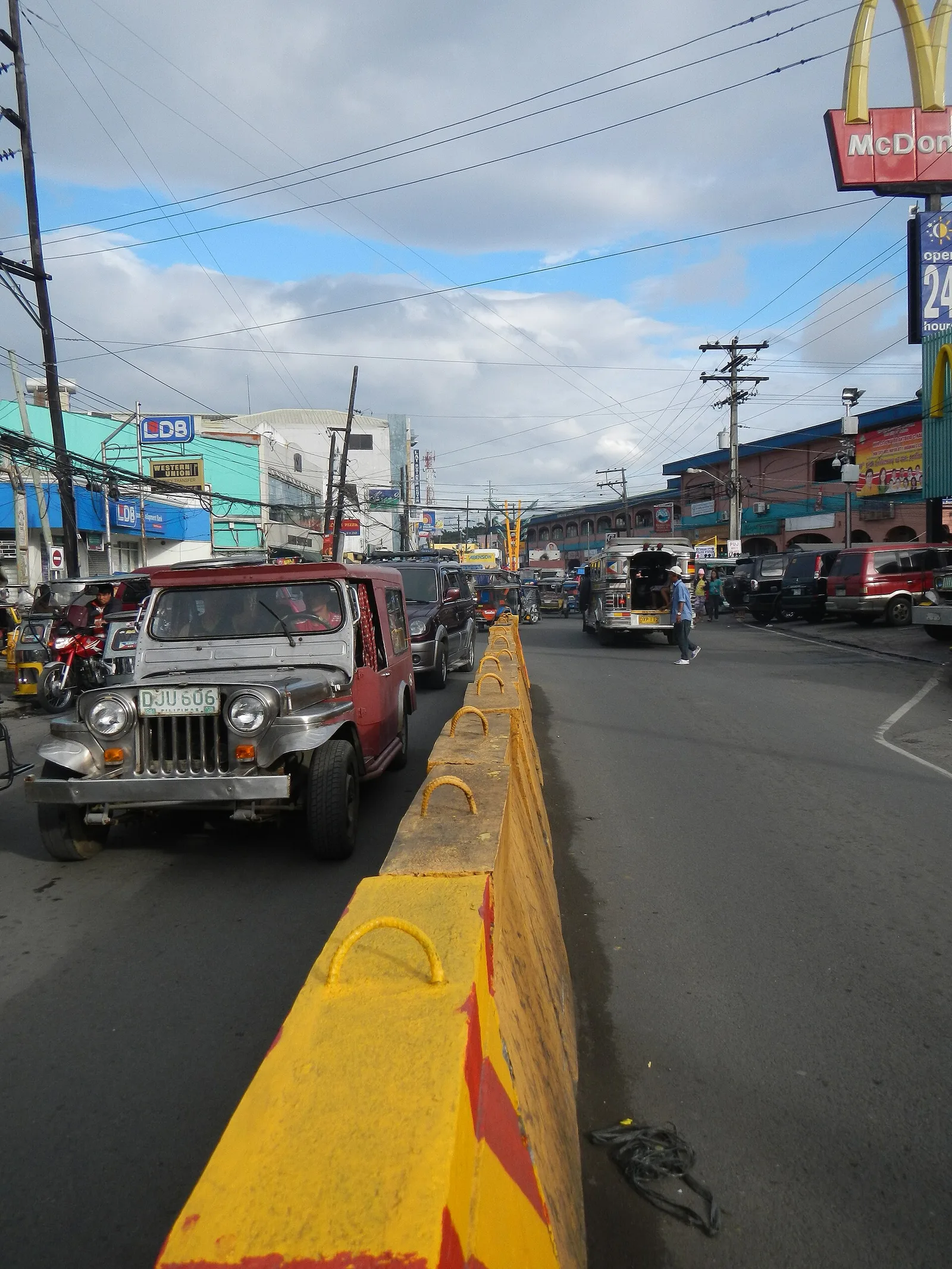
A parish church of 1881, with a facade in Romanesque and Renaissance styles and bell towers under Baroque domes. Fourteen life-sized Stations of the Cross stand in the church compound. The church was repaired in 1948 after damage in the …
A museum and memorial to Miguel Malvar, a hero of the Philippine Revolution and the Philippine-American War. He was the last Filipino general to surrender to the Americans, and Santo Tomas is his hometown.
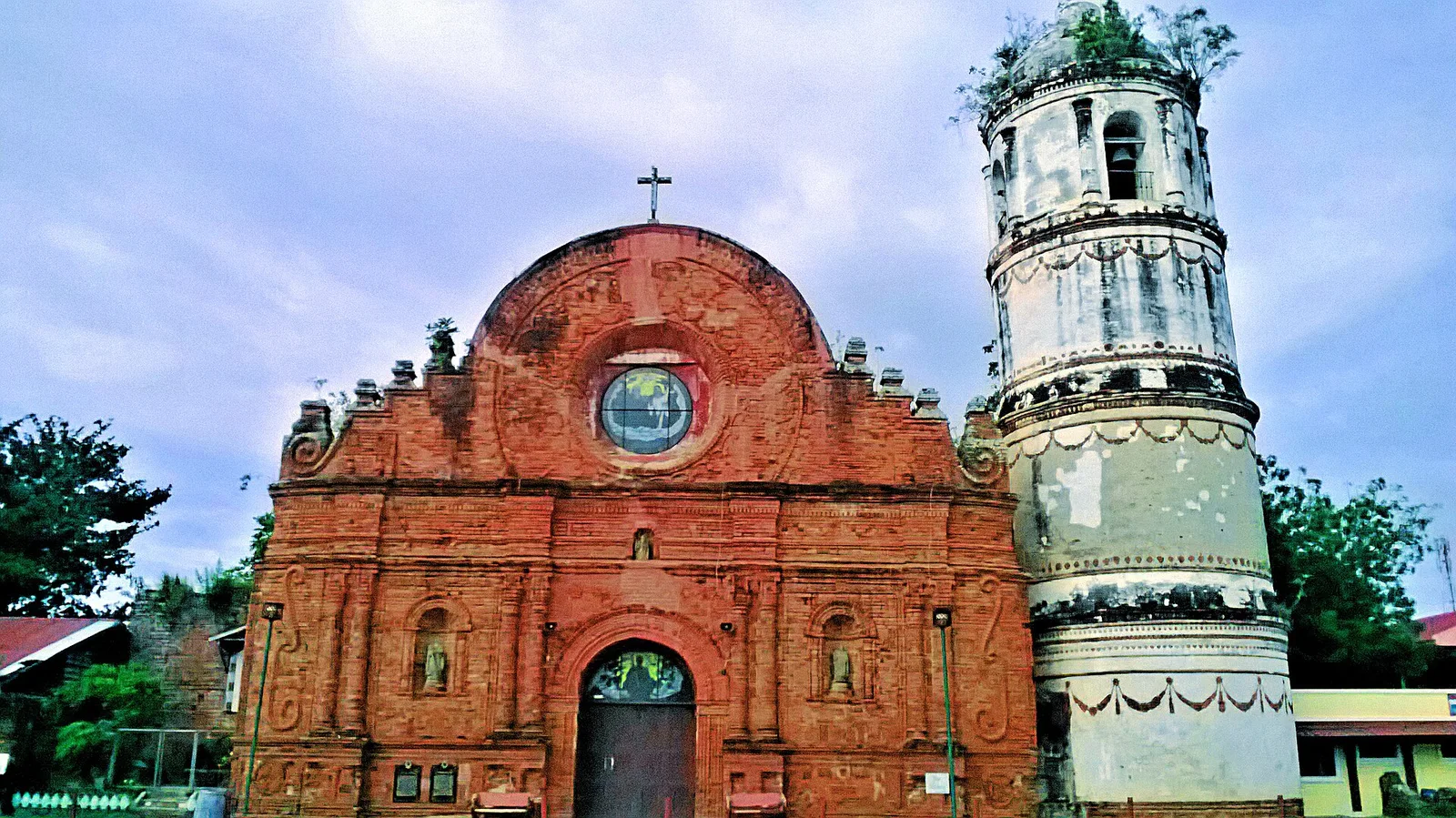
A Baroque church of red brick, inside and out, and a National Cultural Treasure. It became a parish of its own, separate from Cabagan, in 1751, under the patronage of Saint Matthias. The Dominican Domingo Forto started the present building …
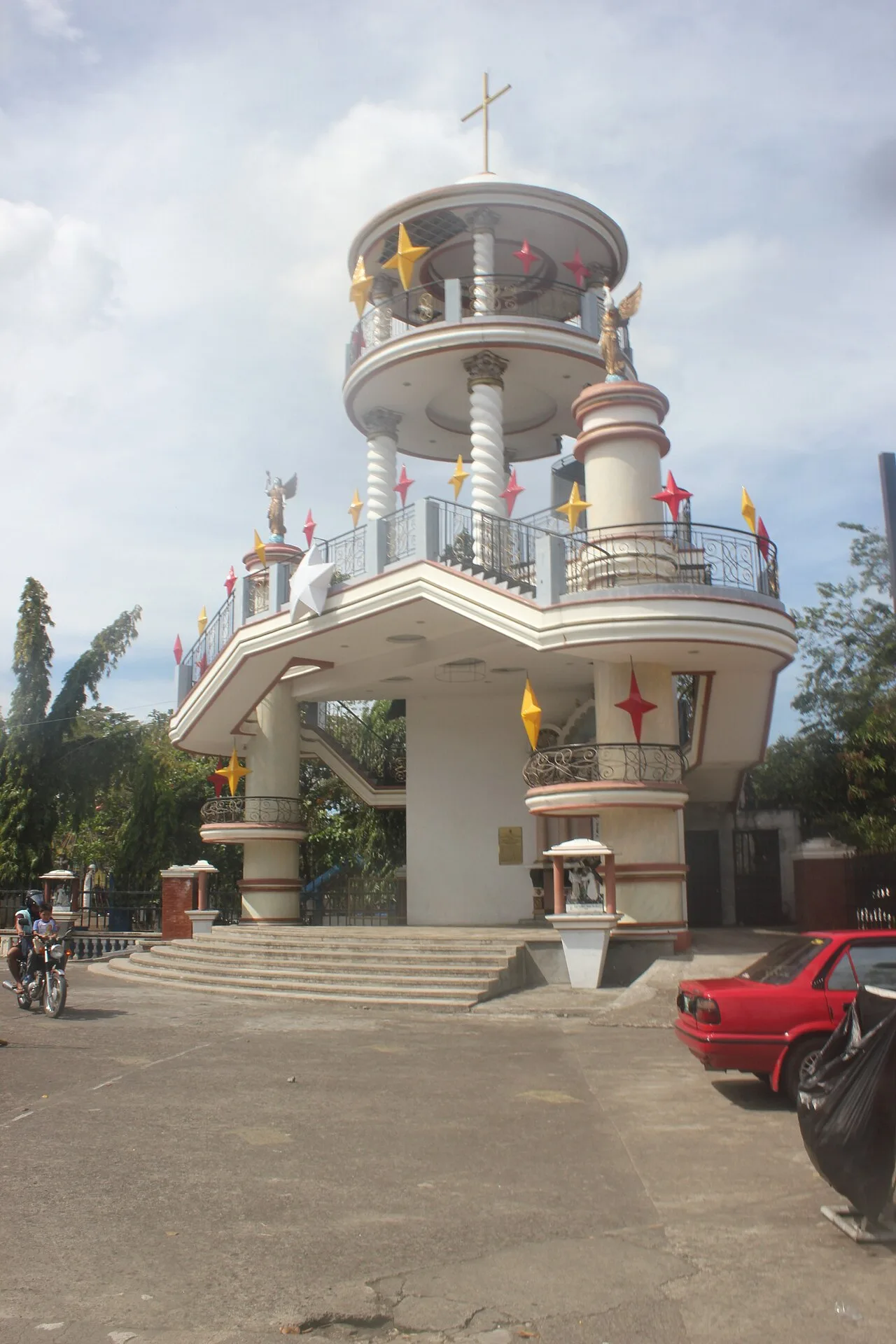
The parish church of Saint Anthony of Padua, built with two belfries and named a national landmark by the National Historical Commission of the Philippines in 1939. It is an archdiocesan shrine under the Archdiocese of Caceres. Three churches came …
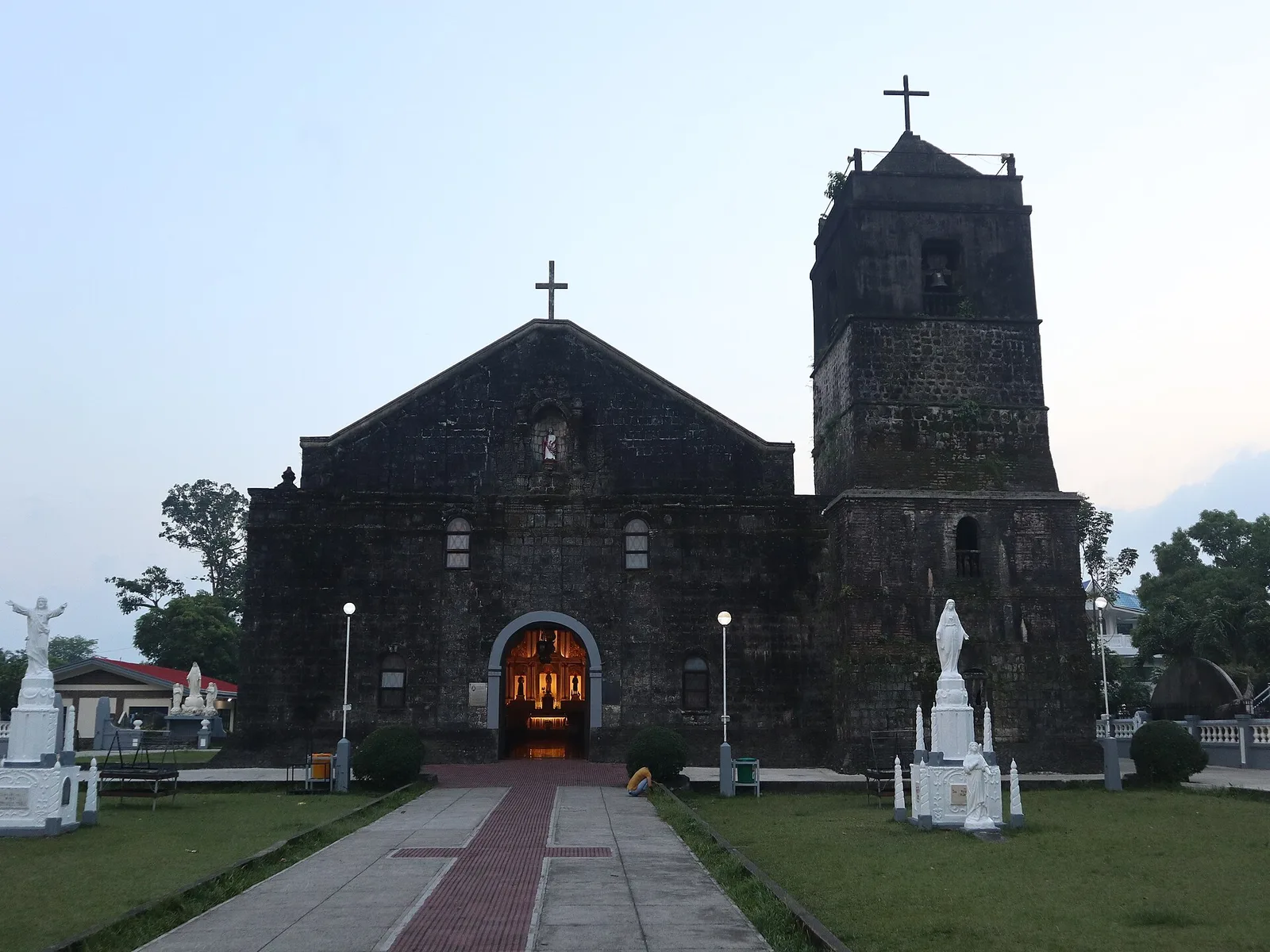
The oldest church in Camarines Norte, built by Franciscan friars in 1611. Its Spanish name is Parroquia de San Pedro Apostol, and the parish belongs to the Diocese of Daet. A fire on December 26, 2012 gutted the church and …