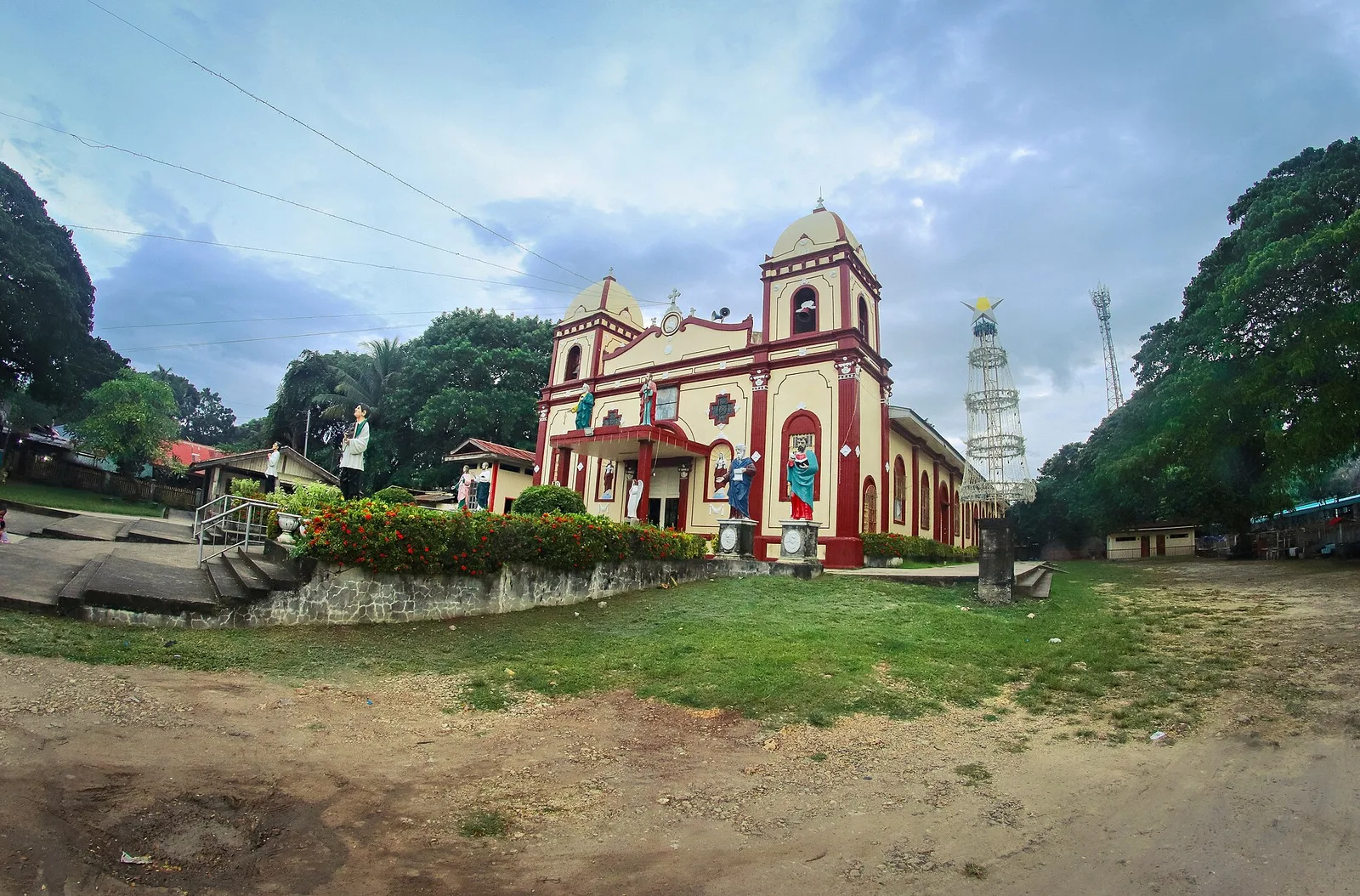
San Vicente Ferrer Church
A Catholic church at Vito, also called the Vito Church. The feast of its patron, Saint Vincent Ferrer, falls on 1 and 2 May.
Showing 31 to 60 of 74
A Catholic church at Vito, also called the Vito Church. The feast of its patron, Saint Vincent Ferrer, falls on 1 and 2 May.
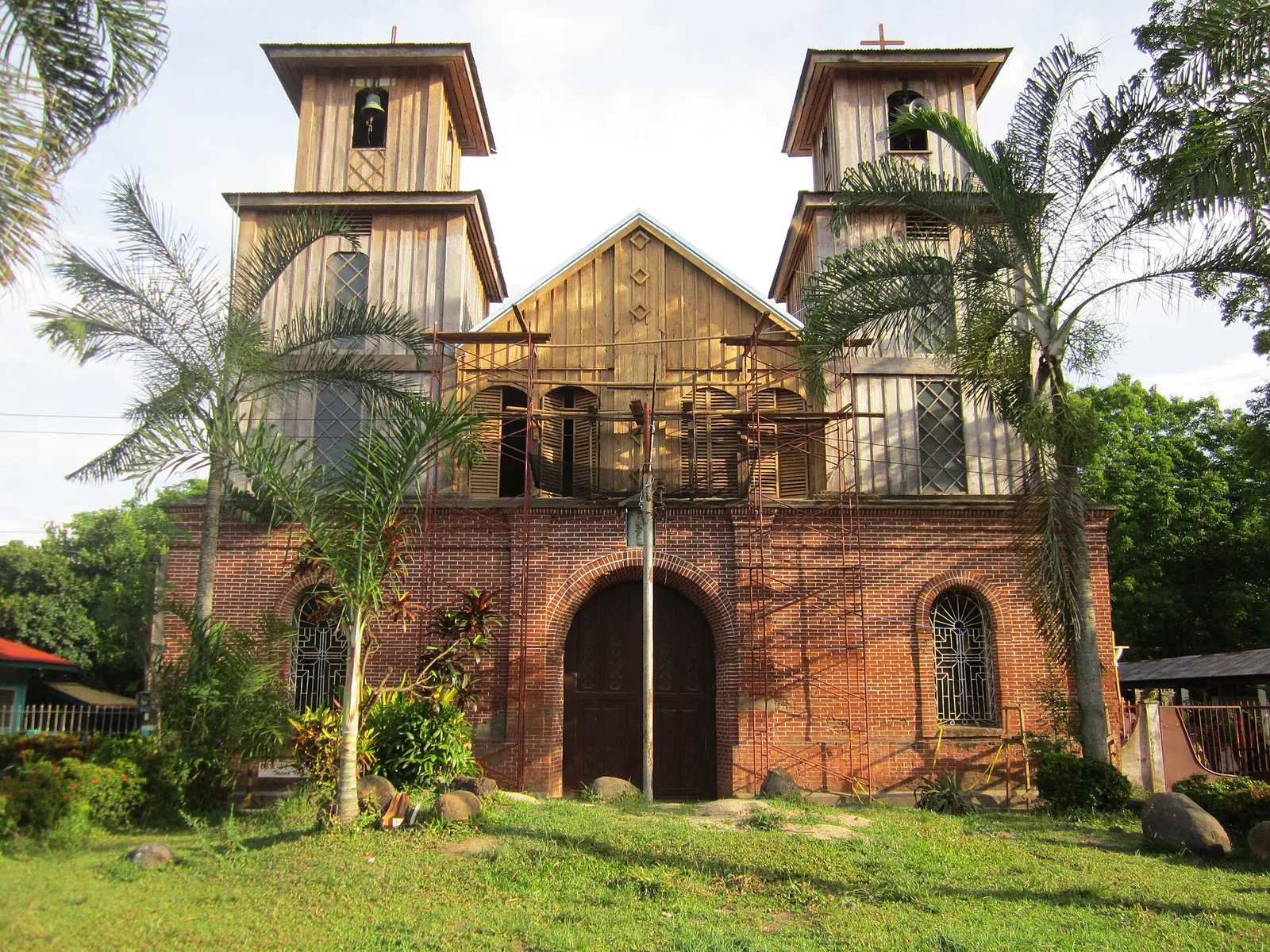
A Baroque church built as a provincial copy of San Ignacio Church in Intramuros, Manila. The National Museum declared it a National Cultural Treasure for its artistic design and cultural value. The Jesuit brothers Francisco Rivera and Juan Cuesta are …
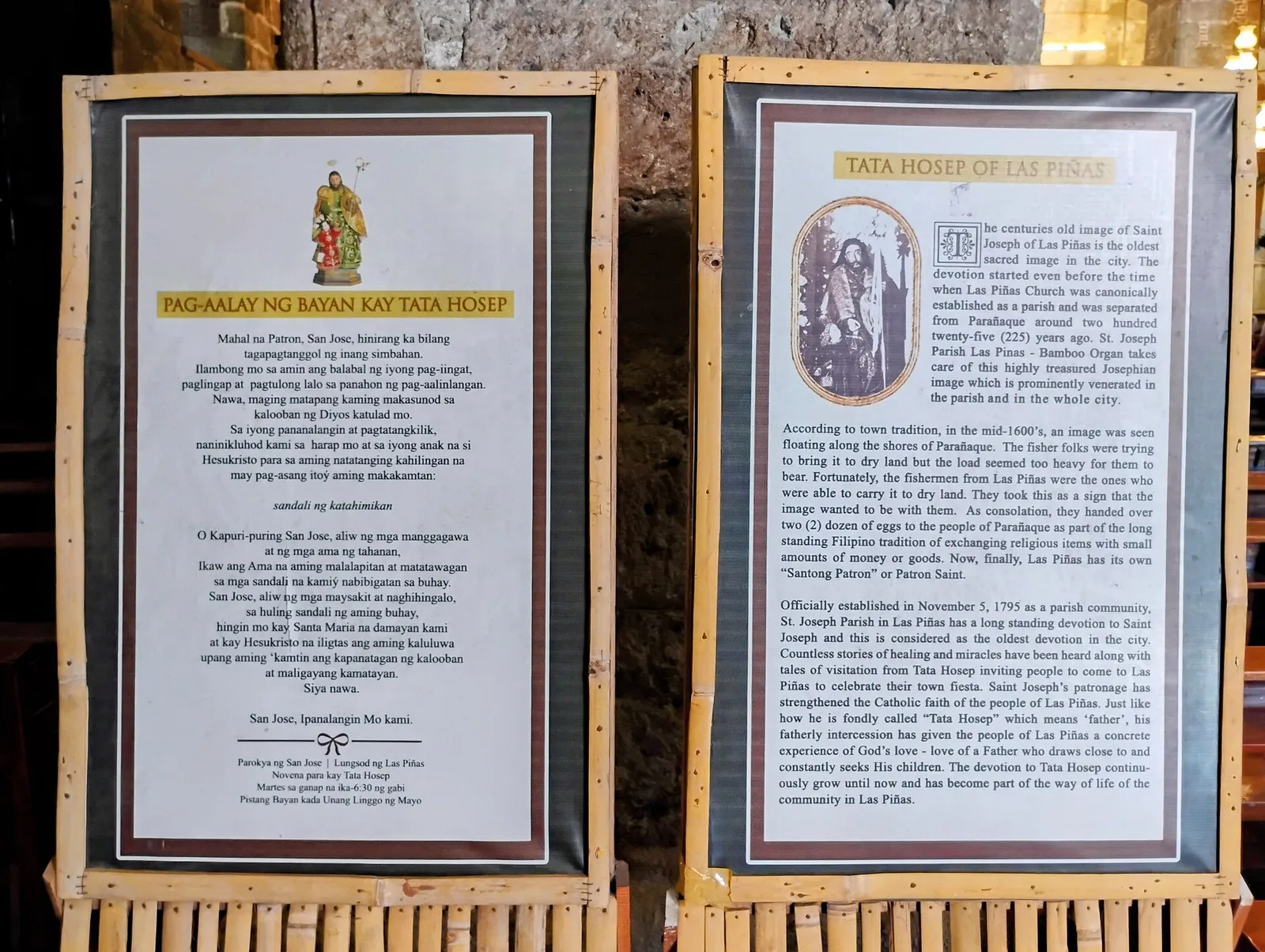
The church that holds the Bamboo Organ, a pipe organ whose pipes are made mostly of bamboo. Father Diego Cera built the organ in 1824, and it is the only organ of its kind in the world. The church sits …
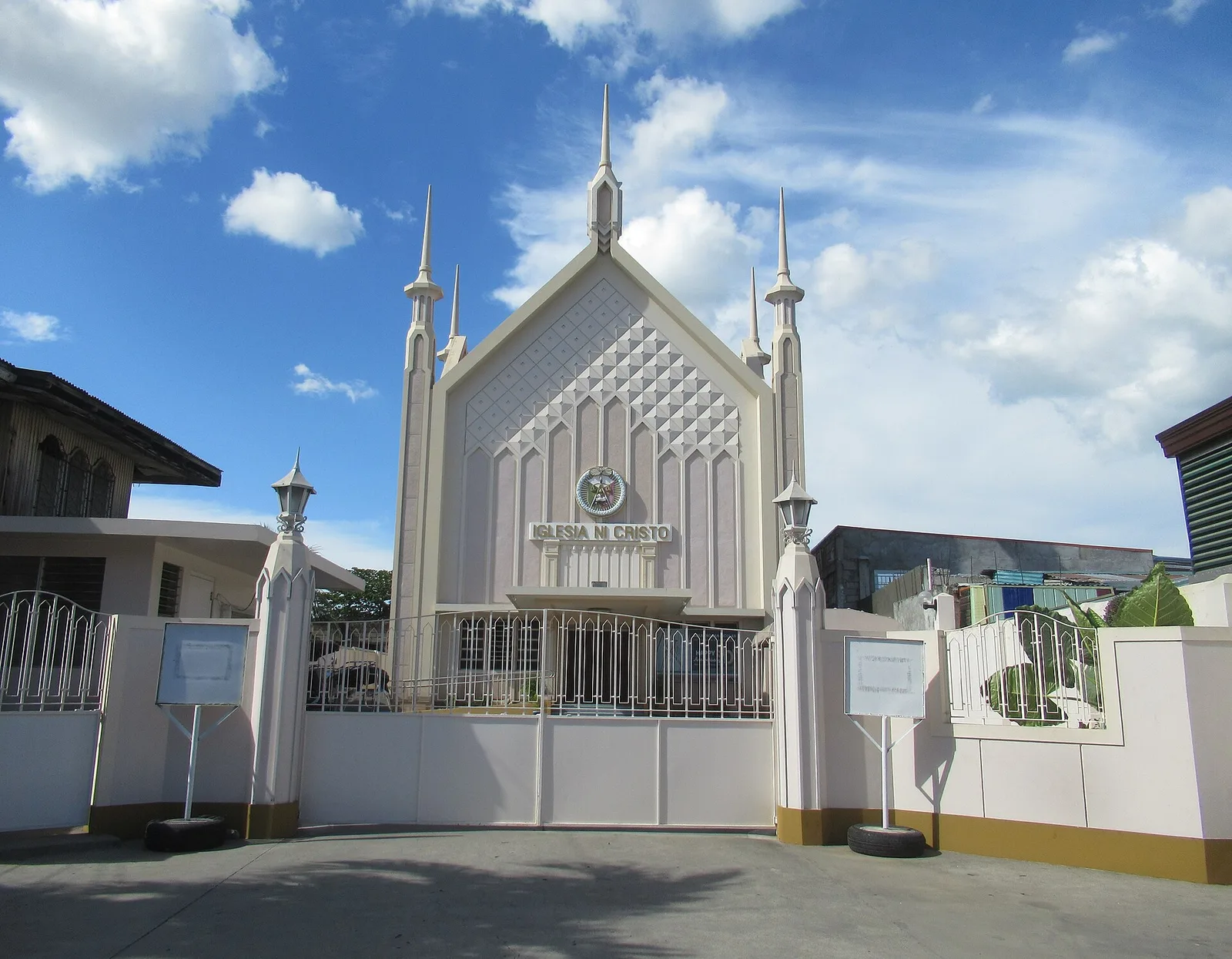
The oldest and the biggest colonial church in Nueva Ecija, founded in the 1500s and one of the oldest Roman Catholic churches in the country. It is the parish of the Three Kings and the shrine of La Virgen Divina …
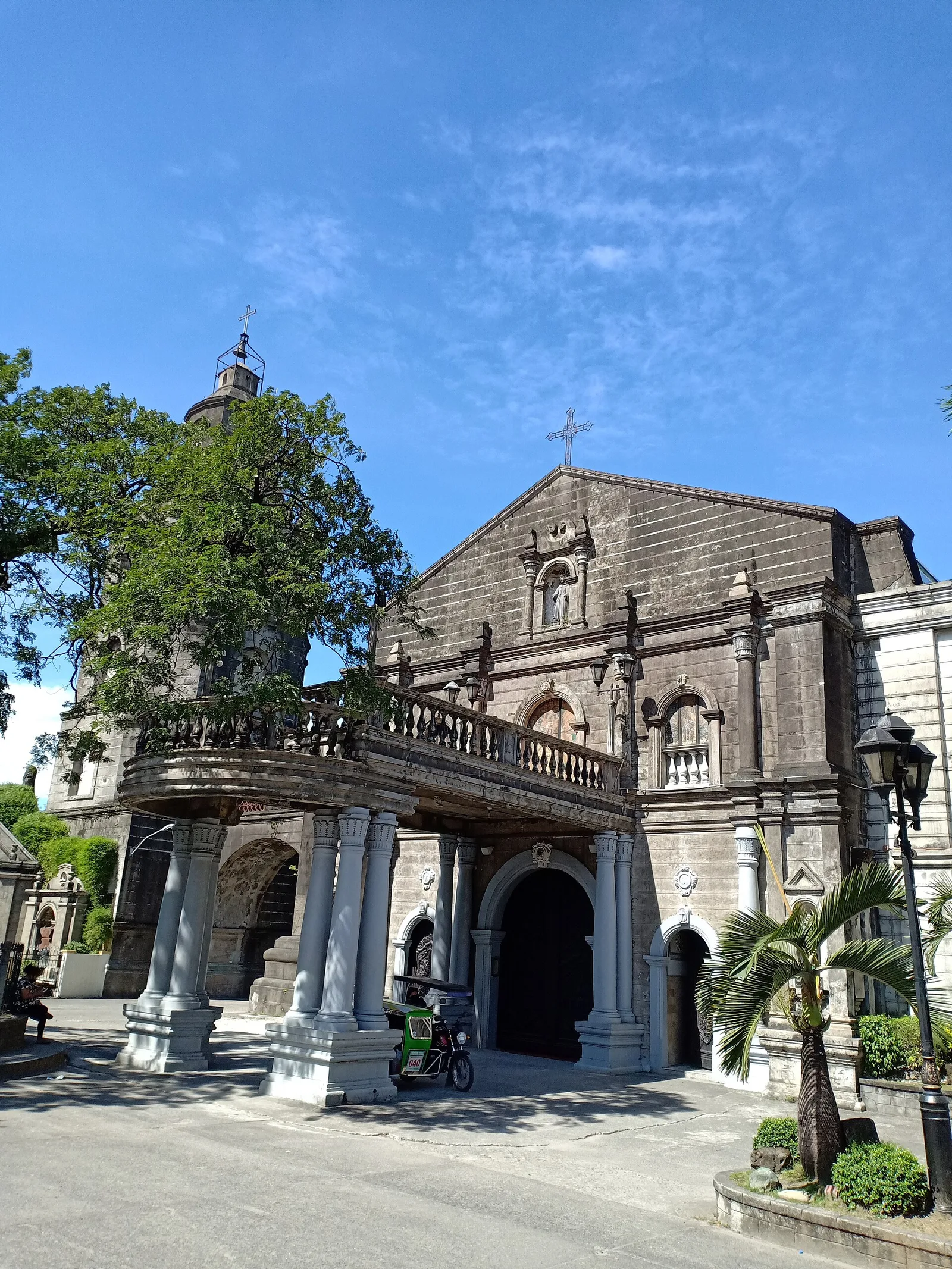
One of the oldest parishes in Bulacan, older than Malolos Cathedral and Barasoain Church. The Franciscans Juan de Placencia and Diego Oropesa built the first church here in 1578, from nipa and bamboo. A concrete church replaced it in 1668. …
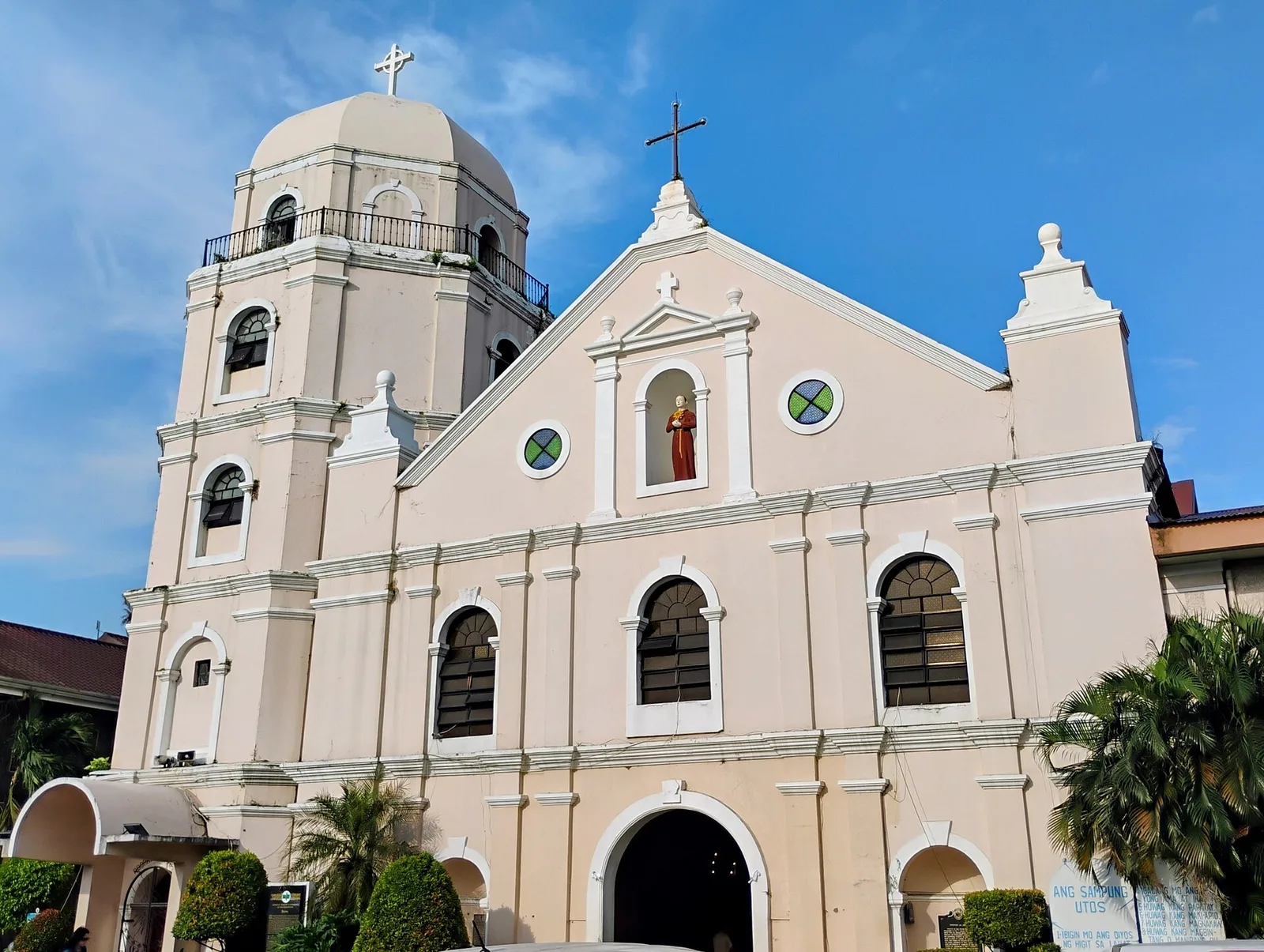
A parish church known for its fertility rites: three days of dancing every May for three patrons, Saint Pascual Baylon, Saint Claire of Assisi and Our Lady of Salambao. Pilgrims dance inside the church, and a procession through the streets …
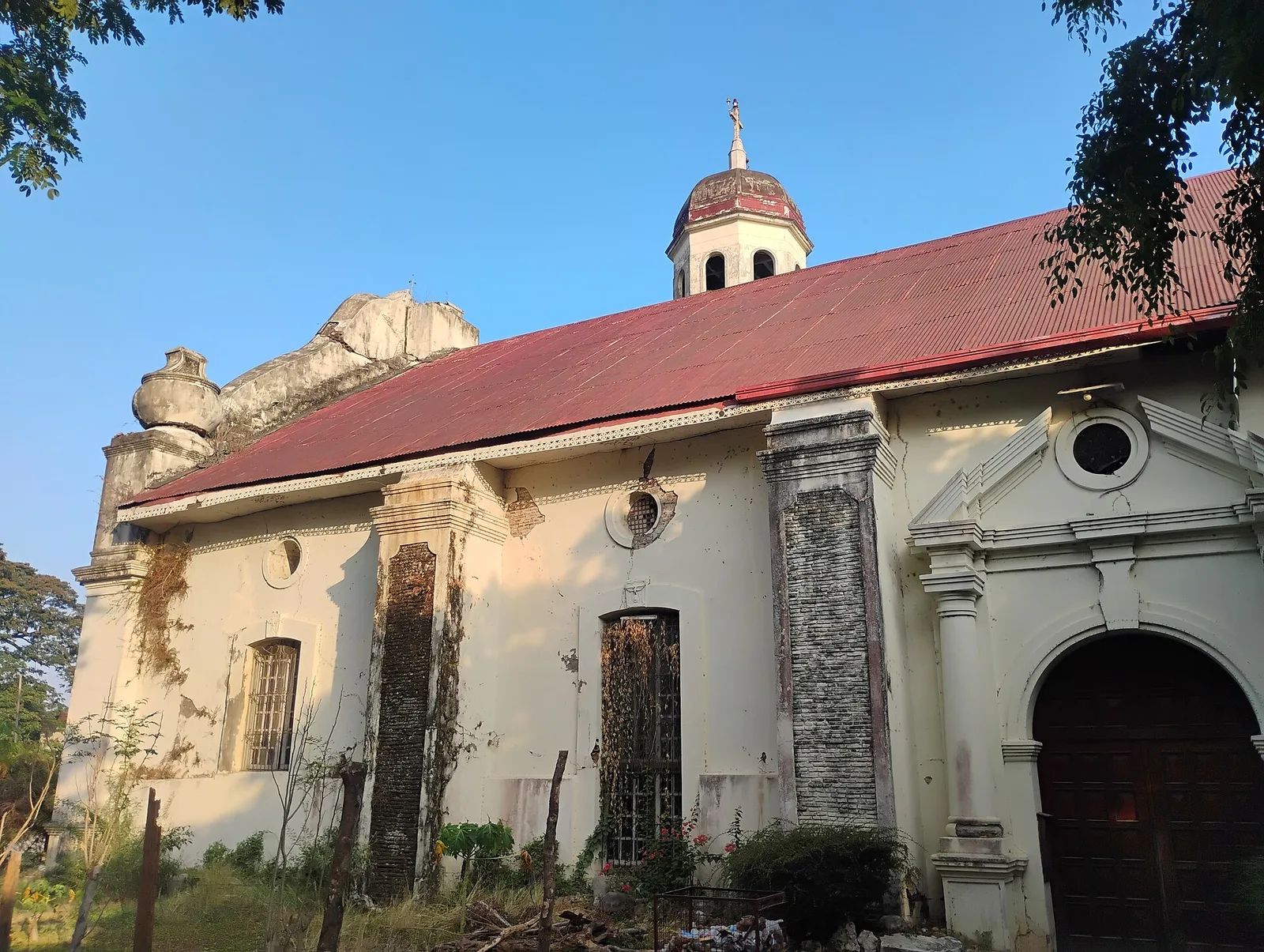
A 19th century Baroque church in Barangay Poblacion, Tayum, declared a National Cultural Treasure by the National Museum of the Philippines in 2001 along with 25 other Spanish era churches. Secular priests, not friars, founded and built it to Christianize …
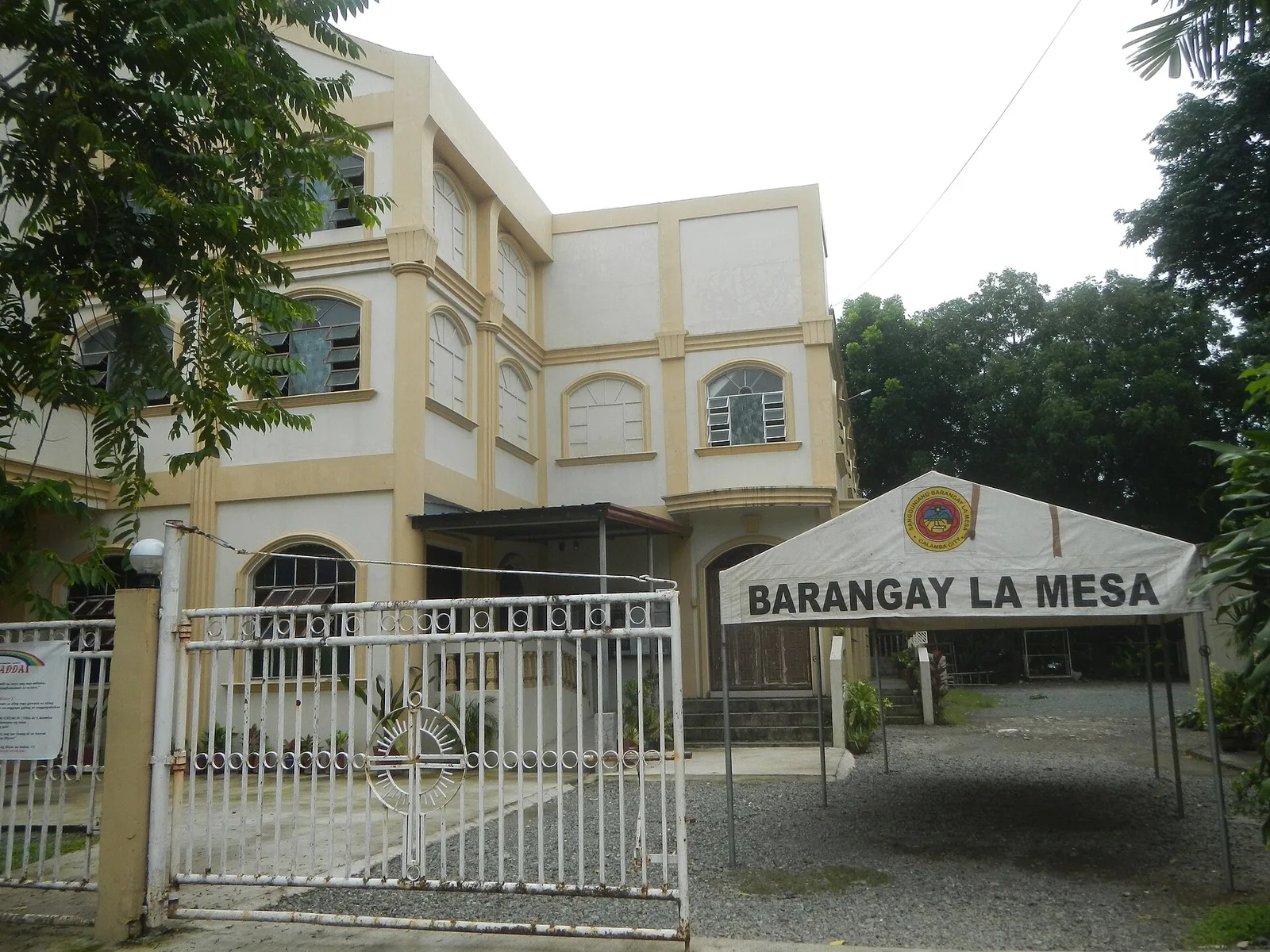
The oldest Catholic church in the city, and the place where Jose Rizal was baptised. It stands next door to the house where he was born. The church of Saint John the Baptist dates from 1859. Japanese troops burned it …
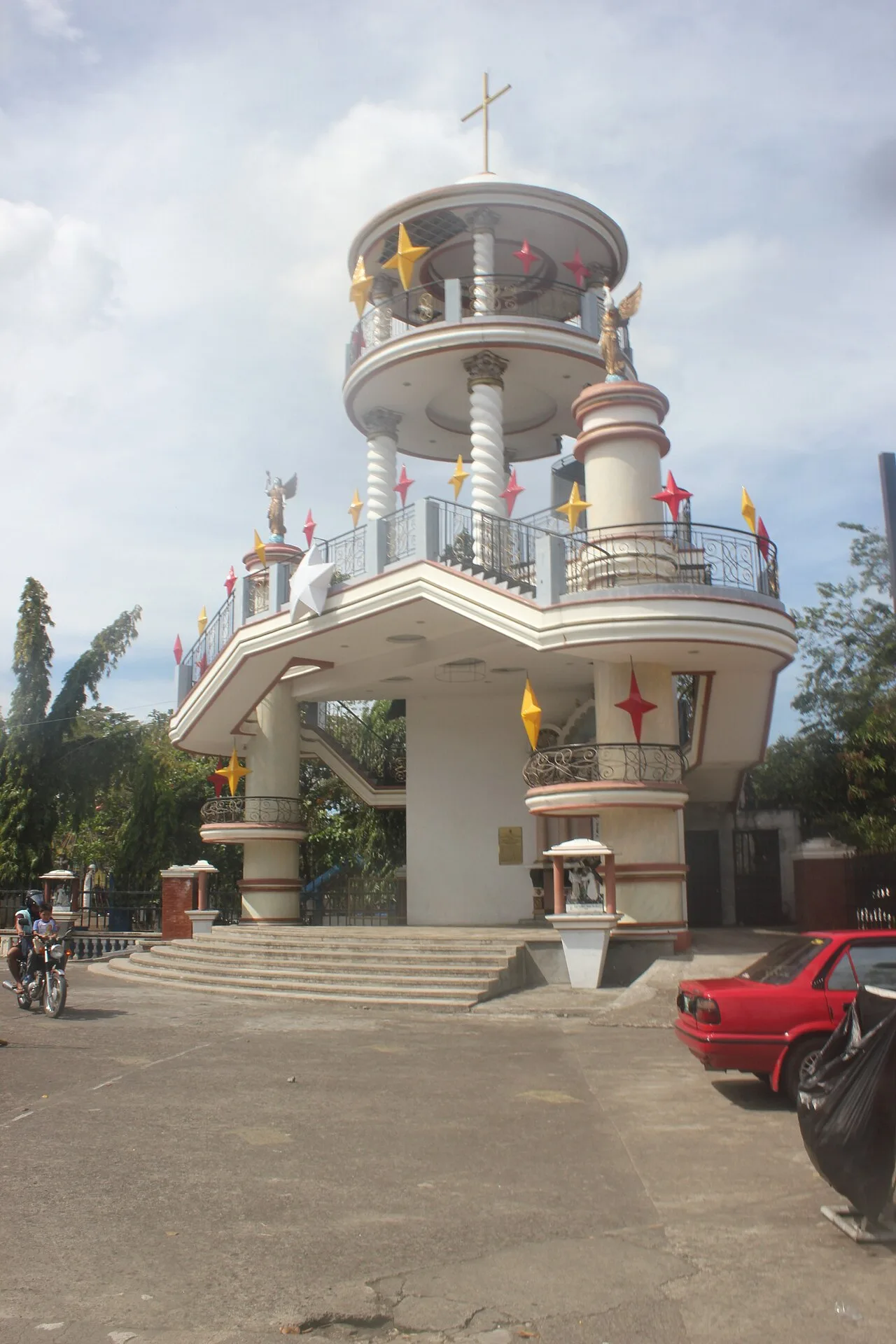
A parish church of 1881, with a facade in Romanesque and Renaissance styles and bell towers under Baroque domes. Fourteen life-sized Stations of the Cross stand in the church compound. The church was repaired in 1948 after damage in the …
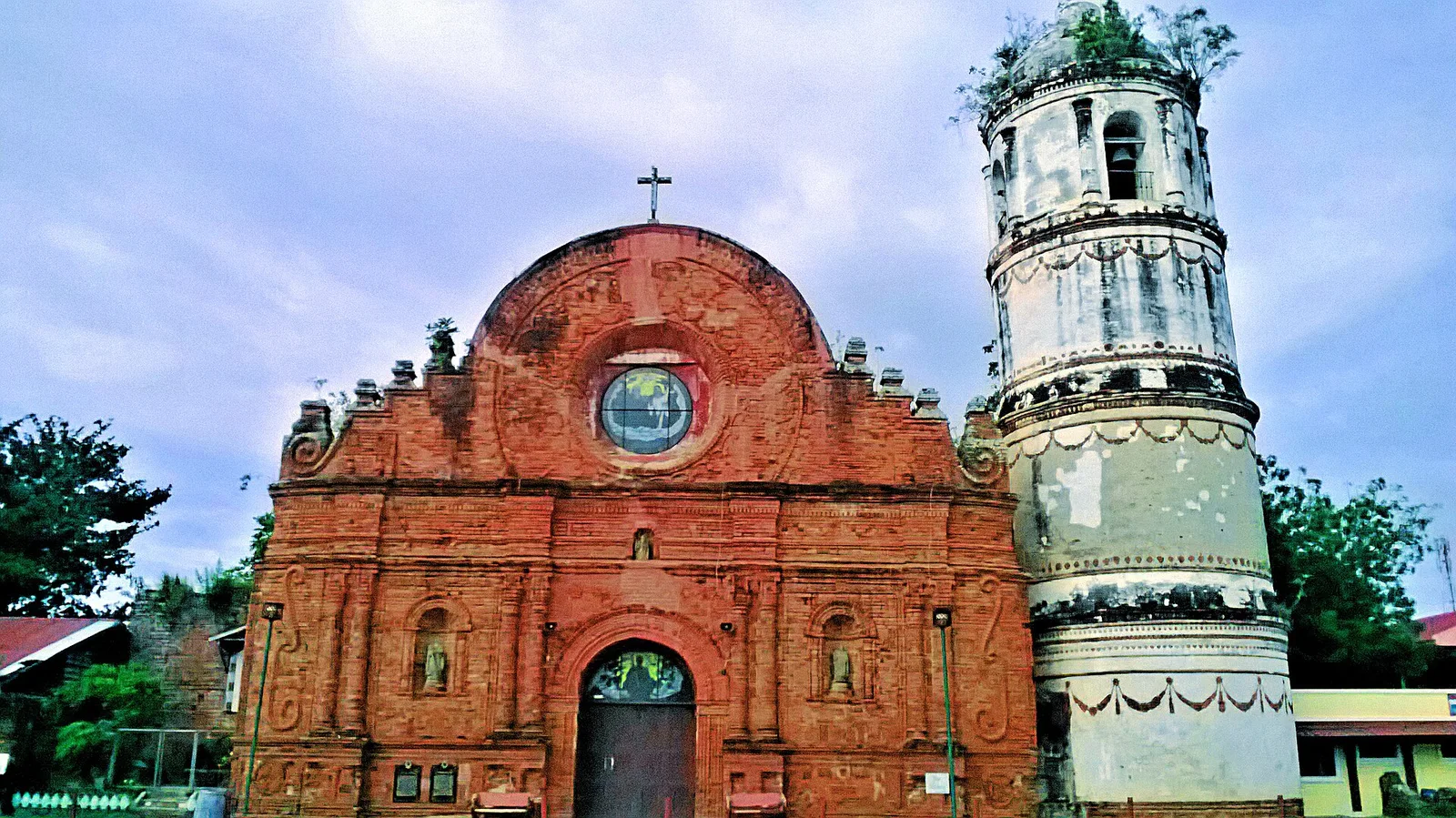
A Baroque church of red brick, inside and out, and a National Cultural Treasure. It became a parish of its own, separate from Cabagan, in 1751, under the patronage of Saint Matthias. The Dominican Domingo Forto started the present building …
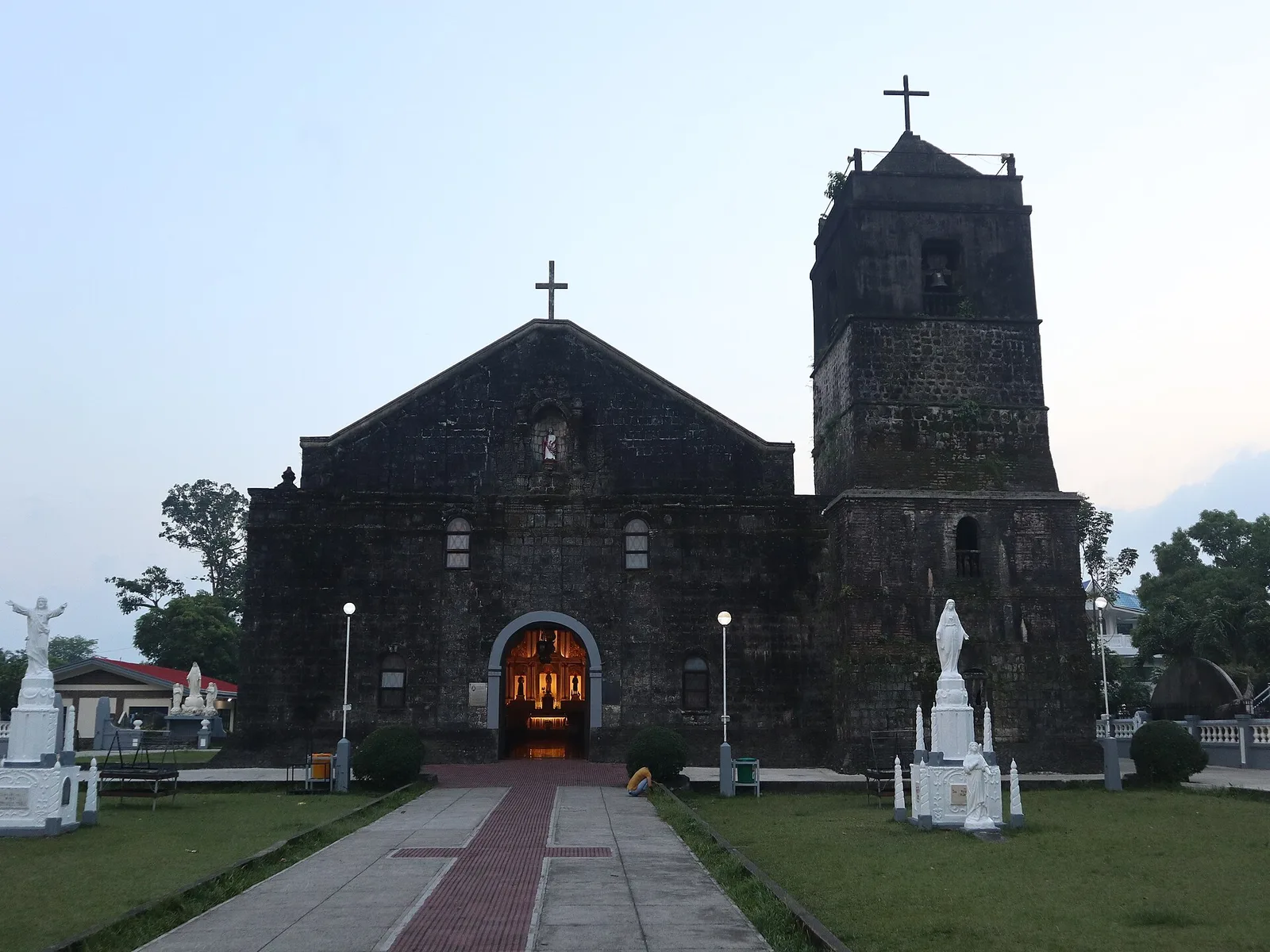
The parish church of Saint Anthony of Padua, built with two belfries and named a national landmark by the National Historical Commission of the Philippines in 1939. It is an archdiocesan shrine under the Archdiocese of Caceres. Three churches came …
The oldest church in Camarines Norte, built by Franciscan friars in 1611. Its Spanish name is Parroquia de San Pedro Apostol, and the parish belongs to the Diocese of Daet. A fire on December 26, 2012 gutted the church and …
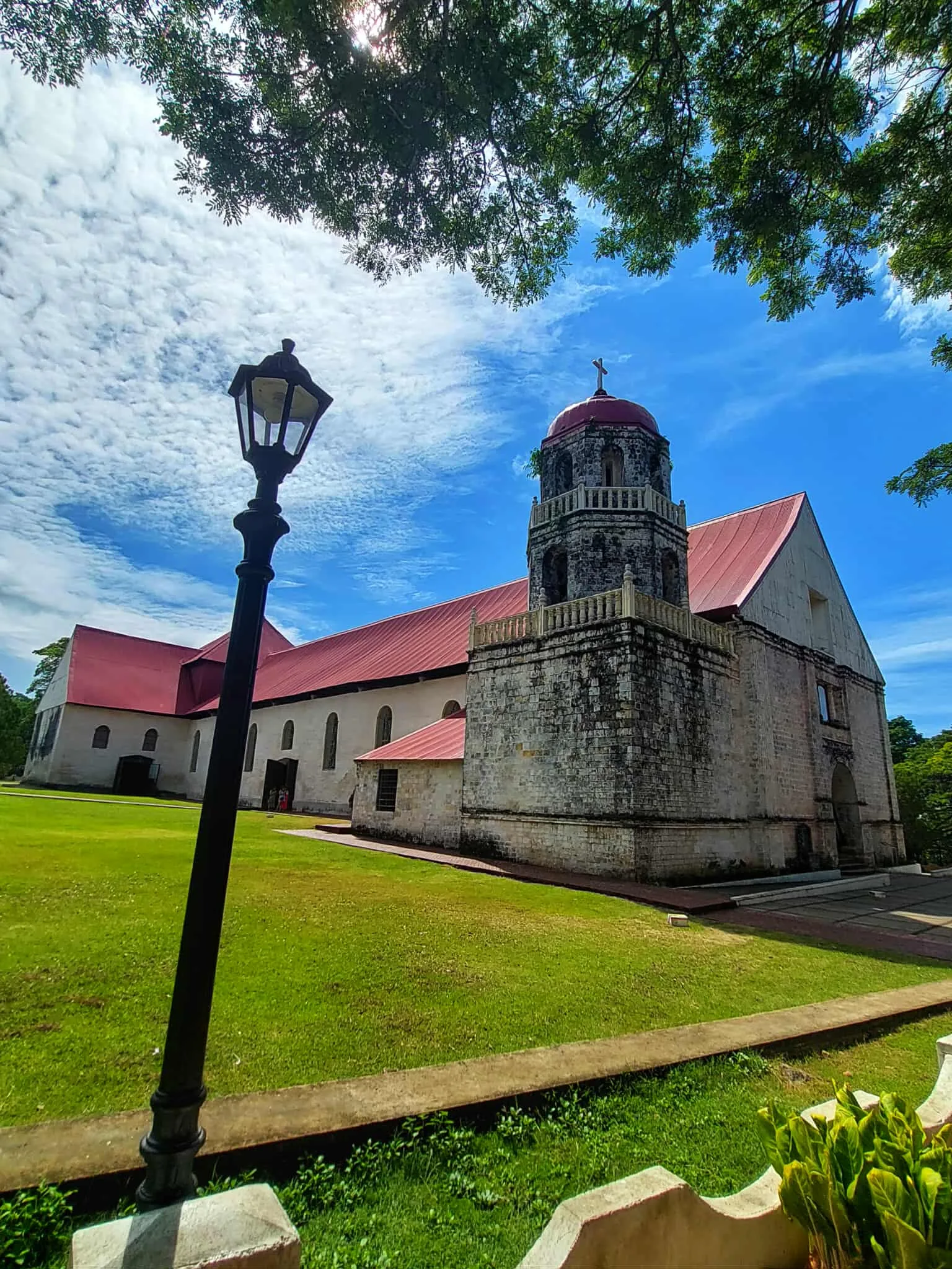
A parish church known for the very large convent beside it. It became an independent parish in 1857 under Saint Isidore the Laborer, and still carries his Spanish name, San Isidro Labrador. The National Museum of the Philippines has declared …
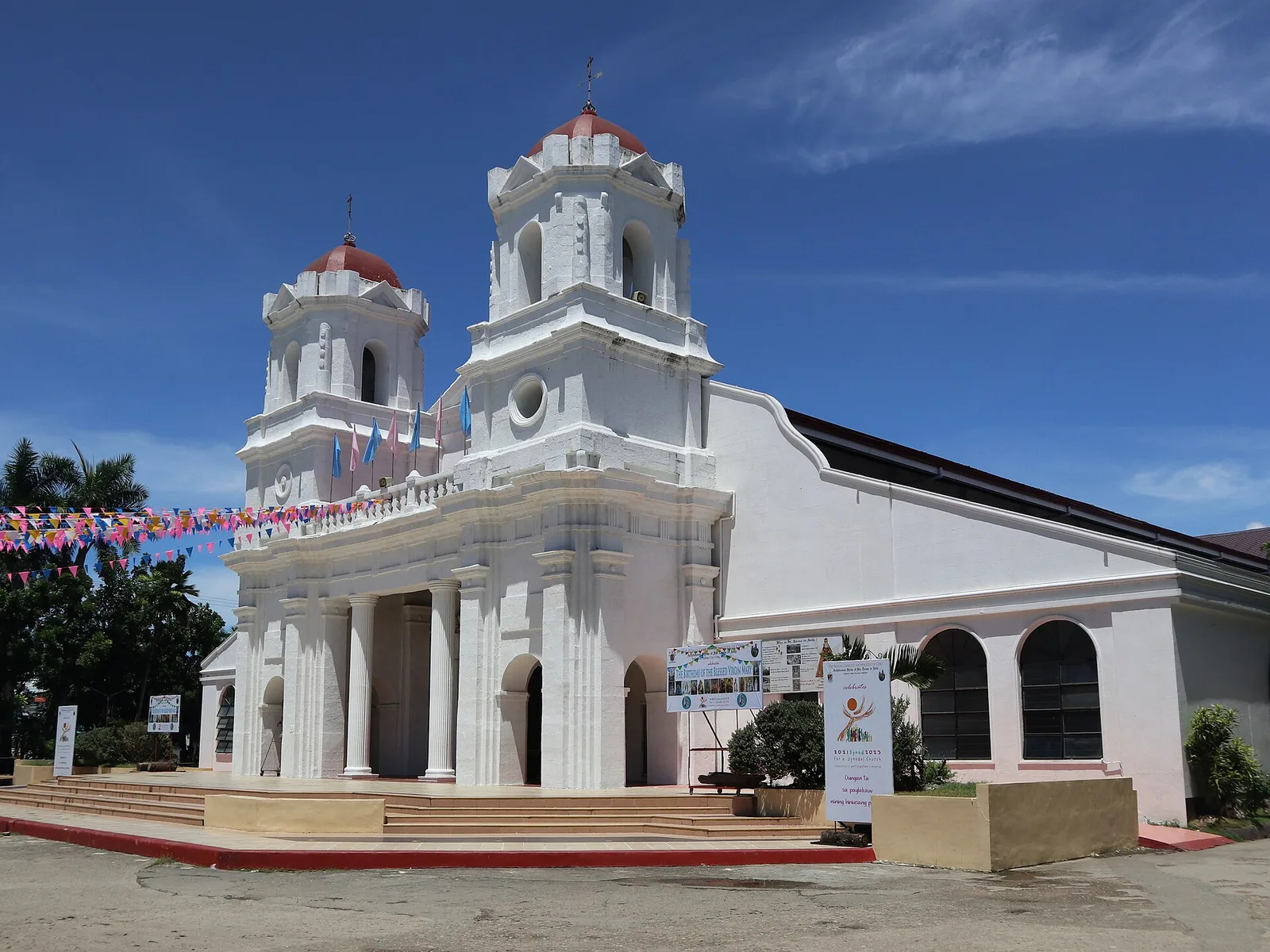
The town church, built from 1836 to 1848 in a classical Graeco-Roman style. Two bell towers stand on its facade, joined by a porch on two columns. The walls are coral stone. Inside are five gilded altars and a large …
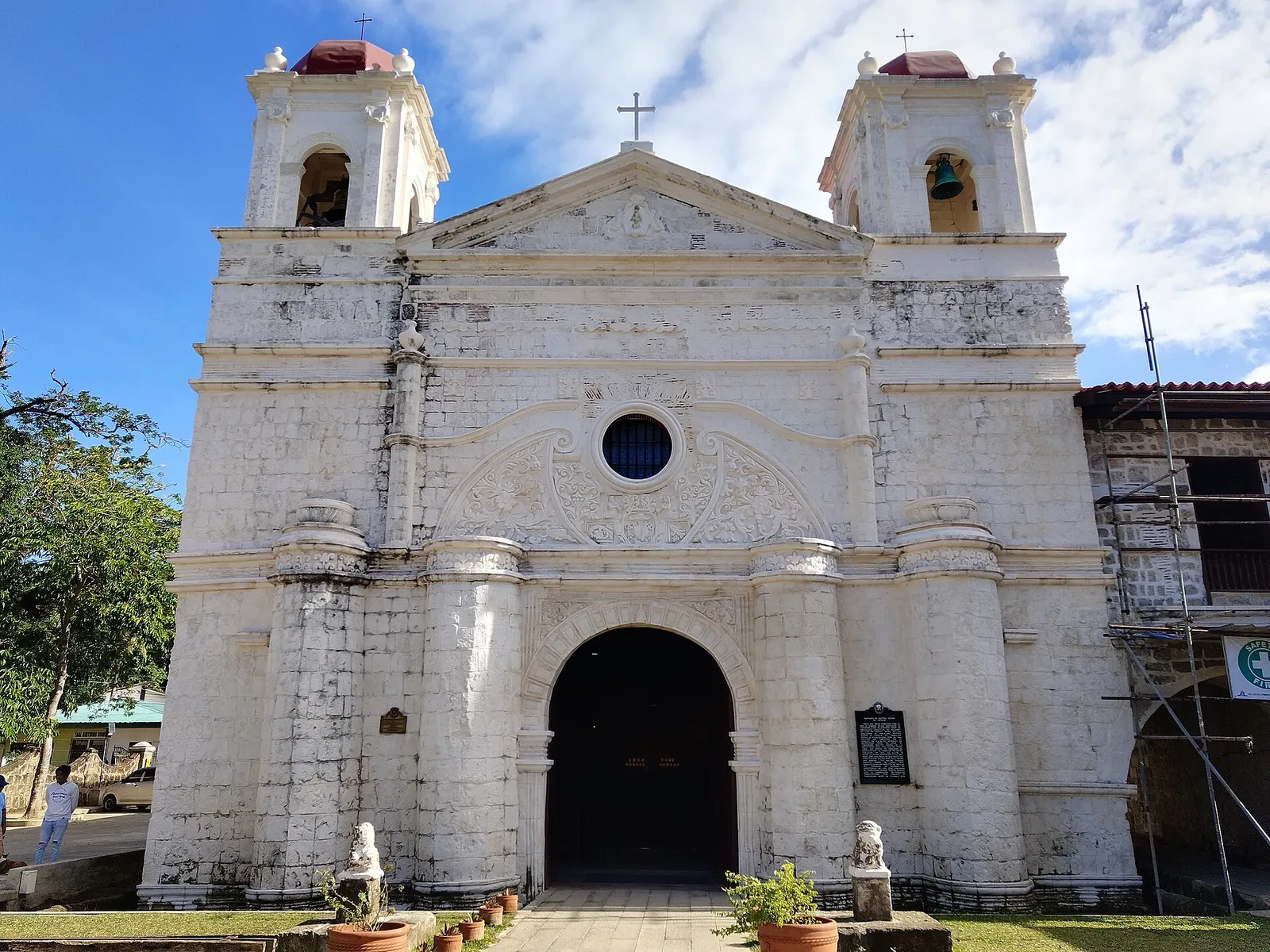
A small shrine down by the river, reached through the Santa Lucia wells. The chapel is hewn from coral and was built in 1639, in place of a temporary structure of 1611. It holds the image of Our Lady of …
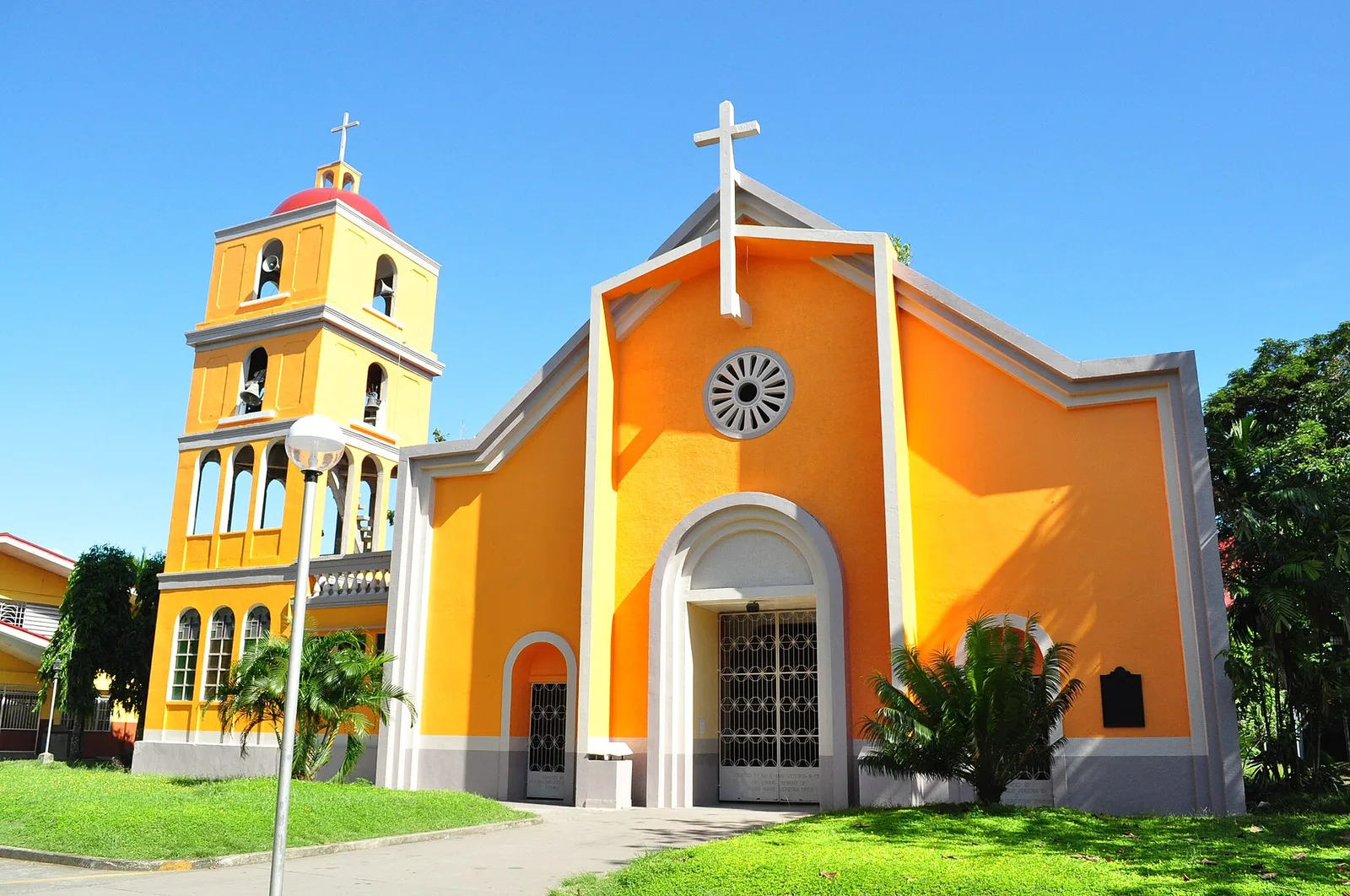
A parish church first built in 1704 and named for the Assumption of Our Lady. In 1860 it was enlarged with a transept and ringed with a wall and watchtowers, as a defence against pirates. It came through the tidal …
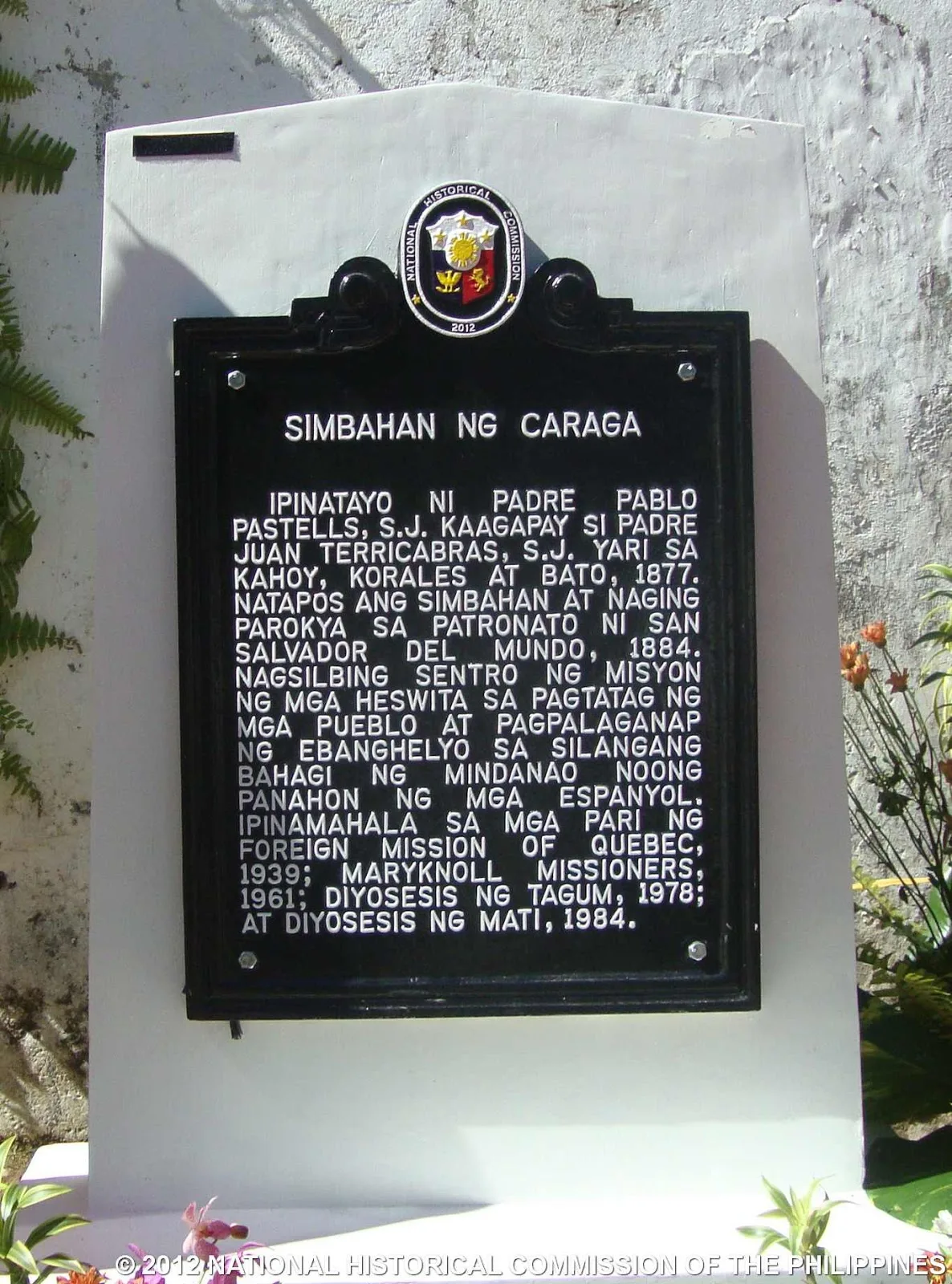
A stone and wooden church built in the Spanish period to serve as the mission station for the eastern side of Mindanao. The Jesuits took the parish over from the Augustinian Recollects in 1871 and began the building in 1877. …
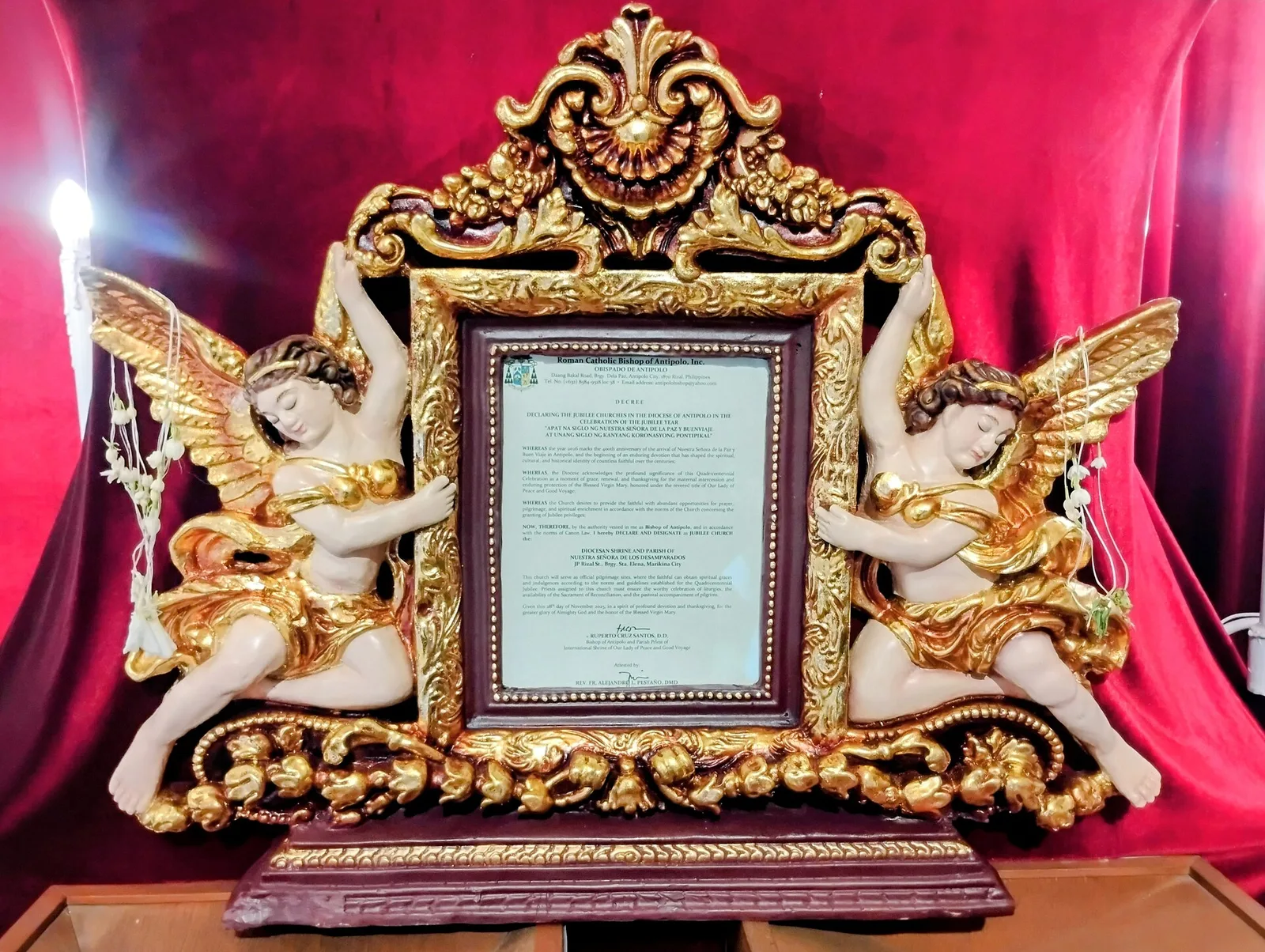
A diocesan shrine to Nuestra Señora de los Desamparados, Our Lady of the Abandoned, and the oldest church in the Marikina Valley, built in 1572. Its image of the Madonna and Child is venerated as miraculous and has a pontifical …
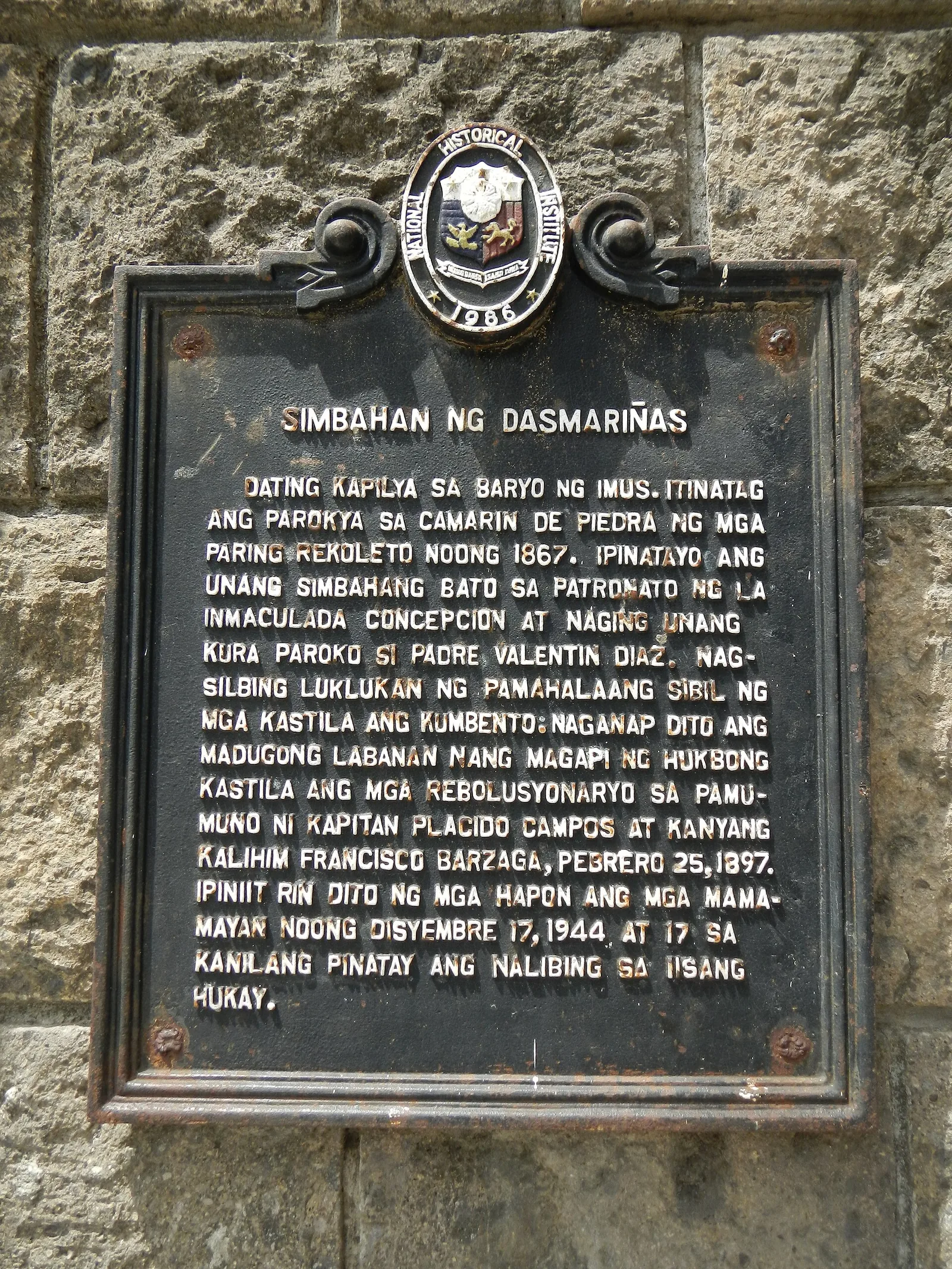
The first parish church of the city, built in stone soon after Dasmariñas became a separate parish in 1866. The church and its convent saw bloodshed during the Battle of Perez Dasmariñas, in the revolution against Spain. Queen Isabella II …
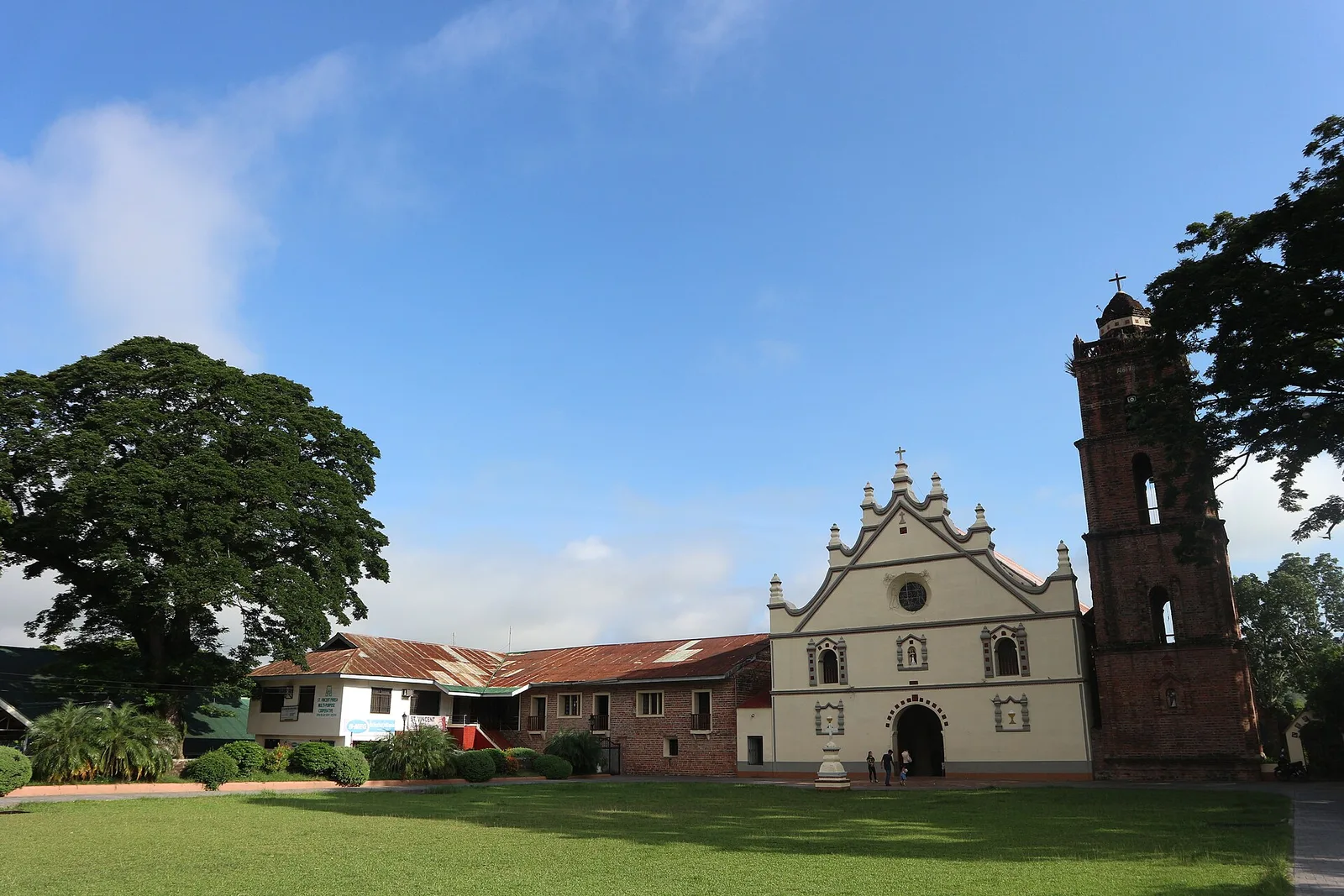
An 18th-century Baroque church in Barangay Dopaj, and a National Cultural Treasure since July 2001. The National Museum listed the whole complex, not the church alone. Saint Vincent Ferrer is the patron, and people here call it Dupax Church. Father …
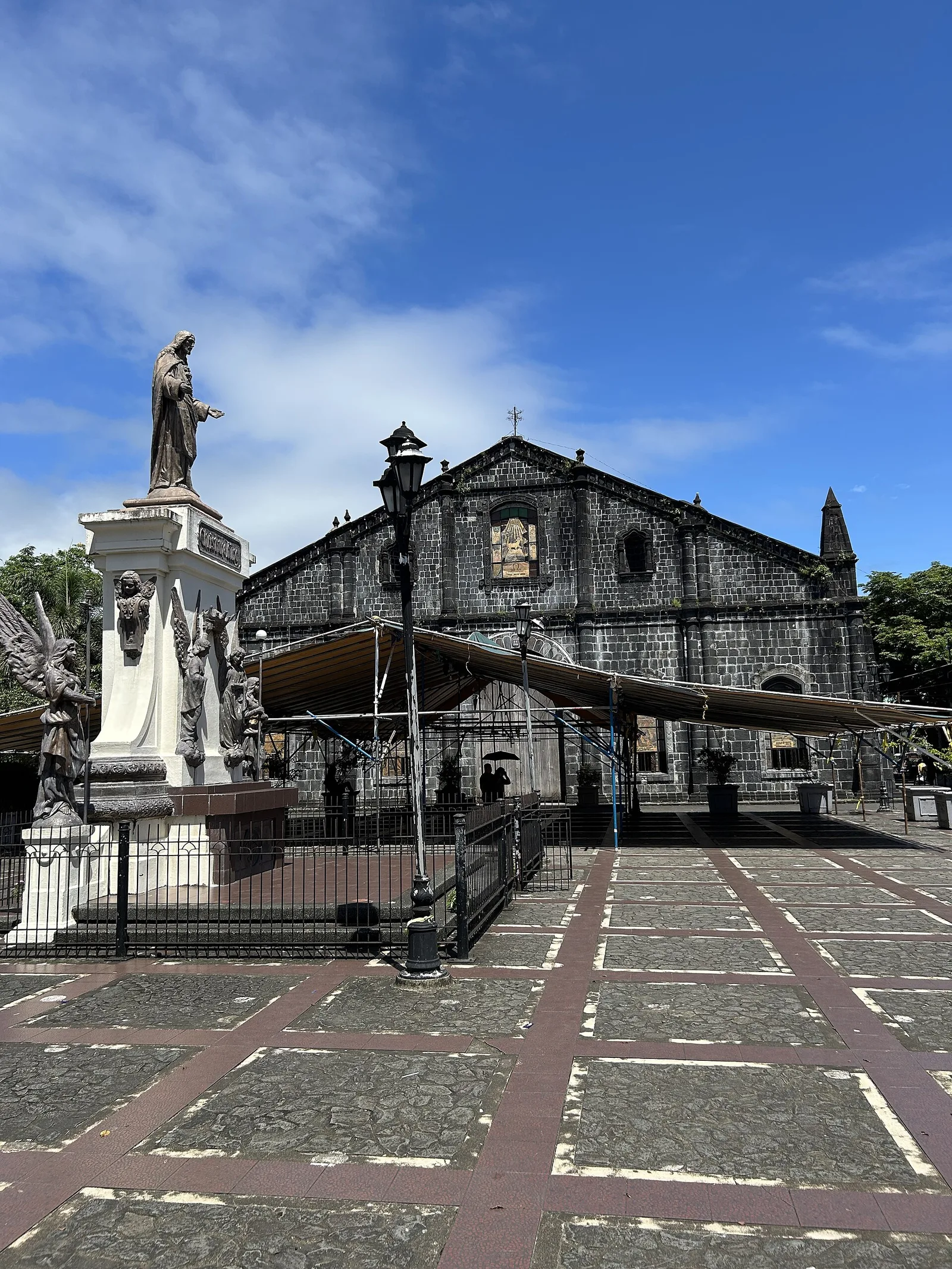
The city's parish church, and a National Historic Landmark since August 1, 1973 under Presidential Decree 260. Work on the present building started in 1750. The Franciscans founded the parish under Saint John the Baptist, and it became independent in …
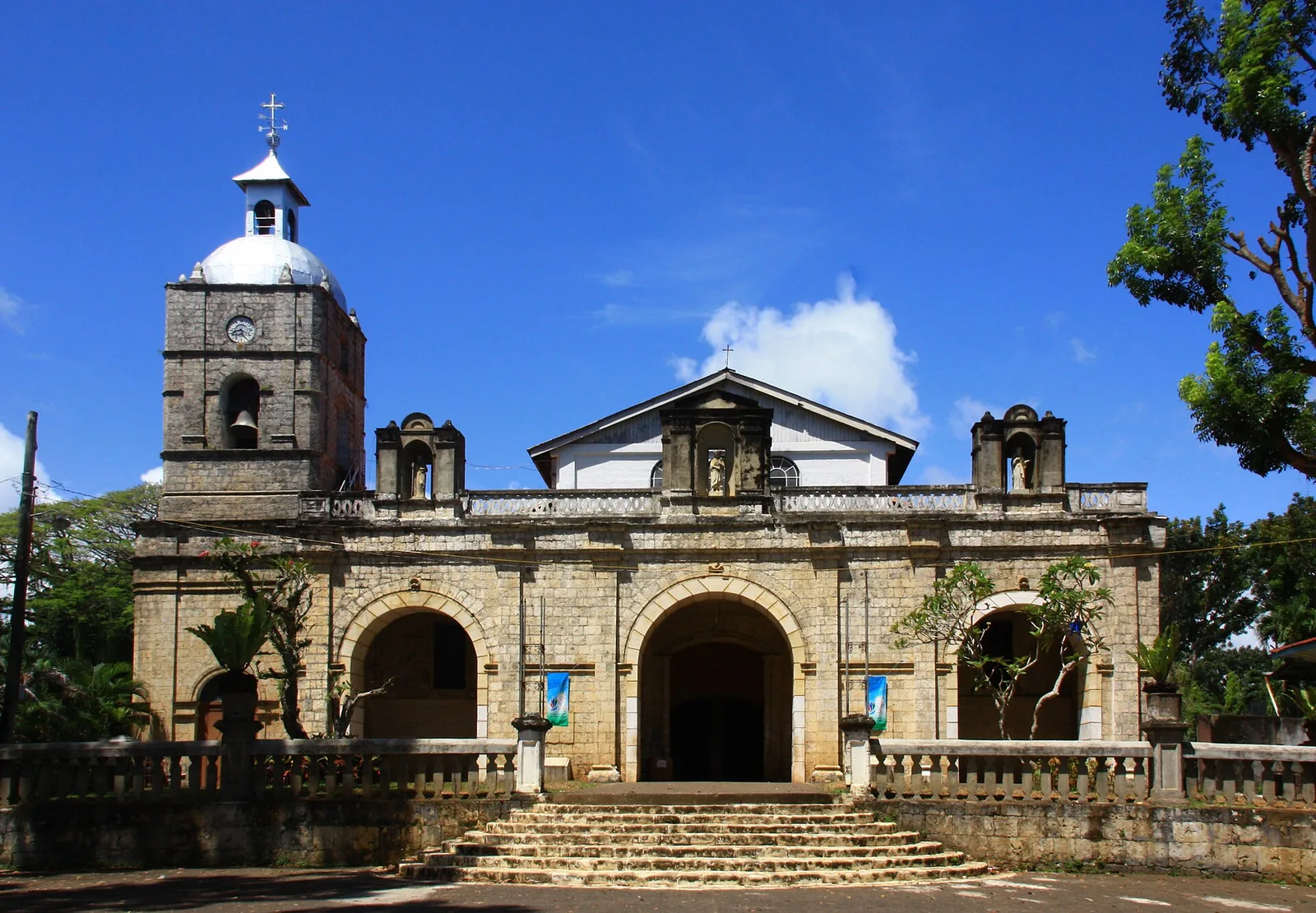
A Baroque church of the late 19th century, declared a National Cultural Treasure in 2001. It stands at Barangay Nacional and serves the parish of Saint John the Baptist, under the Archdiocese of Ozamis. The town around it is one …
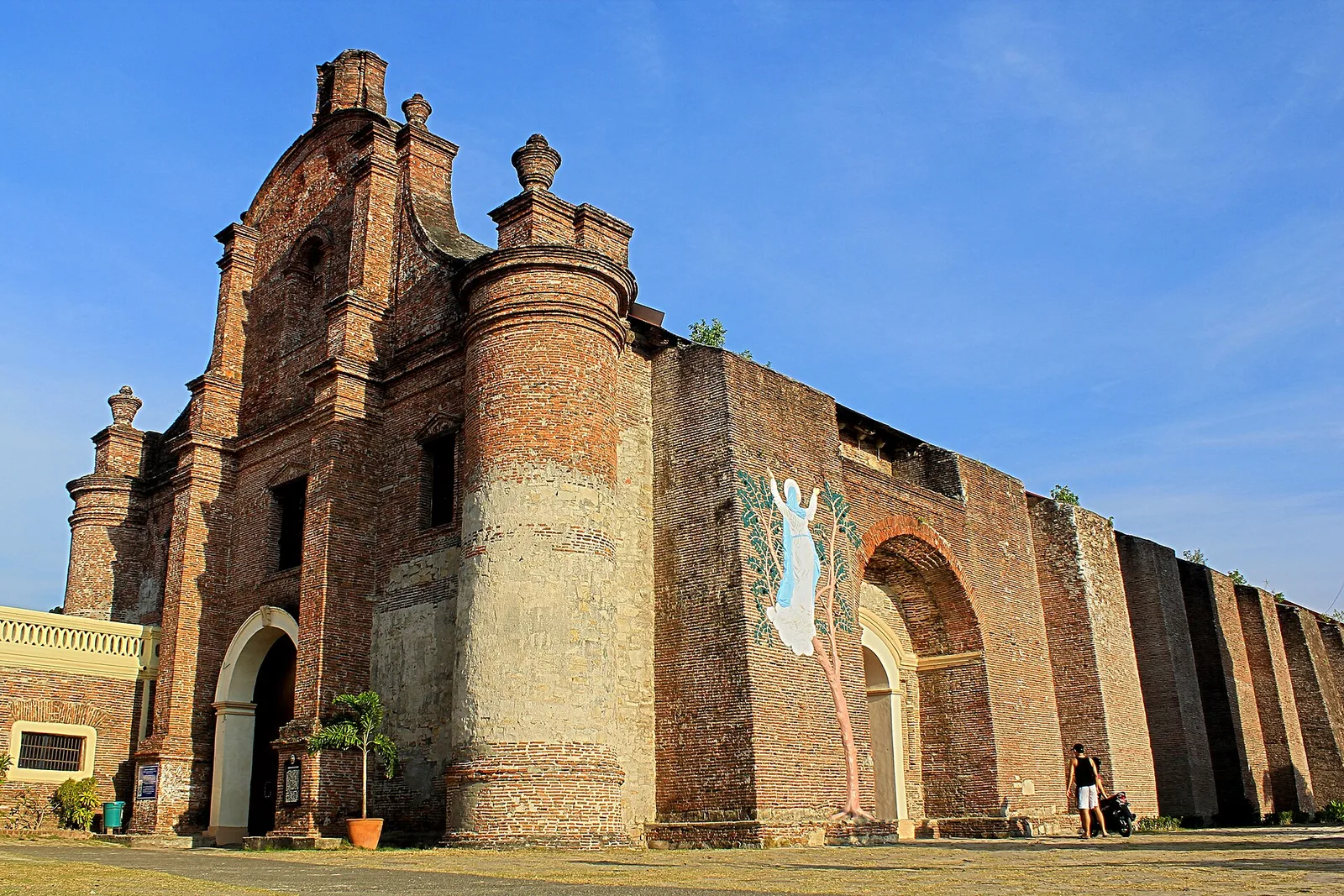
A brick church on a hill above the town, listed by UNESCO on December 11, 1993 as one of the four Baroque Churches of the Philippines. It was built to work as a fort as well as a church, and …
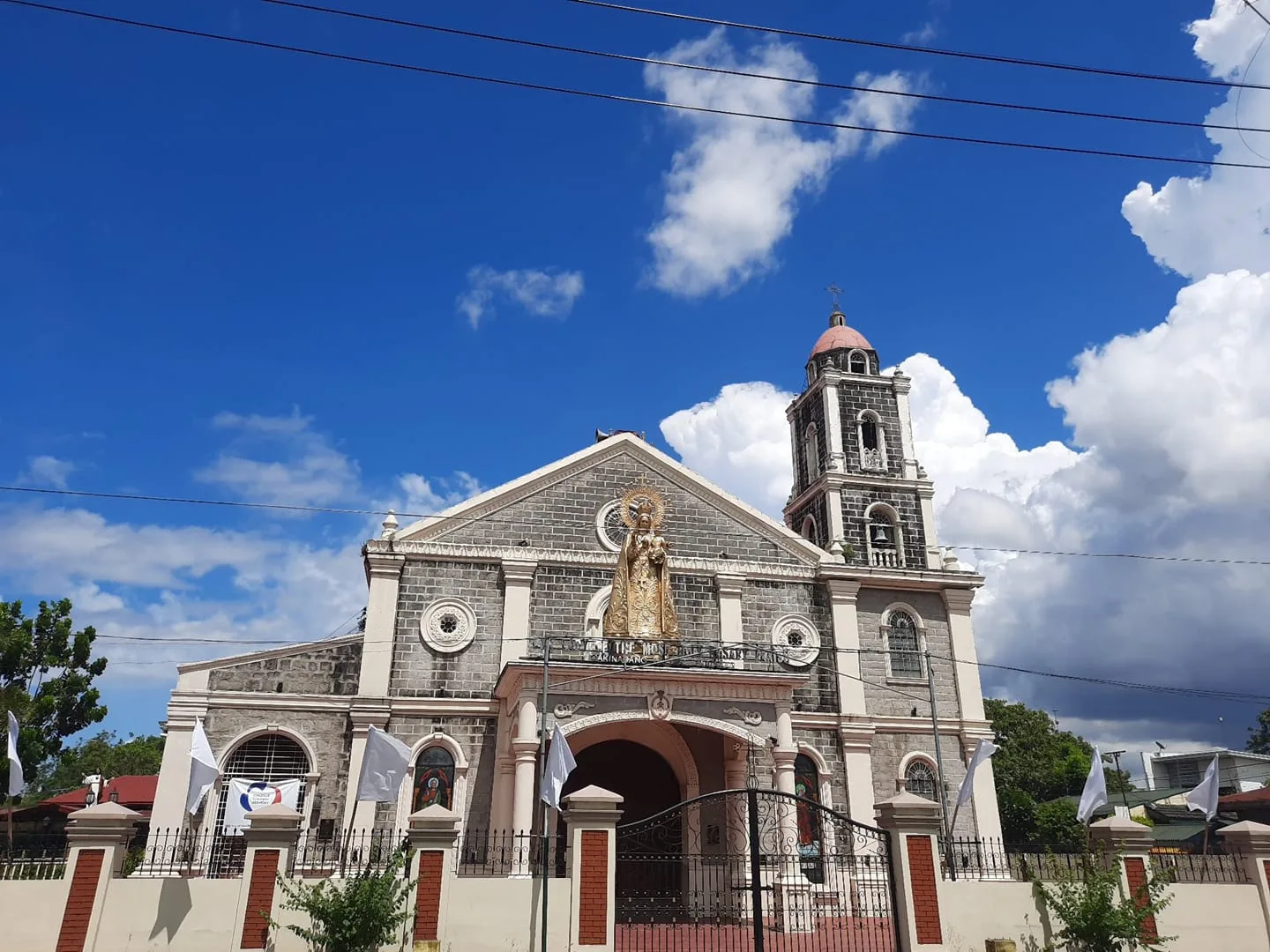
A Marian parish church in Barangay Makinabang, known locally as Bisitang Pula. Its feast day is 7 October, and the procession that goes with it is one of the largest in the city.
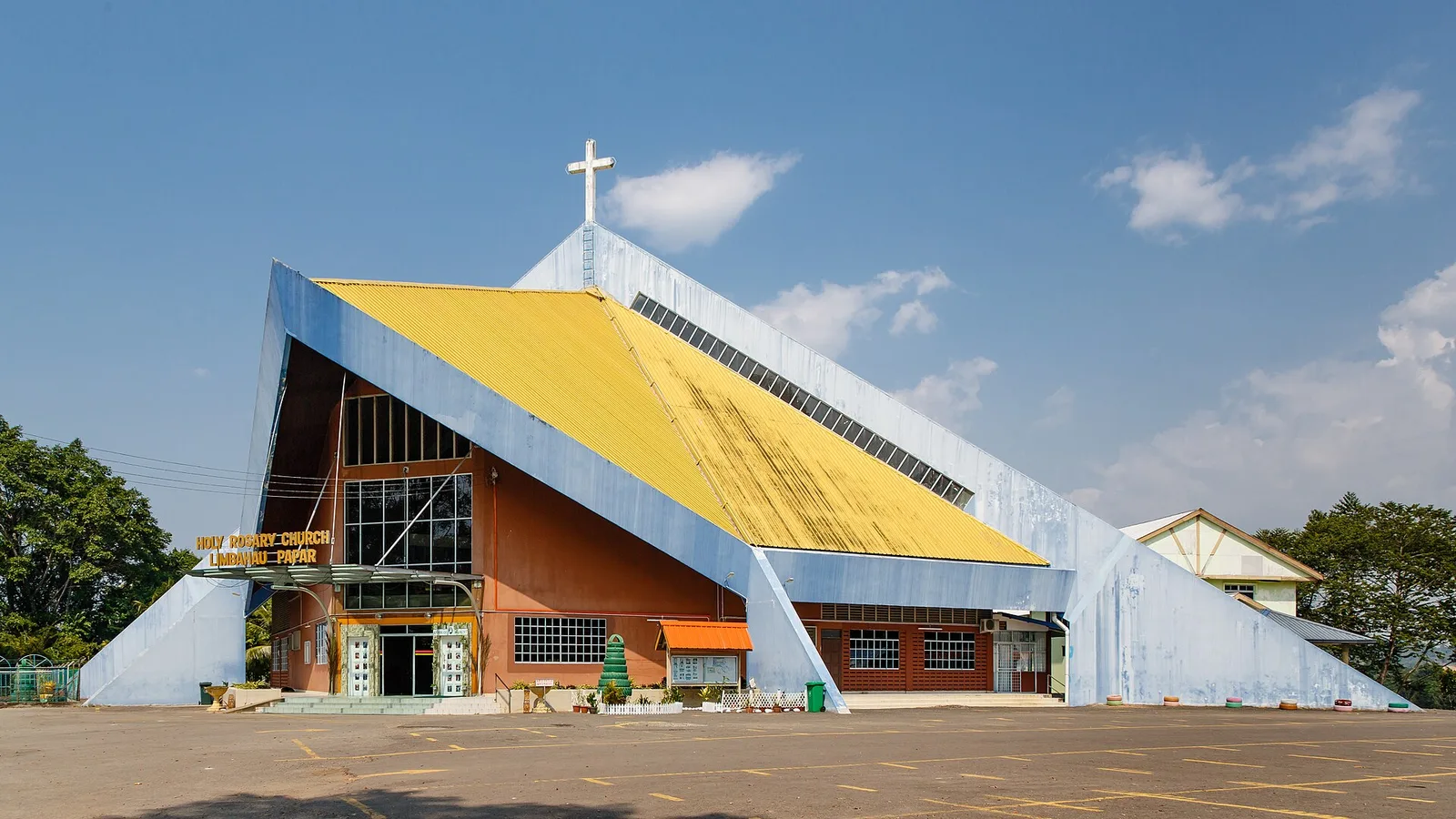
A Catholic church known in Kapampangan as Pisamban Maragul, the big church. Men built it with unpaid labour under the polo y servicio system from 1877 to 1896, the dome went up in 1891, and the work was finished in …
An old Catholic church on La Paz Street in the middle of the city, built in 1876 in the Spanish period. It is one of the very few churches in the region with a Romanesque design. It is built of …
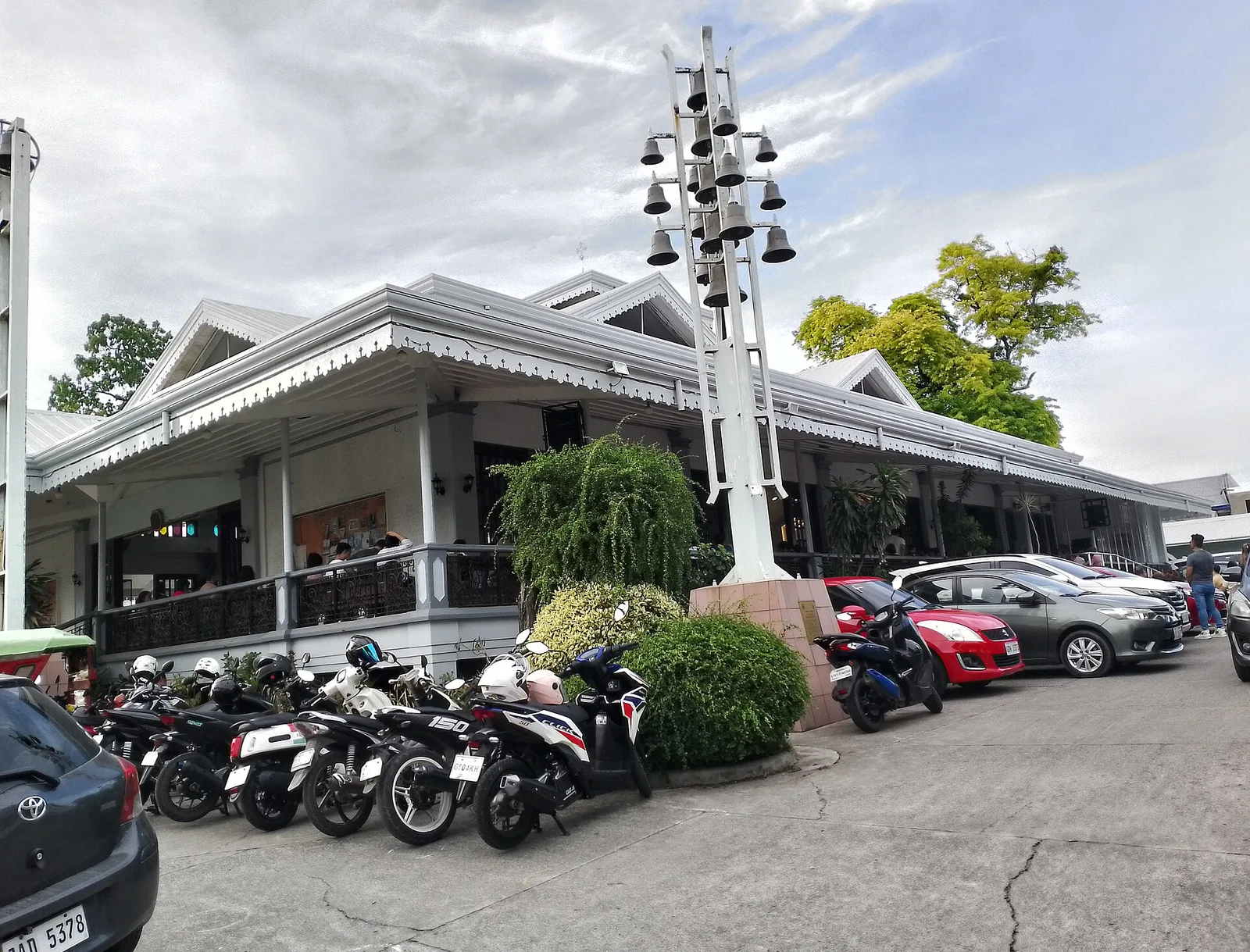
A Catholic parish church at the centre of the city, and the National Shrine of Saint Joseph. It belongs to the Archdiocese of Cebu, and its parish covers the barangays of Guizo, Centro, Looc, Cambaro and Mantuyong.
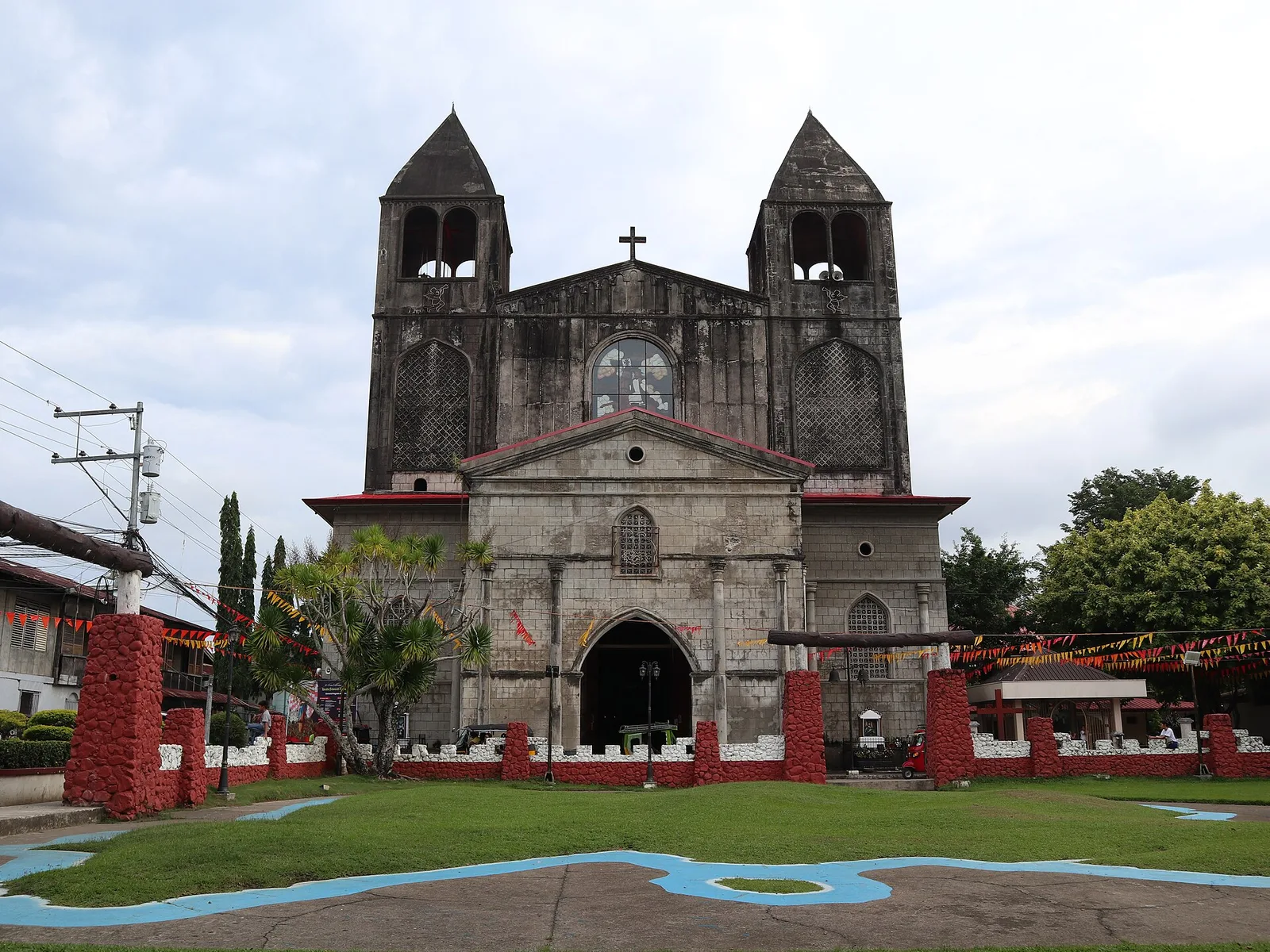
The town church, built in 1871 for Saint James the Greater, the patron saint of Dapitan. The interior walls are about one metre thick and still original, although the altar and the interior have been renovated several times. Inside is …
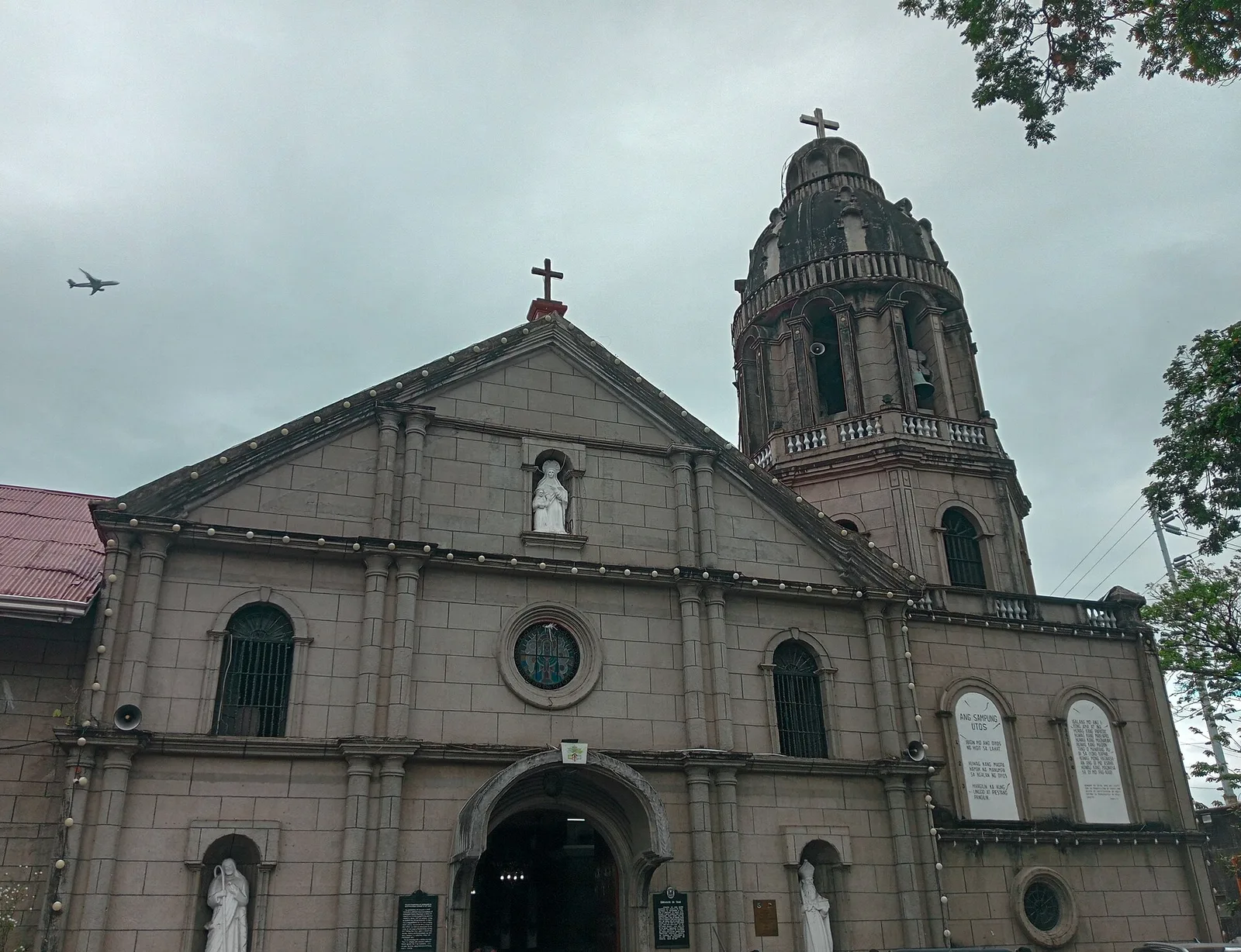
A minor basilica dedicated to Saint Anne, beside the Taguig River in Barangay Santa Ana, the old town of the city. It faces Plaza Quezon, where a statue of Manuel L. Quezon was raised while he was president.
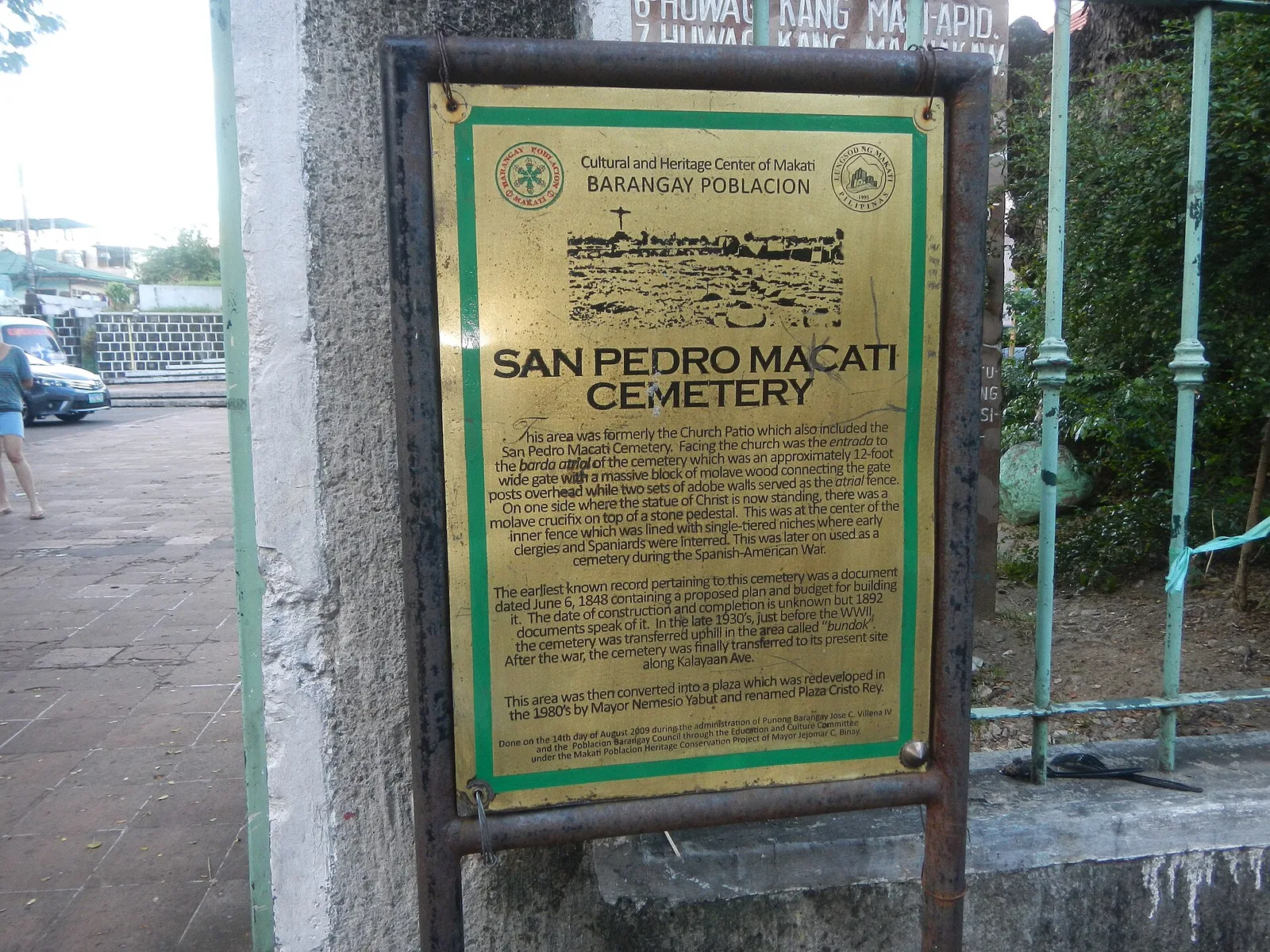
The mother church of Makati, dedicated to Saints Peter and Paul and standing in Poblacion, the old heritage barangay. In front of the facade is Plaza Cristo Rey, which used to be the San Pedro de Macati cemetery. The National …